








TSUOS Enhances Energy Monitoring for Sustainable Development
Tashkent State University of Oriental Studies continues to enhance its sustainability initiatives in alignment with SDG 7: Affordable and Clean Energy. The university is actively monitoring solar energy production, fuel consumption, and CO₂ emissions to ensure a more sustainable future.
Solar Energy Production and Environmental Impact
Since January 2025, TSUOS has implemented real-time tracking of solar power generation and CO₂ reductions using SolisCloud, SolarmanSmart, and LivolTek applications. In 2024, TSUOS’s solar panels generated 716,000 kWh of renewable energy, significantly contributing to the university’s clean energy transition.
According to the latest monitoring data:
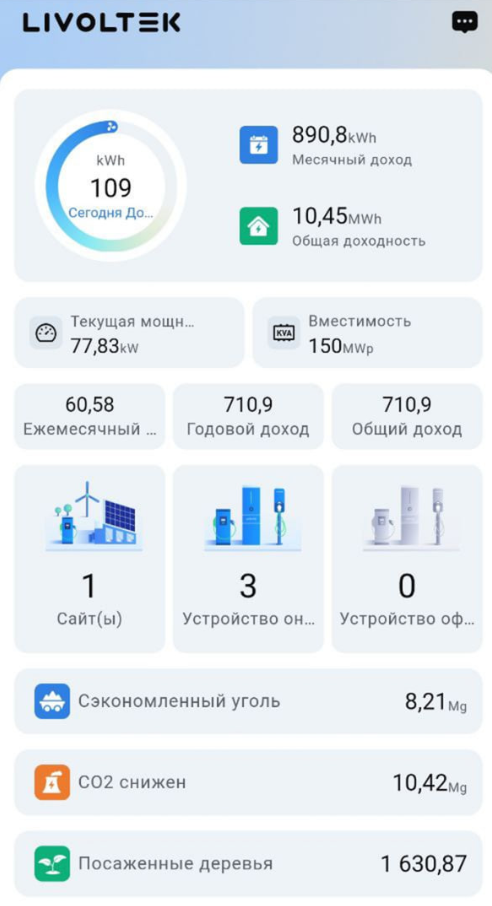
- Total solar energy generated: 10.45 MWh
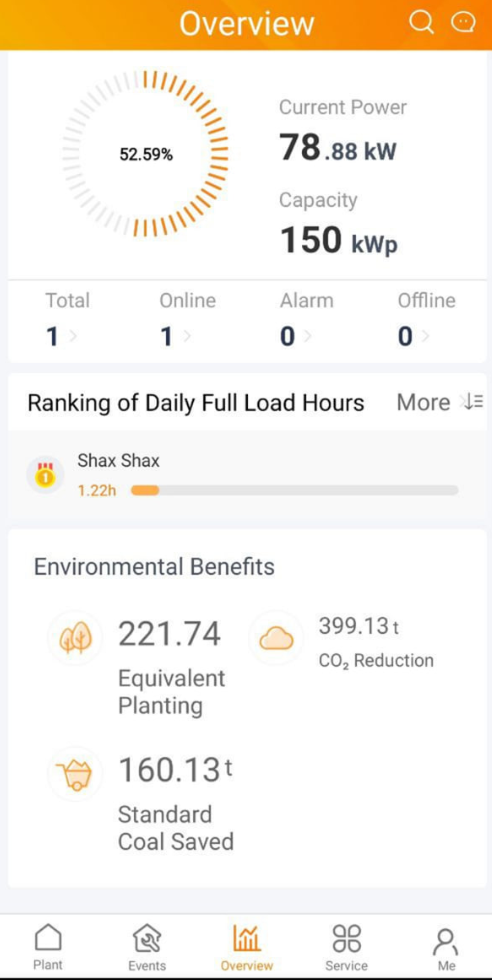
- Current power output: 78.88 kW (with a capacity of 150 kWp)
- CO₂ reduction: 399.13 t CO₂
- Coal savings: 160.13 t
- Equivalent trees planted: 1,630.87
Fuel Consumption and CO₂ Emissions
TSUOS has also assessed its direct fuel consumption (Scope 1) and indirect energy usage (Scope 2):
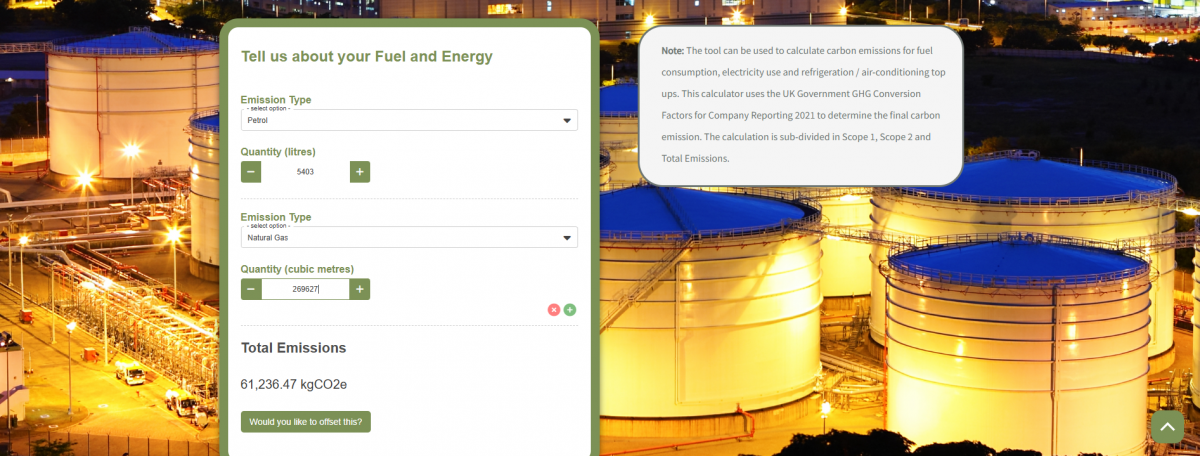
- Gasoline consumption in 2024 (for university-owned vehicles): 5,403 liters
- Natural gas usage in 2024 (for heating and culinary purposes): 269 627 m³
- Total CO₂ emissions in 2024 (based on the Blocicarbon tool – https://blocicarbon.com/fuel-energy-calculator/): 61.24 tCO₂e
Commitment to Sustainability. By continuously tracking and optimizing energy consumption, TSUOS reinforces its commitment to reducing its carbon footprint, improving energy efficiency, and promoting green campus initiatives.
Social networks:
