







17.2.3. INTERNATIONAL COLLABORATION DATA GATHERING FOR SDG
17.2.3. INTERNATIONAL COLLABORATION DATA GATHERING FOR SDG
Tashkent State University of Oriental Studies (TSUOS) actively participates in international collaborations on gathering, analysing and sharing data related to the Sustainable Development Goals (SDGs). The university recognises that reliable and comparable data are essential for measuring progress toward the SDGs, identifying local challenges, and supporting evidence-based policy at national and regional levels.
Through a series of Memorandums of Understanding (MoUs) signed with international universities, research centres and organizations, TSUOS engages in joint activities that strengthen global and regional data cooperation.
Scope of Cooperation
Each MoU signed by TSUOS includes a section on knowledge sharing and data collaboration, which provides for:
- Research collaboration in areas of mutual interest related to sustainable development, such as education quality, gender equality, youth employment, climate literacy, and cultural heritage preservation;
- The organization of joint academic and scientific activities, including courses, conferences, seminars, symposia, lectures, and data analysis workshops dedicated to the SDGs;
- Exchange and sharing of research data, academic materials, publications, and methodological references, in order to harmonize indicators and improve data quality across partner institutions.
These cooperative efforts are designed to enhance the scientific capacity of TSUOS and its partners in data-driven decision-making and policy evaluation related to the SDGs.
International Partnerships and Agreements
According to the Department of International Cooperation, TSUOS has signed 169 cooperation documents, including Memorandums of Understanding (MoUs) and partnership agreements with higher education institutions, research organizations, and public agencies from 26 different countries around the world, such as:
- University of Pisa (Italy), Leiden University (the Netherlands), Eötvös Loránd University and Károli Gáspár University of the Reformed Church in Hungary – collaboration on social science data and historical source analysis (Erasmus+ ICM framework);
- Hacettepe University, Ege University, Ankara University, Istanbul University, etc. (Türkiye) – cooperation in developing SDG monitoring indicators for education and youth engagement;
- Beijing Foreign Studies University (China) and the Confucius Institute Headquarters (China) – partnership in cultural and linguistic data sharing, and regional research exchanges;
- University of Delhi (India) and Tehran University (Iran) – research collaboration in social and economic development of Central and South Asia;
- Youth Affairs Agency of the Republic of Uzbekistan, UNDP Uzbekistan, and national statistical authorities – cooperation on national and local SDG data monitoring initiatives.
In particular, TSUOS established cooperation with the following universities in terms of exchanging knowledge and data collaboration in the academic year 2024-2025:
- Hiroshima University;
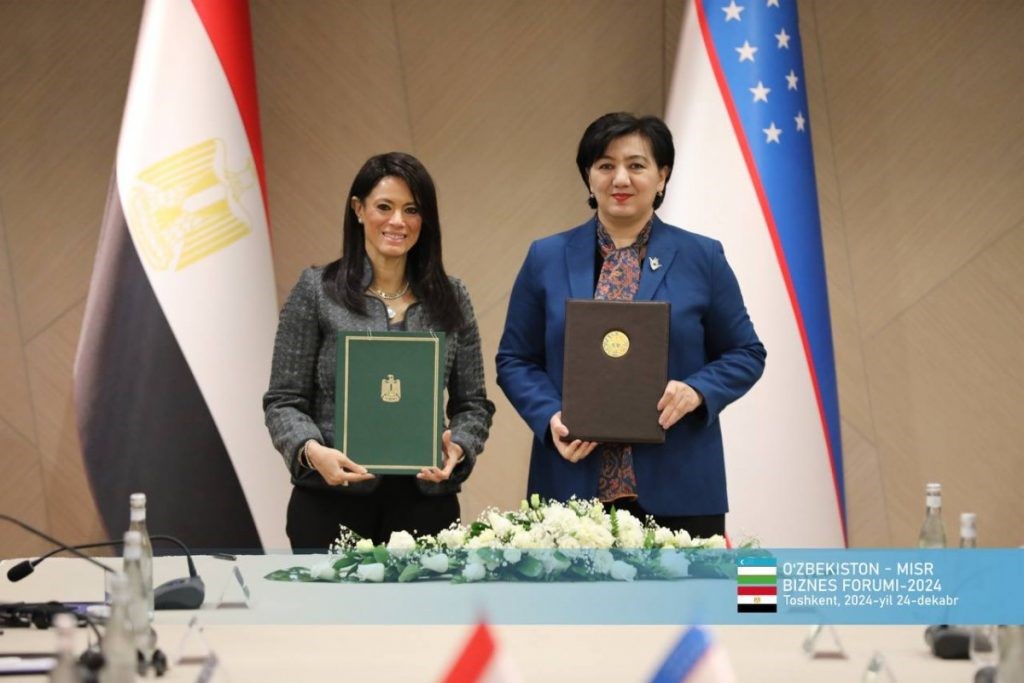
- Ain Shams University of Egypt;
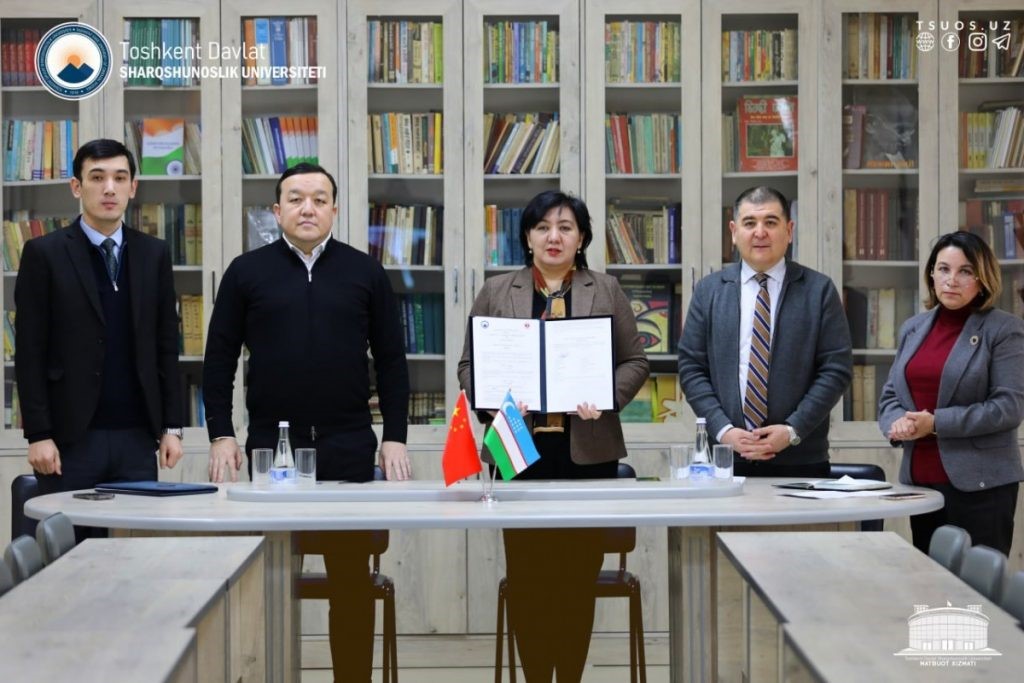
- Jiaxing University of China;
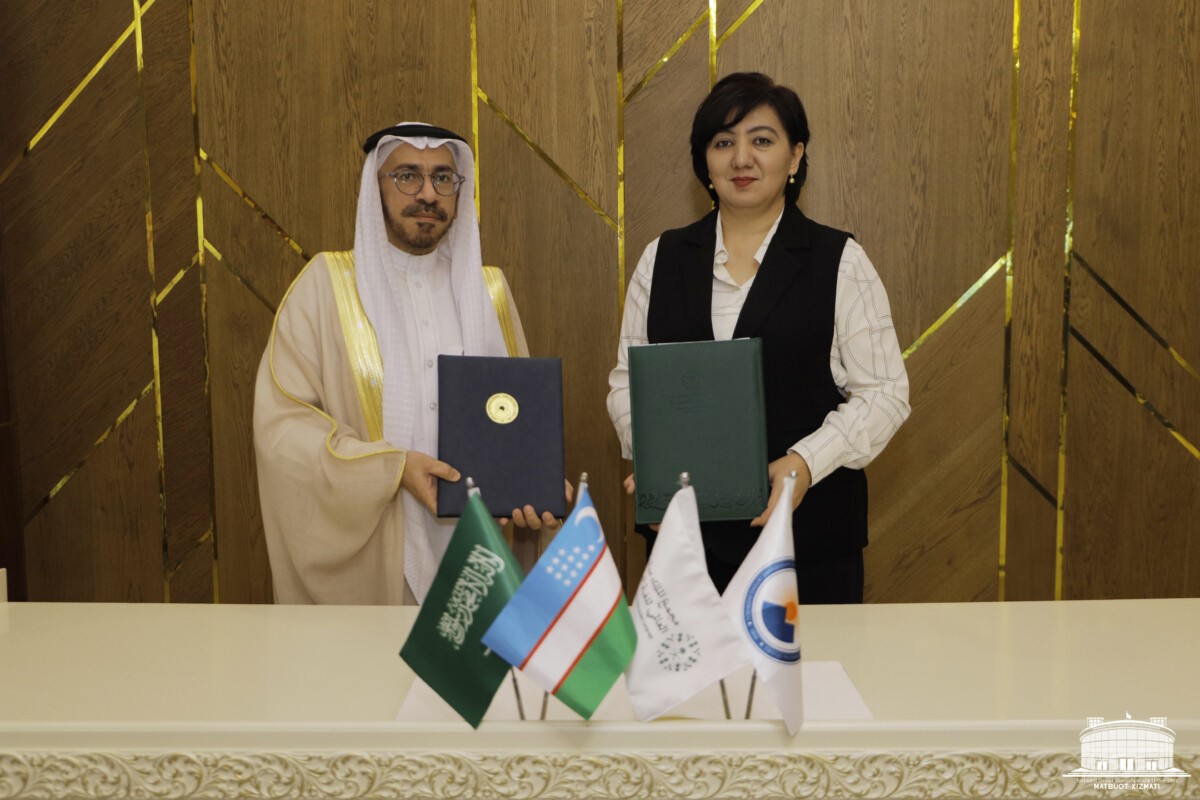
- King Salman Global Academy for Arabic – KSGAAL
- and other institutions
These partnerships enable TSUOS to contribute actively to international data platforms, to co-develop localized indicators, and to strengthen the evidence base for global and national sustainability reporting.
Examples of Joint Activities
TSUOS researchers and partner institutions have jointly participated in and contributed to:
- The “Sustainable Development: Inclusive Education and Women’s Initiatives” International Forum, which produced regional datasets and policy recommendations on SDG 5 (Gender Equality) and SDG 4 (Quality Education);
- The “Asian Women’s Forum” (in Samarkand) and the 7th International Silk Road Cultural Expo (in China), addressing data gaps in gender participation and regional cooperation;
- The “Uzbekistan–Türkiye Education Forum”, which included a technical session on youth employment and SDG 8 indicators;
- Collaborative workshops with the Youth Affairs Agency and UNDP Uzbekistan on collecting and analysing student and graduate employment data;
- The development of university-level sustainability indicators and integration of results into TSUOS’s internal data monitoring system.
Commitment to Open Data and Research Transparency
TSUOS is committed to the principles of open science and open data.
All research outputs and data generated under these collaborations are managed in accordance with international ethical and methodological standards. The university aims to publish accessible datasets, metadata and reports to support the global effort toward transparent and evidence-based SDG monitoring.
Impact
By participating in international SDG data collaboration networks, TSUOS not only contributes to the measurement and evaluation of global progress, but also strengthens its role as a regional hub for sustainability research and education. These initiatives enhance the university’s visibility in global rankings such as the THE Impact Rankings, particularly under SDG 17: Partnerships for the Goals and SDG 4, 5, 8, and 16.
Social networks:
