







Lectures on the History of Central Asia at the University of Pisa: International Recognition and New Cooperation Agreements
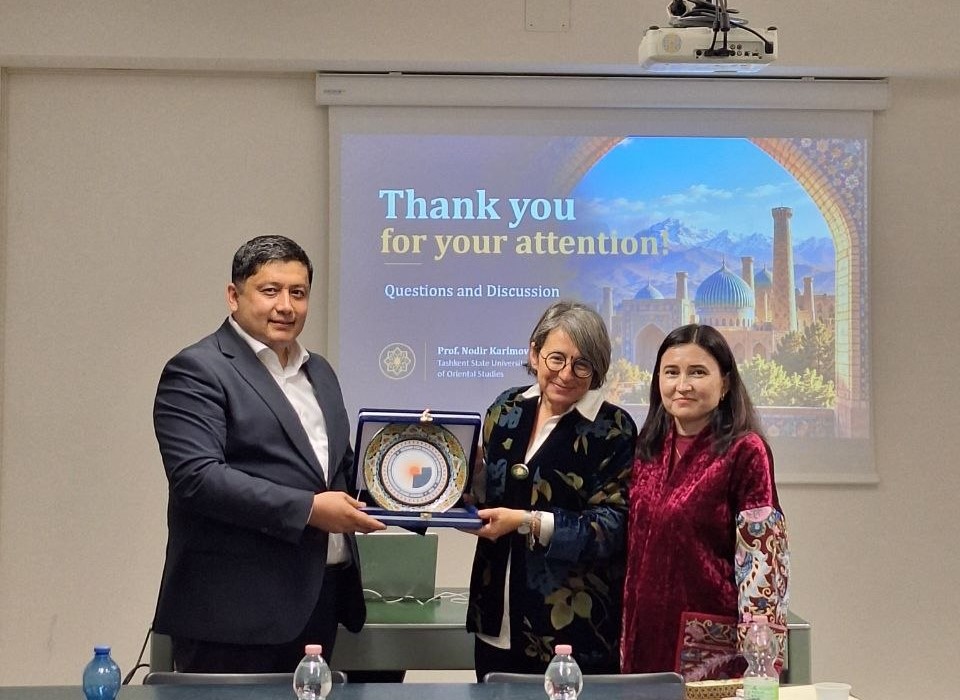
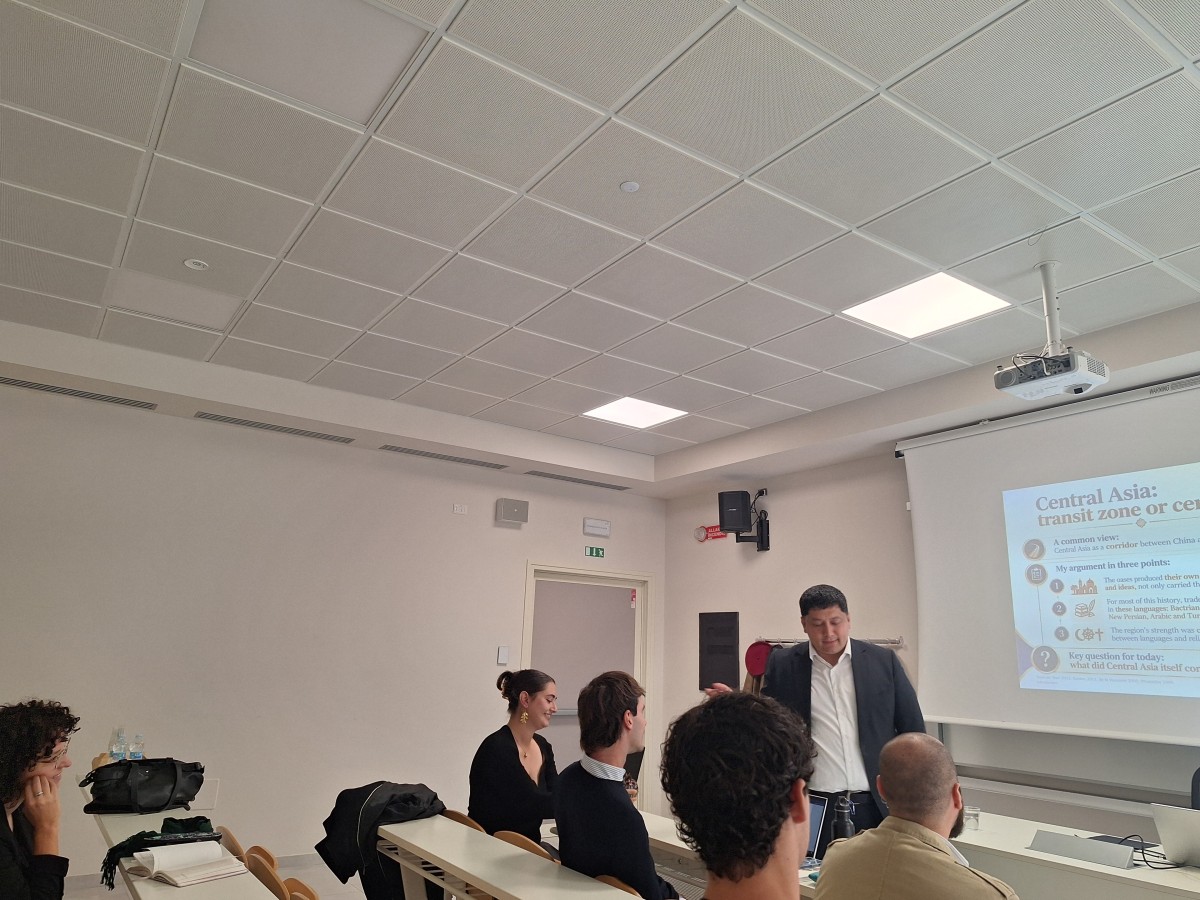
Nodir Karimov, Vice-Rector for International Cooperation at Tashkent State University of Oriental Studies (TSUOS) and Doctor of Historical Sciences (DSc), delivered a series of lectures at the prestigious University of Pisa in Italy from October 26 to 29, 2026, within the framework of the International Credit Mobility (ICM) project under the Erasmus+ programme.
The lectures, delivered at a high academic and scholarly level, made a strong impression on the faculty members and students of the University of Pisa. In particular, Italian professors and students showed great interest in topics related to Central Asia’s role in the development of world civilisation, the region’s rich historical and cultural heritage, and contemporary social processes.
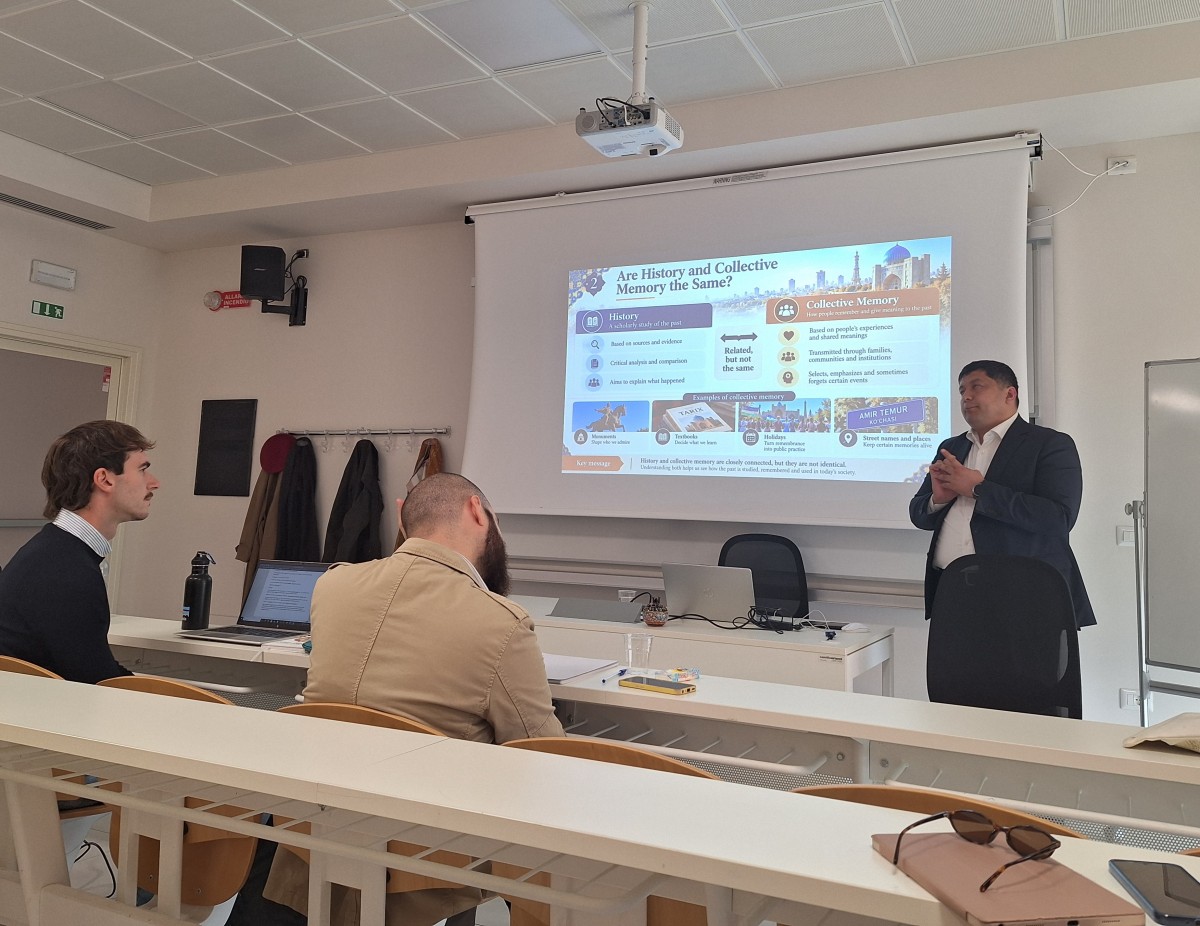
The lectures focused on three main topics:
1. “Central Asia as a Crossroads of Civilisations: The History of the Great Silk Road.” The region’s historical role in relations between East and West, the Great Silk Road, and the flourishing of science and culture during the Timurid era.
2. “Identity, Historical Memory, and the Politics of the Past in Central Asia.” The historical memory of the peoples of the region, national identity, and the significance of historical heritage in contemporary society.
3. “Rituals, Symbols, and Social Meanings in Central Asian Societies.” The ancient customs, cultural traditions, values of the peoples of the region, and their role in social life.
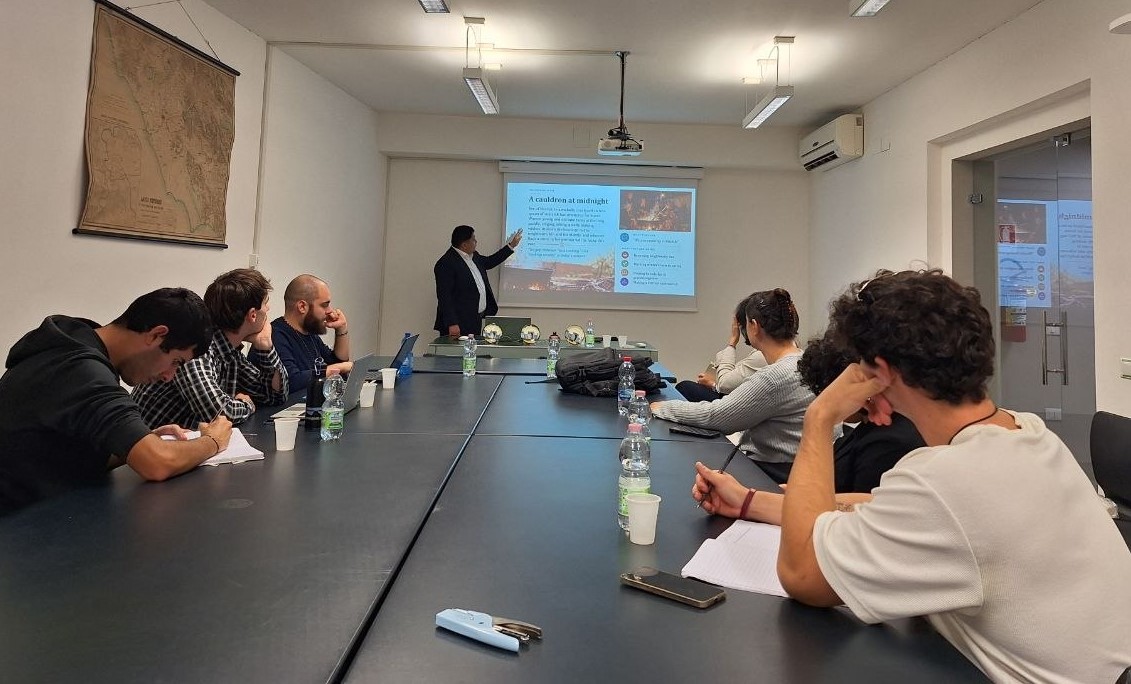
During the sessions, lively academic discussions were held with students, addressing a wide range of questions related to the history of Central Asia. Professors at the University of Pisa highly praised the content of the lectures delivered by the TSUOS representative, his academic approach, and the relevance of the topics discussed.
The most significant outcome of the visit was not limited to delivering lectures; it also resulted in concrete international agreements that bring practical benefits to TSUOS.
In particular, the following important issues were agreed upon during meetings with representatives of the University of Pisa:
Inviting at least two TSUOS faculty members to the University of Pisa in 2027 to deliver lectures. This agreement will contribute to expanding the participation of our university’s academic staff in the European academic environment.
Continuing cooperation with TSUOS within the framework of the 2027 Erasmus+ project calls. An agreement was reached on TSUOS’s continued participation as one of the University of Pisa’s most prominent academic partners in Central Asia.
Taking academic cooperation between the two universities to a new level. Discussions focused on expanding faculty exchanges, implementing joint research initiatives, and increasing mutual participation in international educational projects.
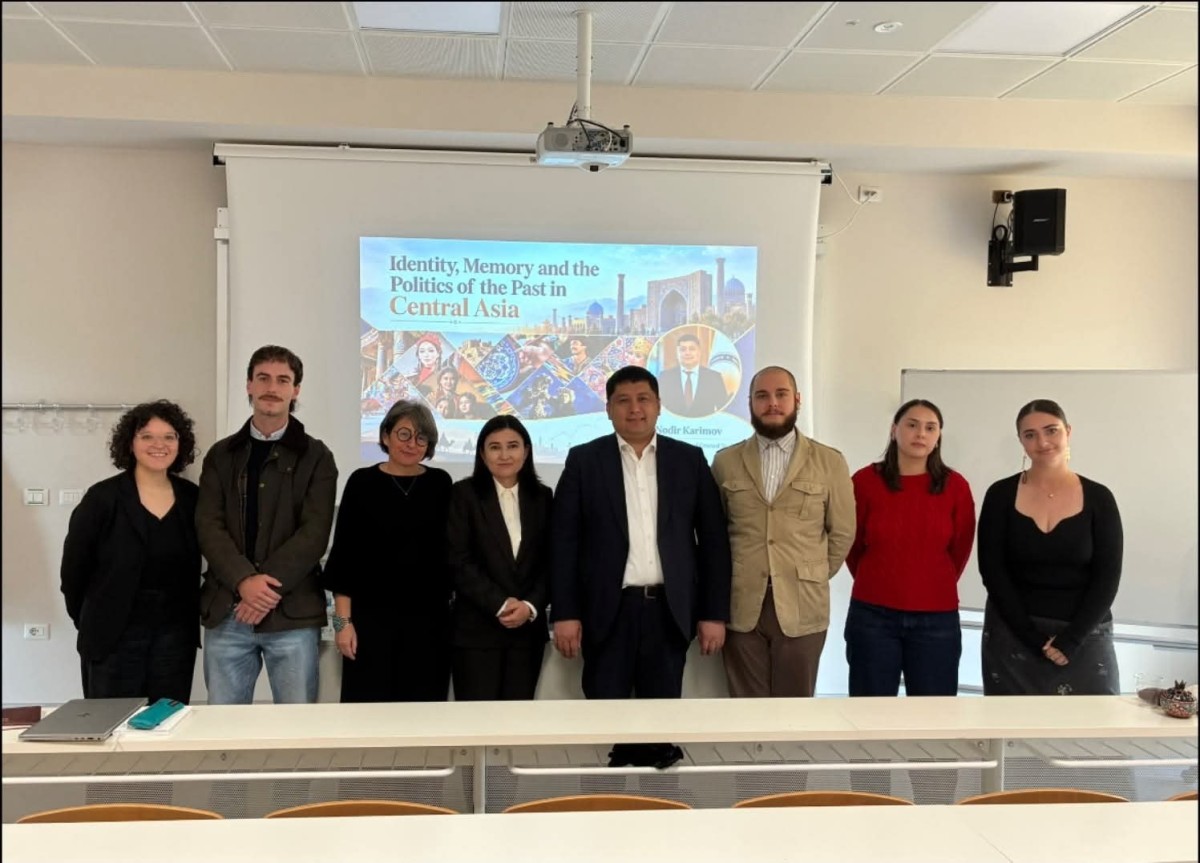
These agreements are of great importance in strengthening TSUOS’s position in the international academic arena, creating new opportunities for its academic staff, and developing cooperation with leading European higher education institutions.
Academic mobility at the University of Pisa has become another tangible achievement in TSUOS’s international cooperation activities. During the visit, the rich scientific and cultural heritage of Central Asia was widely presented to an international audience, while new academic opportunities serving the interests of our university were also opened up.
Most importantly, this visit was not merely a one-time academic exchange, but a solid foundation for launching new Erasmus+ projects, expanding faculty mobility, and continuing long-term academic and research cooperation in 2027.
Social networks:
