








The Third Regular Meeting of the TSUOS Council Was Held
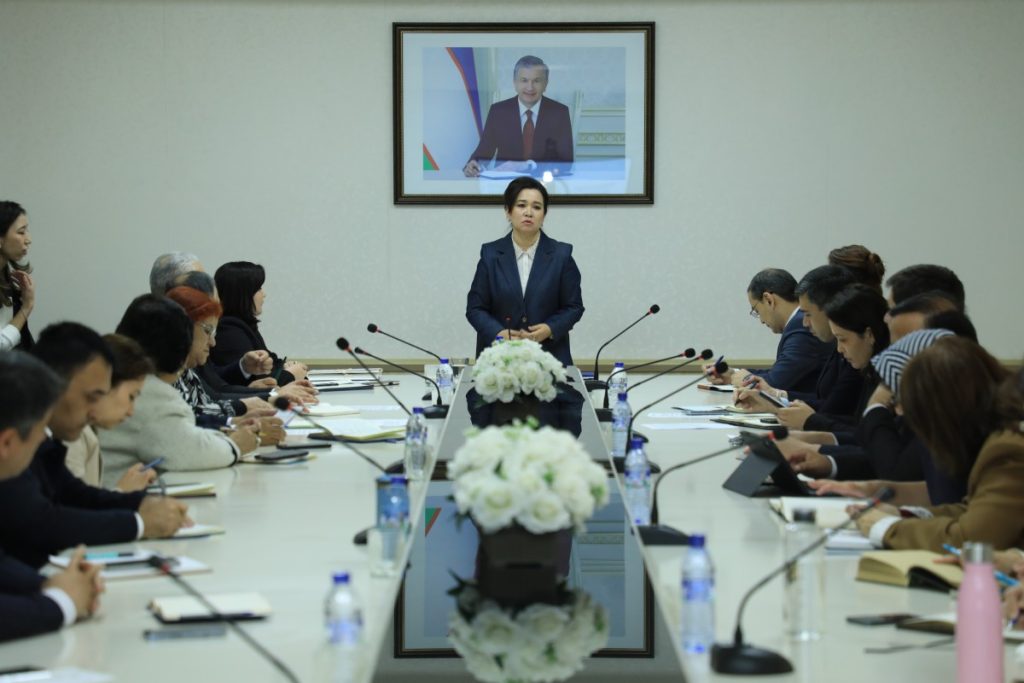
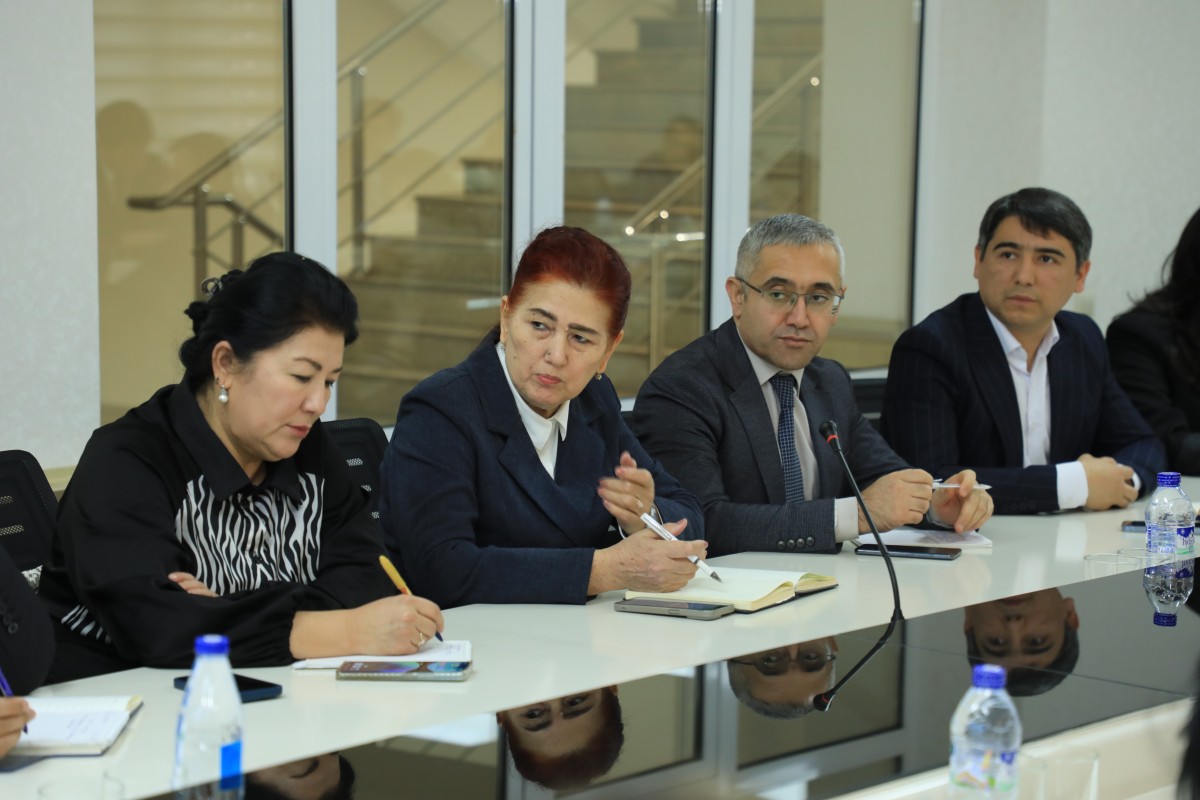
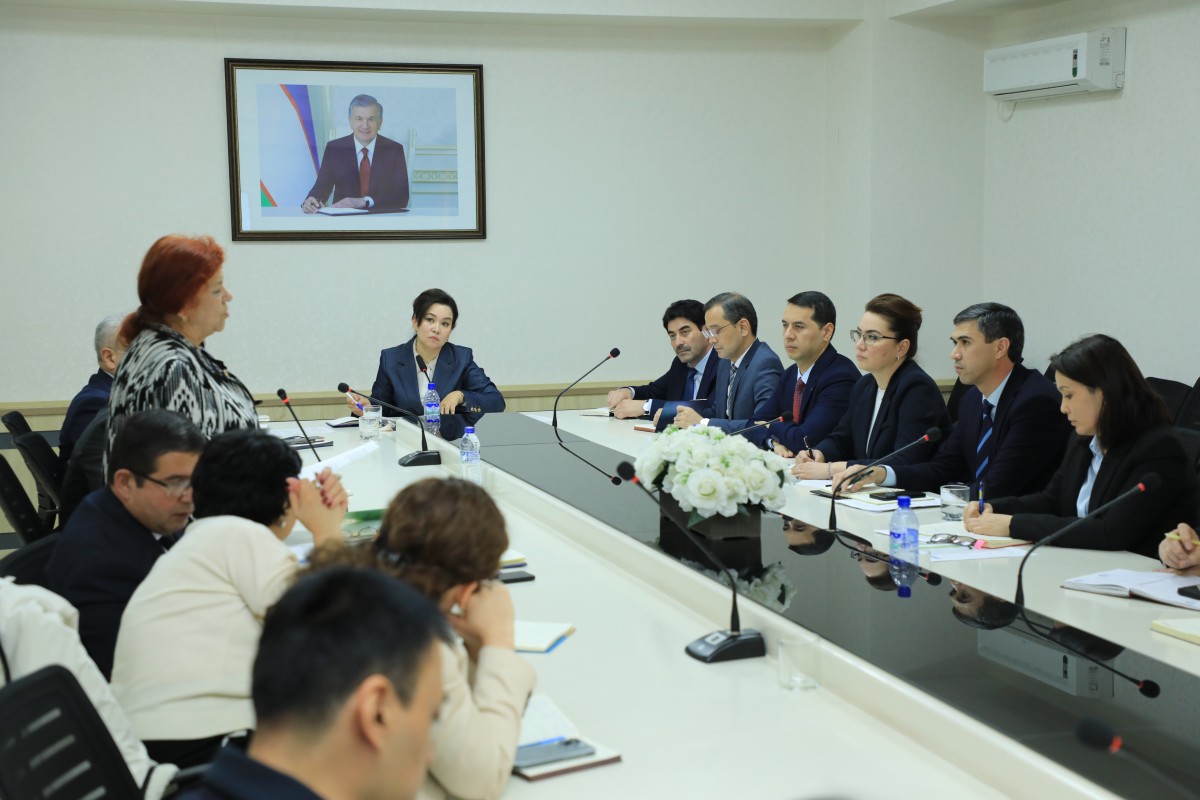
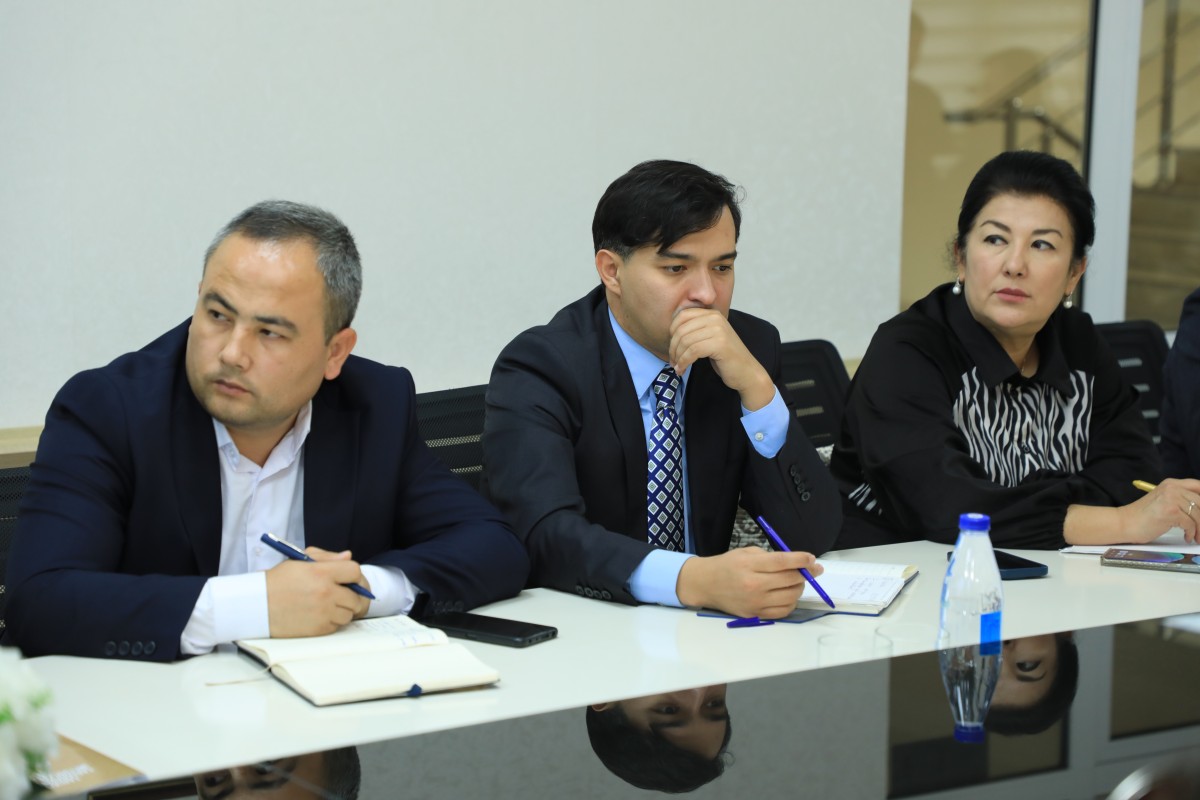
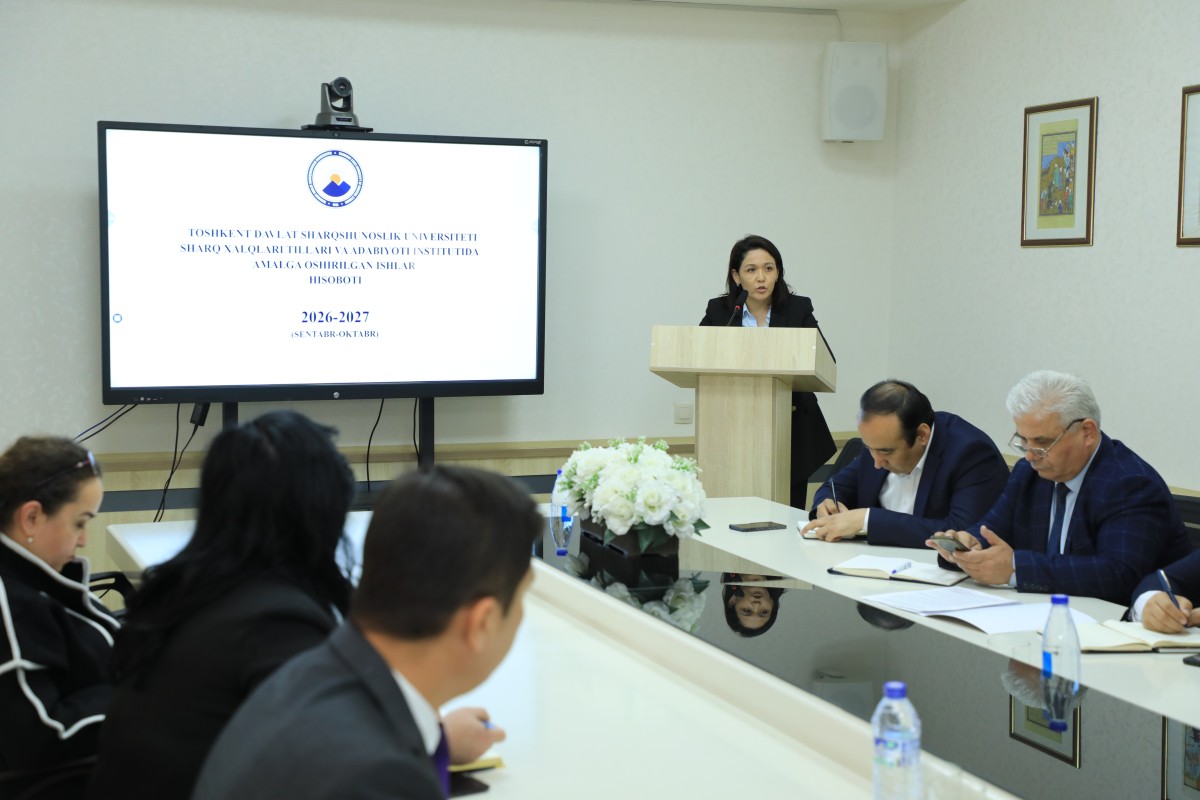
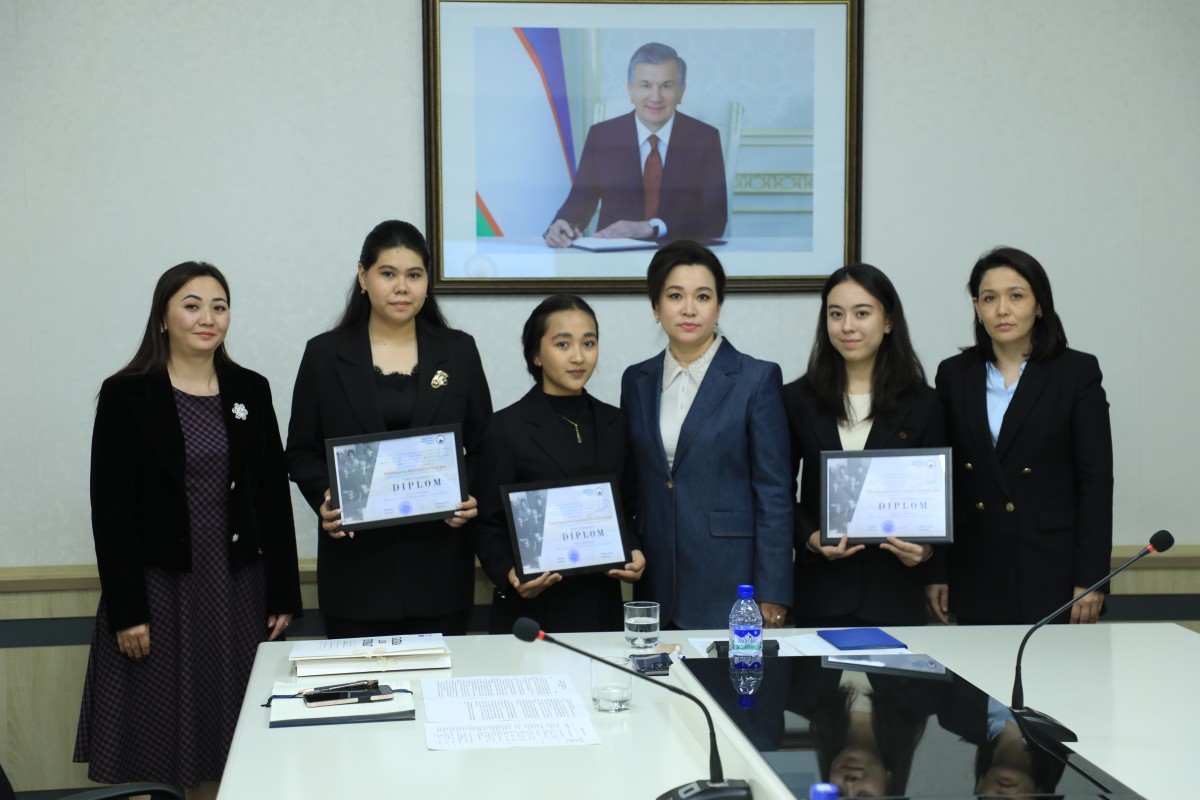
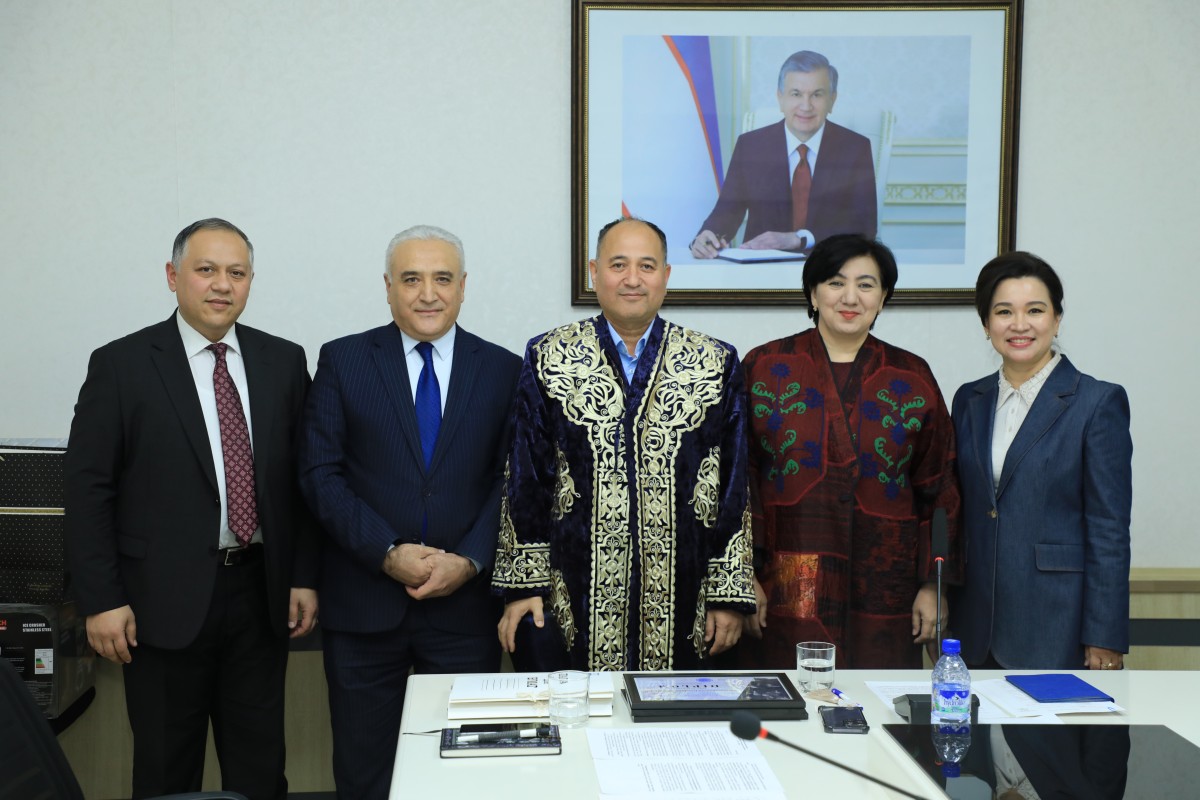
On 29 October 2026, the third meeting of the Council of Tashkent State University of Oriental Studies was held. The agenda covered key issues related to improving the quality of education, strengthening the student engagement system, enhancing the effectiveness of research and innovation activities, developing master’s and doctoral programmes, and expanding international cooperation.
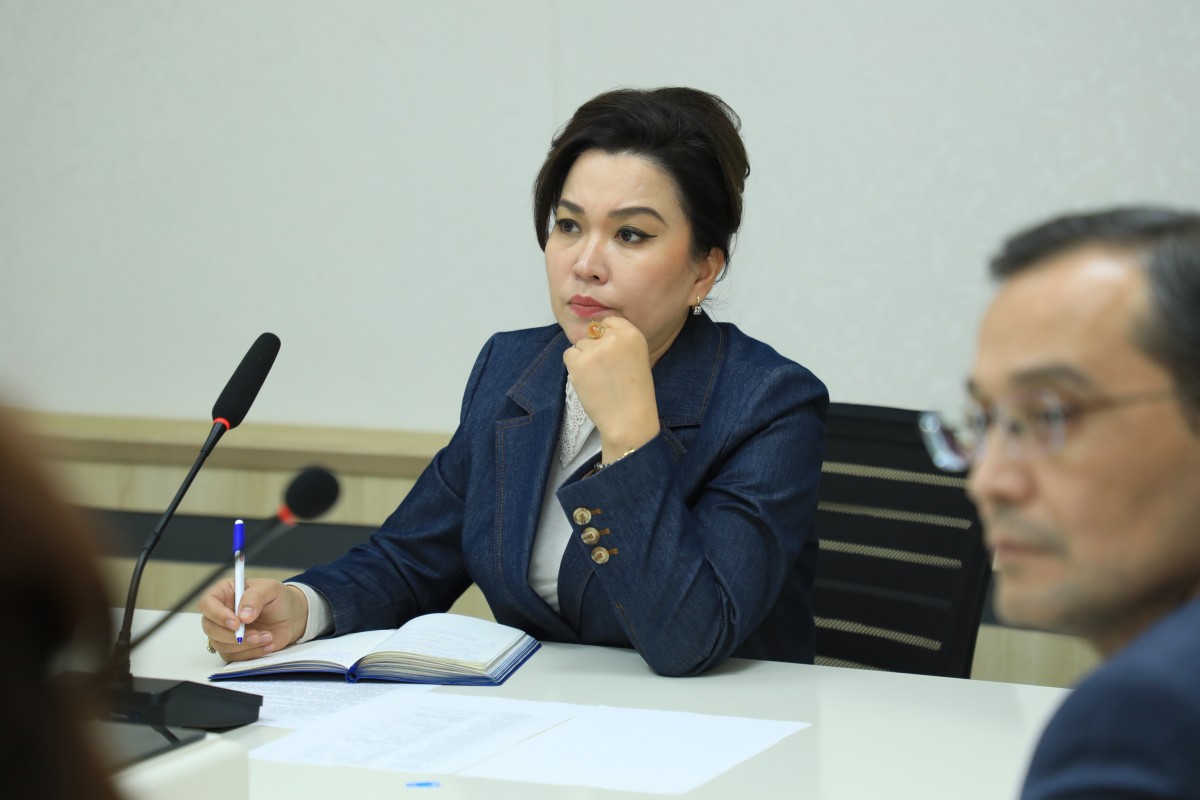
At the beginning of the meeting, F. Zakirjanova delivered a report on the implementation of resolutions adopted by the President and the Government of the Republic of Uzbekistan, as well as resolutions of the Collegium and orders of the Ministry of Higher Education, Science and Innovation.
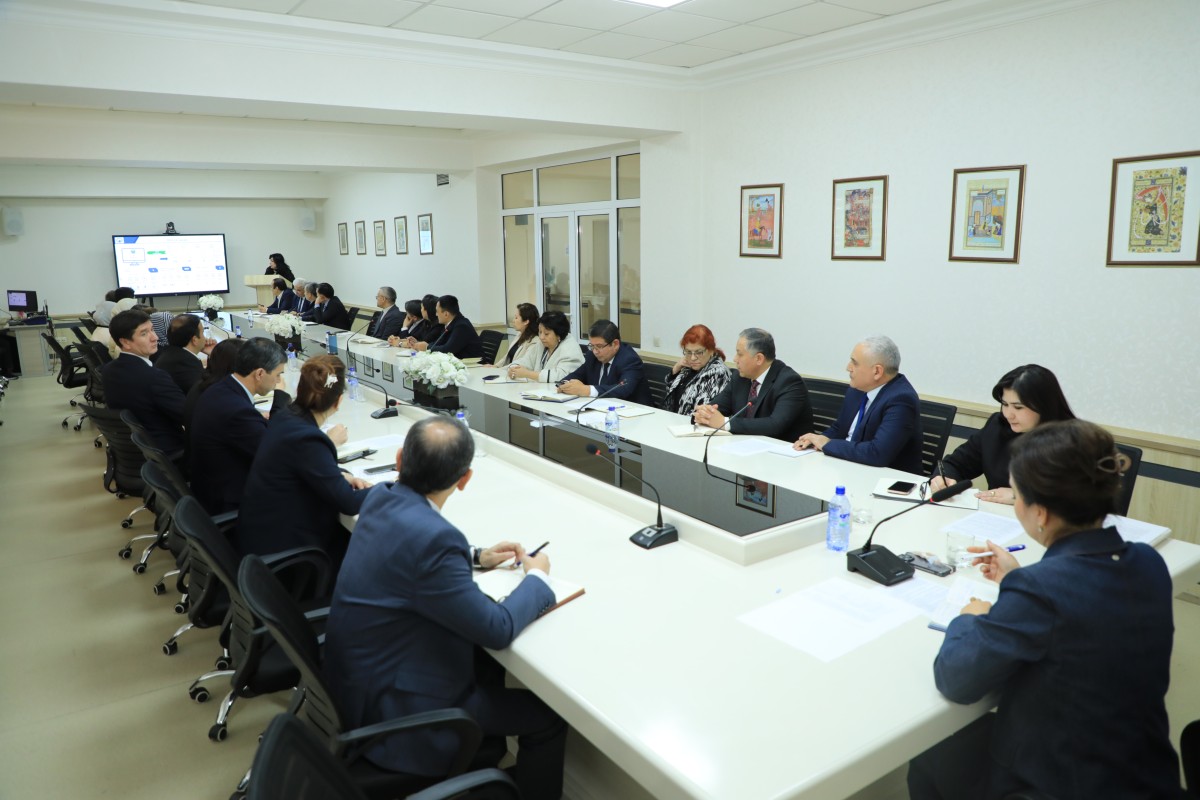
Subsequently, S. Mustafayeva presented a report on the activities carried out at the Institute of Oriental Languages and Literature in the areas of youth engagement, improvement of the student development and educational support system, advancement of spiritual and educational initiatives, promotion of a healthy lifestyle, and organisation of meaningful extracurricular activities for students.
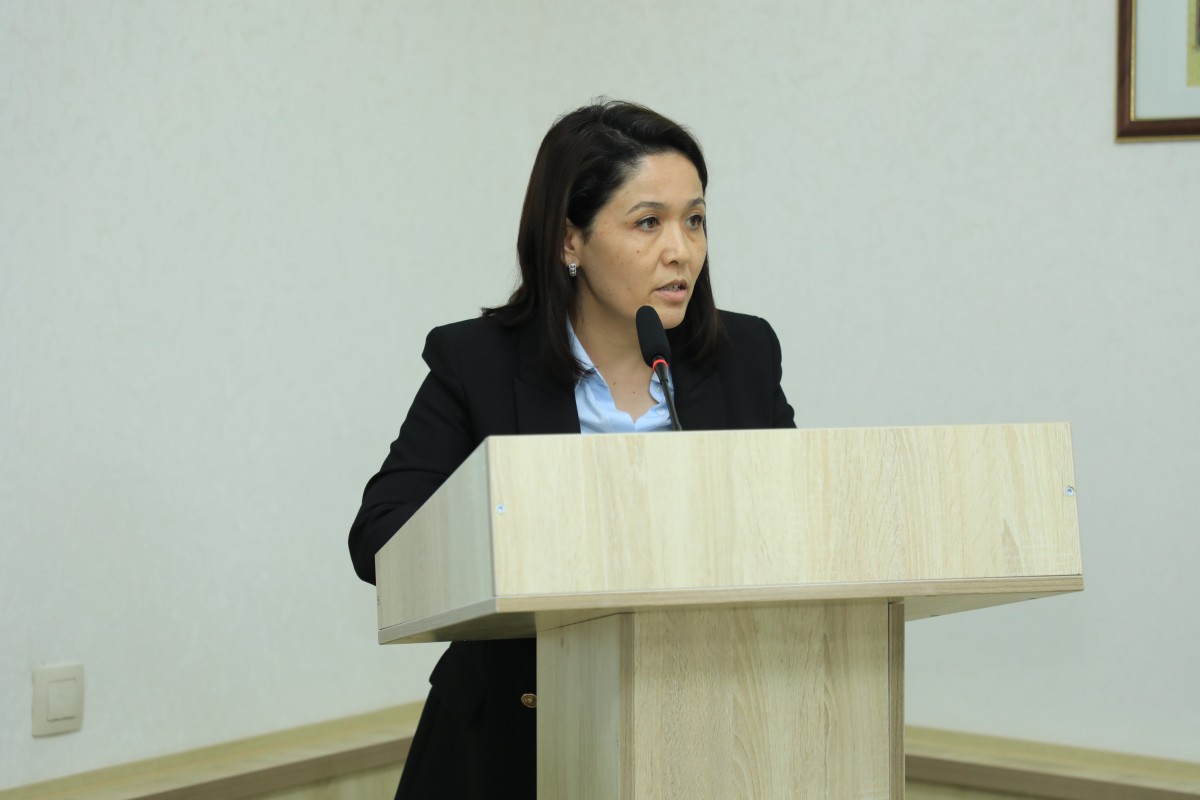
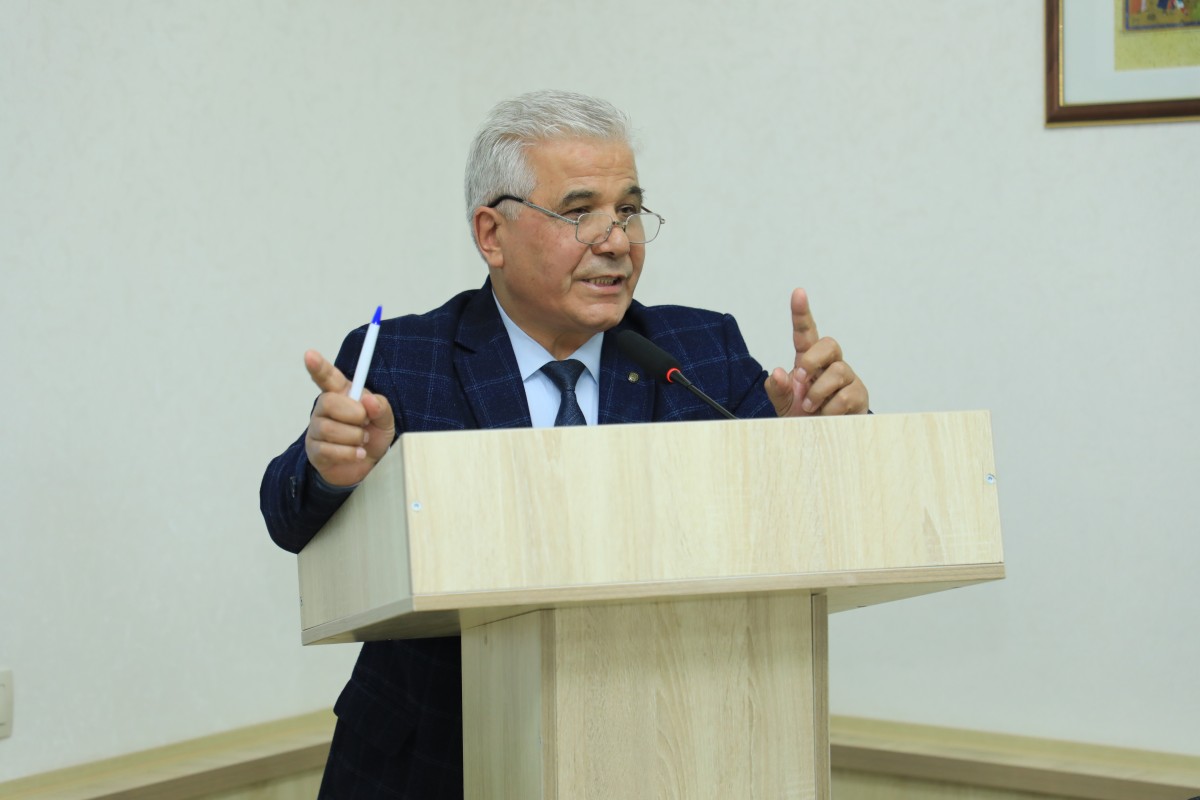
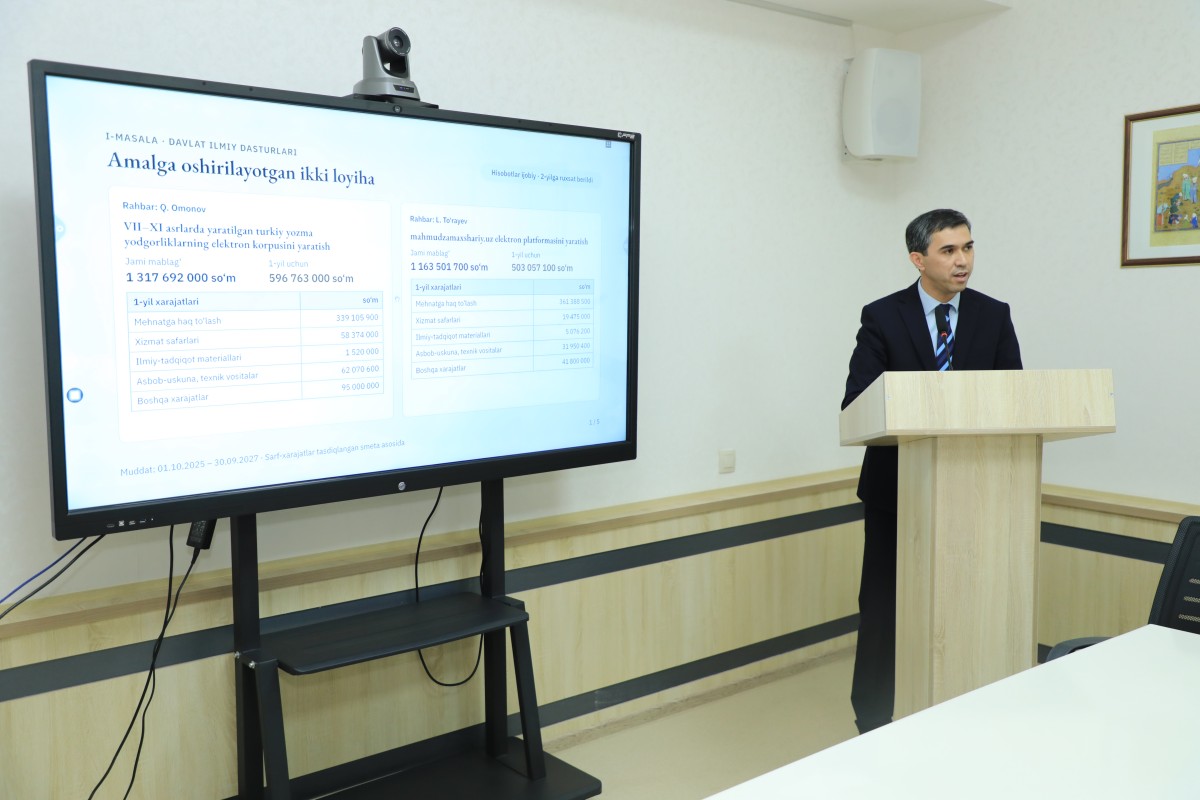
L. Turaev delivered a report analysing the effectiveness of funds allocated to scientific, applied, innovative, and startup projects implemented within the framework of state scientific programmes.
During the meeting, Z. Alimov and S. Umarova presented reports on assigning graduation qualification project topics to undergraduate students completing their studies in the 2026/2027 academic year and approving their academic supervisors.
In addition, S. Umarova addressed the introduction of an elective training course entitled “Training Guides (Guide-Interpreters)”, scheduled to commence in the second semester of the 2026/2027 academic year pursuant to Resolution No. 468 of the Cabinet of Ministers of the Republic of Uzbekistan, dated 4 September 2026.
Sh. Saidov delivered a report on the new procedures and requirements incorporated into the Regulations on Master’s Degree Programmes, approved by Resolution No. 500 of the Cabinet of Ministers of the Republic of Uzbekistan, dated 17 September 2026. The resolution aims to improve postgraduate training within Uzbekistan’s higher education system and enhance its effectiveness. He also presented information on the results of the assessment conducted to review the academic activities of second-year master’s students and their academic supervisors.
L. Turaev reported on the allocation of the five per cent supplementary payment provided by the Ministry to participants in applied research project AL-7823051605, entitled “Development of an Electronic Platform on Gender Relations in Eastern Countries (The 100 Most Prominent Women of the East),” implemented at the university during 2024–2025.
He also addressed the approval of internal projects submitted by the university’s higher schools and departments, the nomination of basic doctoral student Gavharshodbegim Khоlmatova Muhammadi qizi for the President of the Republic of Uzbekistan’s State Scholarship competition in the social sciences and humanities, and proposed changes to the academic supervisors and dissertation topics of basic doctoral students.
J. Abdazimov delivered a report on approving the procedures for the endorsement, financing, and implementation of startup projects at Tashkent State University of Oriental Studies.
S. Azizkhonova presented information on the consideration of materials for recommendation for publication.
One of the final items on the agenda concerned reports on overseas business trips undertaken in October, their outcomes, and proposals for the further development of Tashkent State University of Oriental Studies. Reports on this matter were delivered by I. Khudoynazarov, M. Askarov, S. Gazieva, Y. Kushanova, and O. Abdurakhmonov.
The meeting addressed current issues relating to education, research, student engagement, innovation, and international cooperation.
The Council meeting provided an important platform for discussing initiatives aimed at further improving the university’s operations, strengthening its research capacity, and enhancing the effectiveness of the educational process.

Social networks:
