







Five Lectures and Seminar-Training Sessions Held within the “Japan Goes Global” International Joint Course in Cooperation between TSUOS and Okayama University
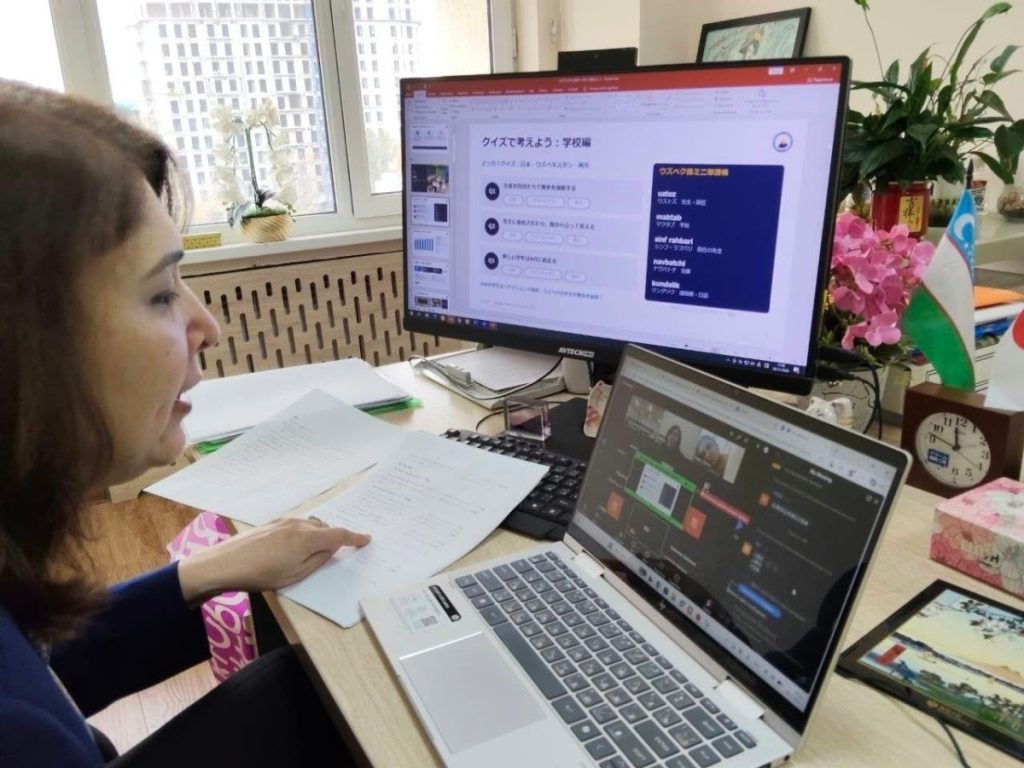
From 19 October to 16 November 2026, the Higher School of Japanese Studies at Tashkent State University of Oriental Studies (TSUOS), in cooperation with Japan’s Okayama University, conducted the international online joint course entitled “Japan Goes Global: Exploring Culture and Society in Japan and Central Asia”.
The methodological framework of the course was developed by Associate Professor, PhD Saida Kalmirzayeva of Okayama University and implemented in collaboration with Associate Professor, PhD Nadira Kholmurzayeva, Head of the Higher School of Japanese Studies at TSUOS. The sessions were delivered through tandem lectures and seminar-training activities involving academic staff from both universities.
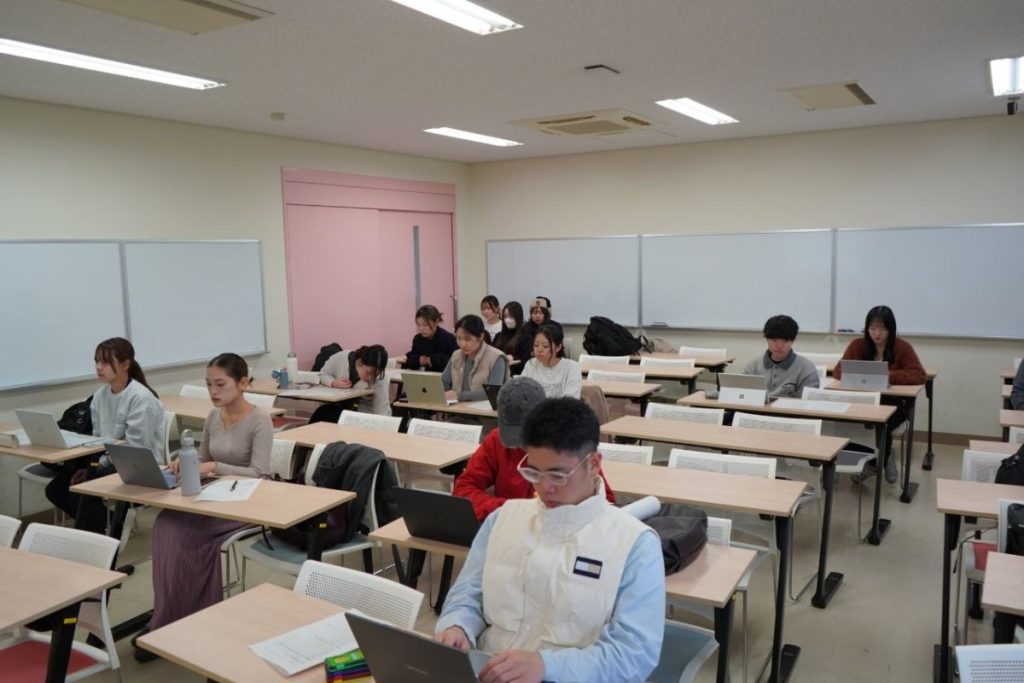
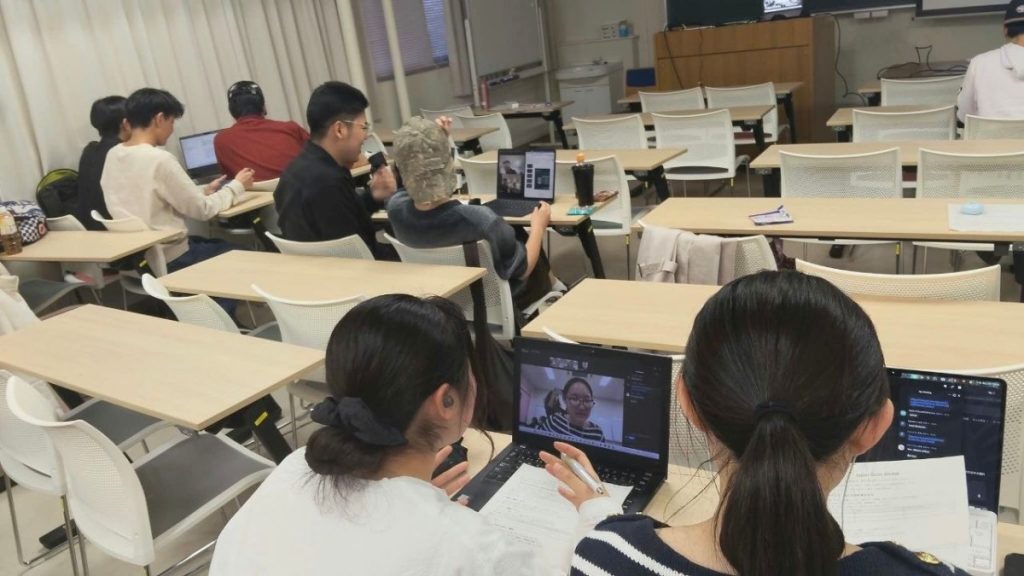
A total of 39 students participated in the international course, including 22 students from Okayama University and 17 from TSUOS. The sessions were conducted in Japanese and English via Zoom, providing students with opportunities to explore the cultures and societies of both countries comparatively, communicate directly with their international peers, and exchange experiences in an international academic environment.
As part of the course, five TSUOS faculty members delivered lectures and seminar-training sessions on the following topics:
- 19 October — “Family Traditions and Major Life Stages” (Senior Lecturer N.T. Tursunova);
- 26 October — “Lifestyle, Housing and Leisure” (Lecturer D.Kh. Abdurakhimova);
- 4 November — “Food Culture” (PhD, Associate Professor G.B. Qosimova);
- 9 November — “School, University and Work Culture” (PhD, Associate Professor N.T. Kholmurzayeva);
- 16 November — “Popular Culture and the Entertainment Industry” (Senior Lecturer M.A. Temirova).
The lectures covered various aspects of Uzbek family values, national traditions and customs, mahalla and hashar traditions, hospitality, national cuisine, the education system, workplace culture, music and contemporary popular culture. The sessions also explored similarities and differences between Uzbek and Japanese cultures through comparative analysis.
The course was organized in accordance with the principles of Collaborative Online International Learning (COIL). Each session incorporated lectures, question-and-answer discussions, interactive quizzes and seminar-training activities in mixed student groups. Through these activities, students developed their communication, teamwork, critical thinking and presentation skills in an international academic setting.
Key outcomes of the course:
- 5 tandem lectures and 5 seminar-training sessions were conducted;
- 39 students from the two universities participated in the programme;
- 5 TSUOS faculty members delivered classes as part of the international academic collaboration;
- a Japanese-language teaching and learning materials package comprising 5 presentations and accompanying worksheets was developed.
The international initiative contributed to the achievement of the United Nations Sustainable Development Goals, particularly SDG 4 — Quality Education and SDG 17 — Partnerships for the Goals. Specifically, it supported the development of students’ intercultural communication competencies, expanded access to an international learning environment and strengthened academic ties between the two universities.
On 19 November 2026, final student presentations and a concluding discussion are scheduled to take place under the guidance of Associate Professor, PhD Saida Kalmirzayeva of Okayama University.
This joint course represents an important step towards further strengthening international cooperation between TSUOS and Okayama University, promoting Uzbek culture and national values internationally, and establishing a solid foundation for future joint educational programmes and academic exchange initiatives.
Social networks:
