







International Scientific Conference on “Iranian and Afghan Studies in the 21st Century: Language and Literature, Political and Historical Processes” Held at TSUOS
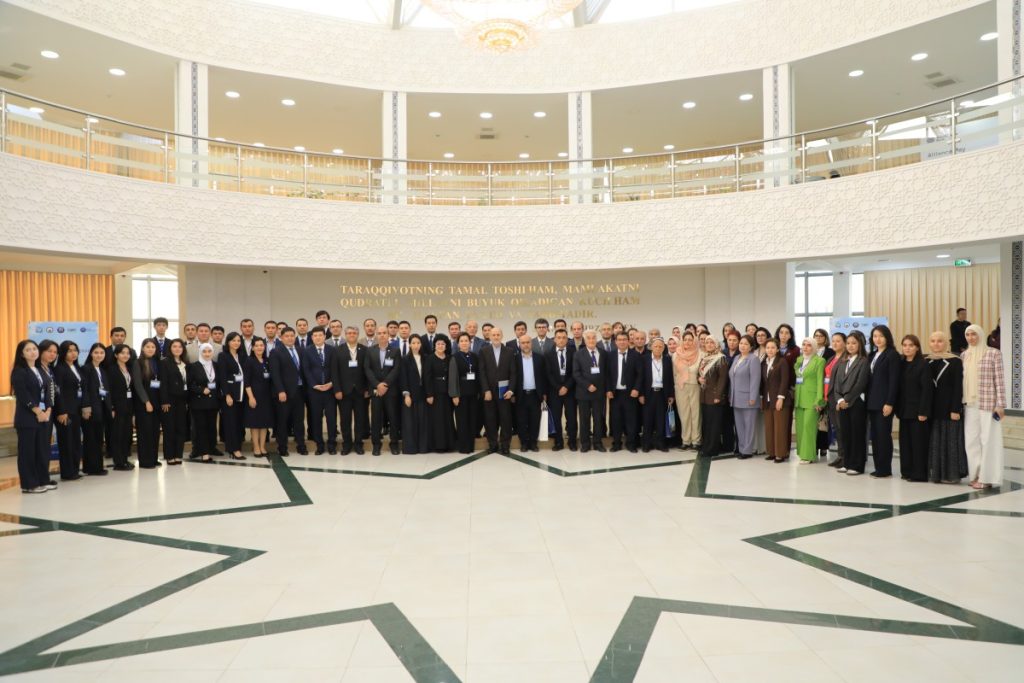
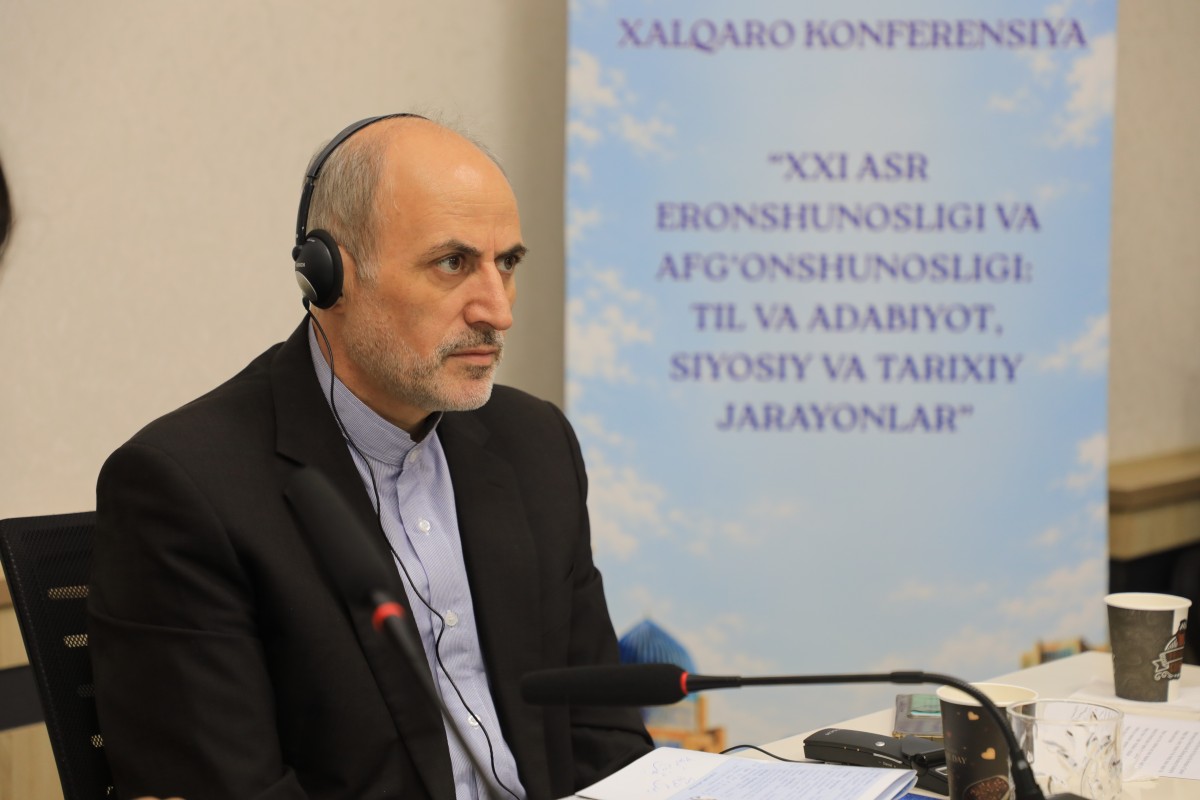
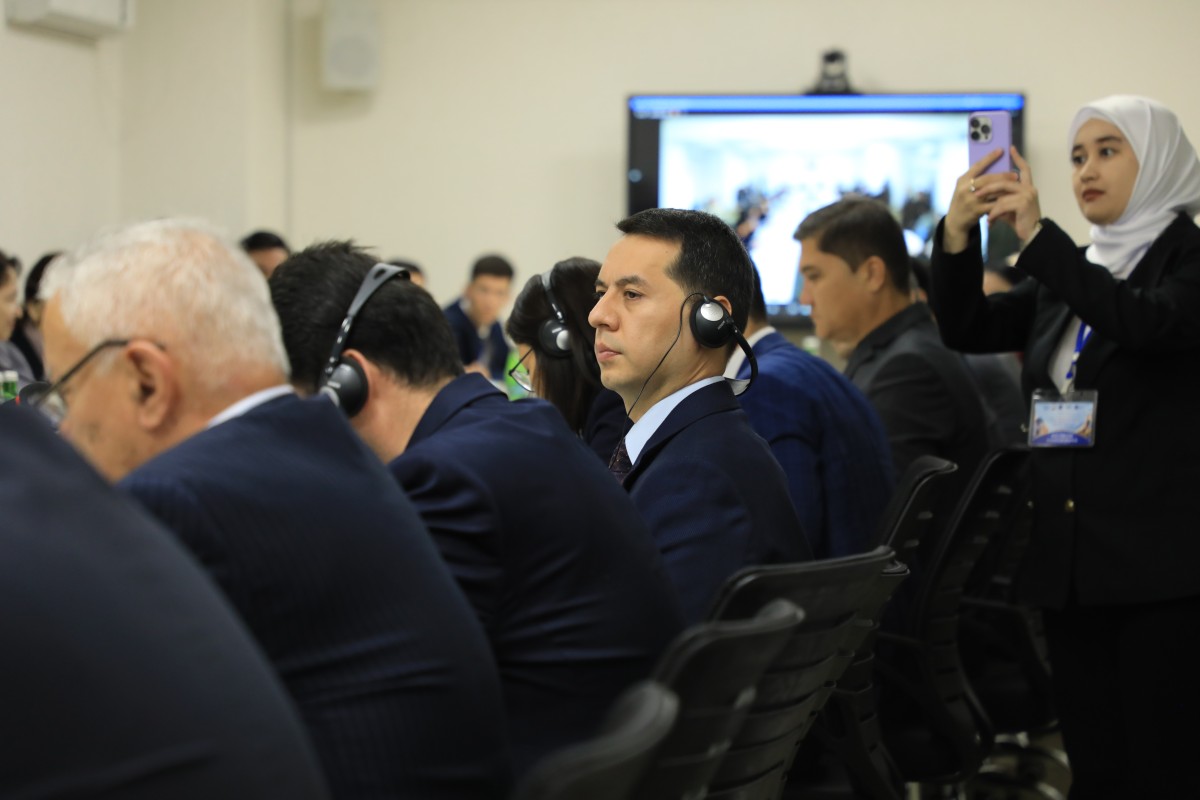
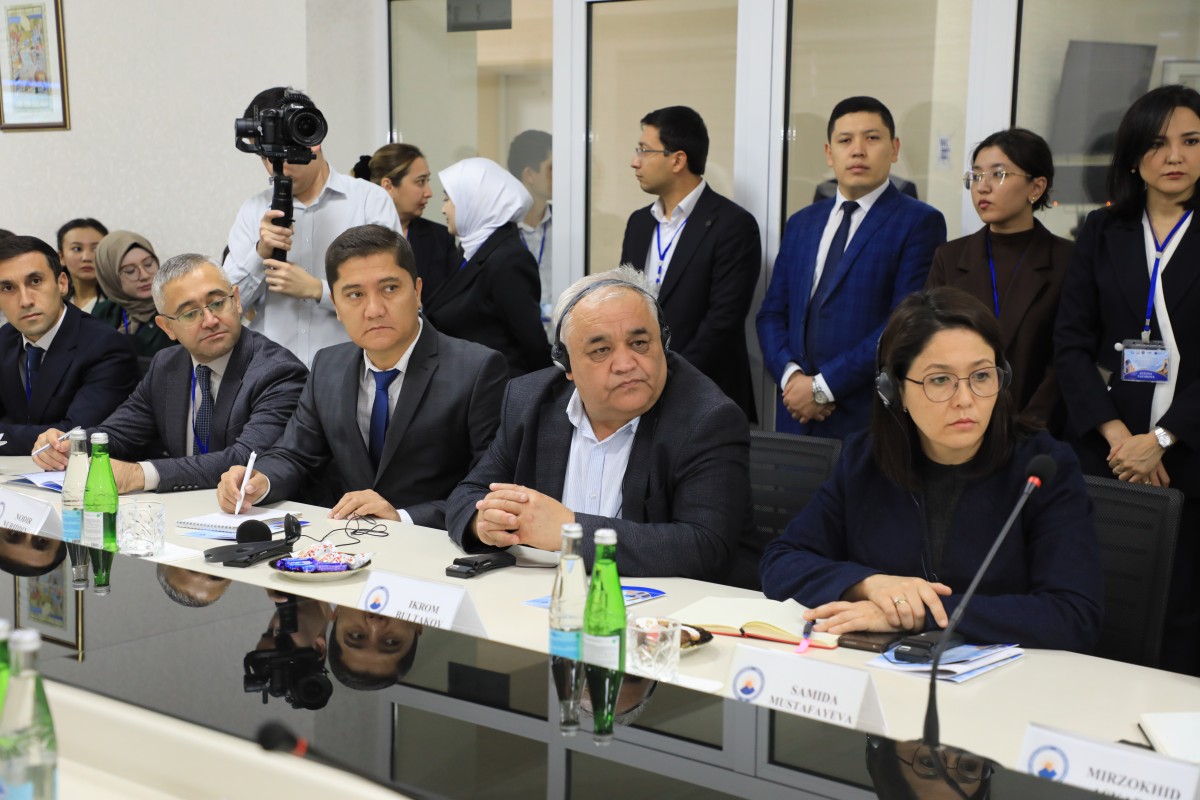
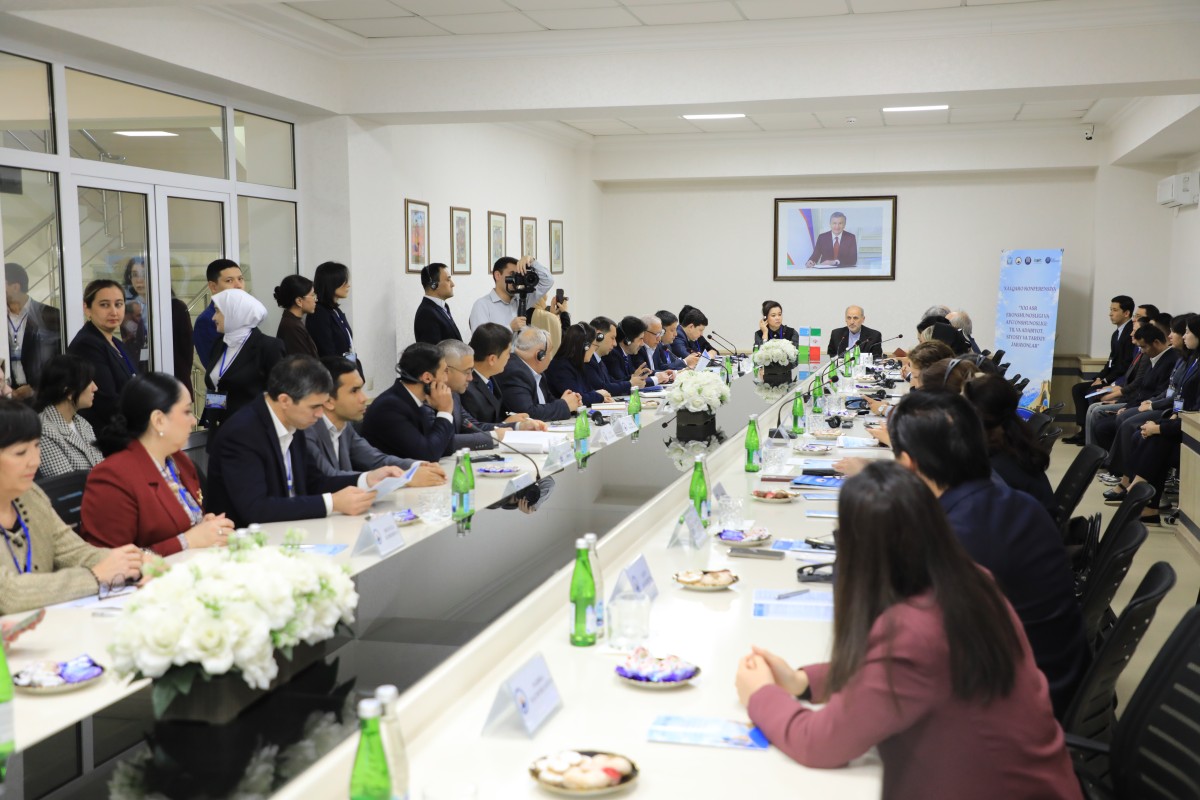
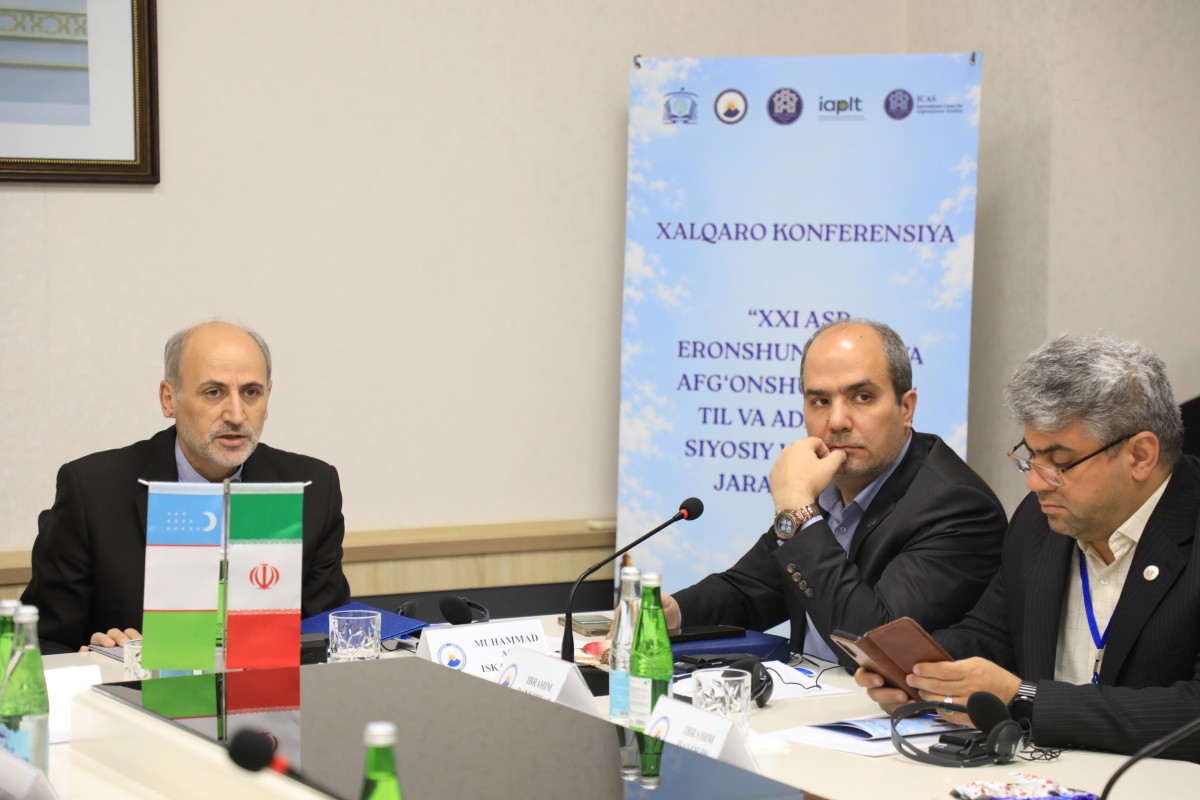
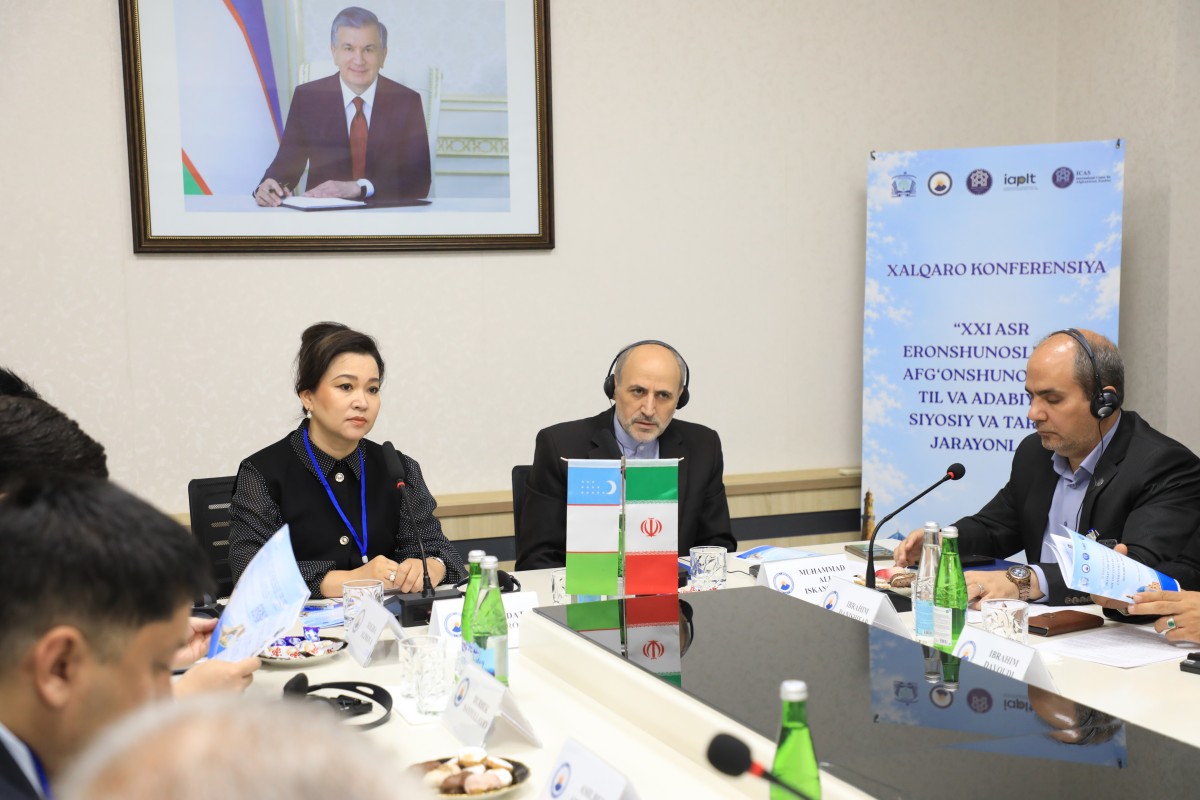
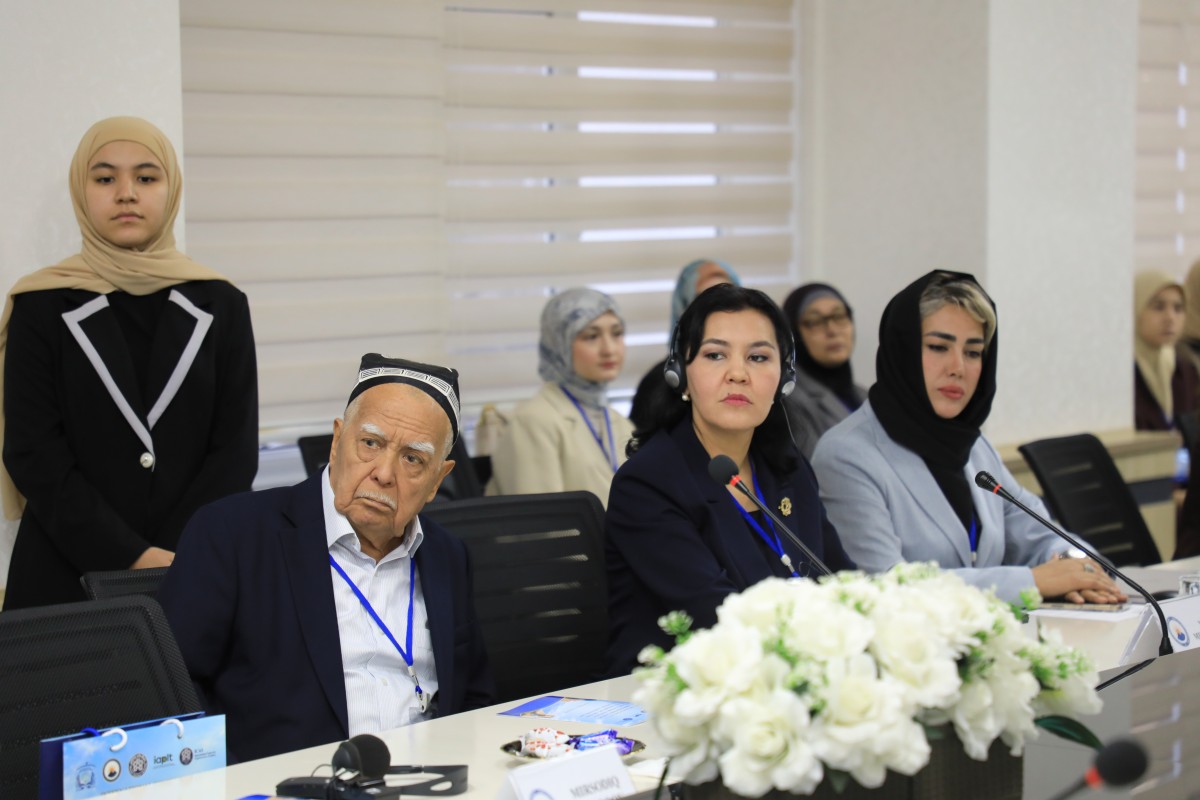
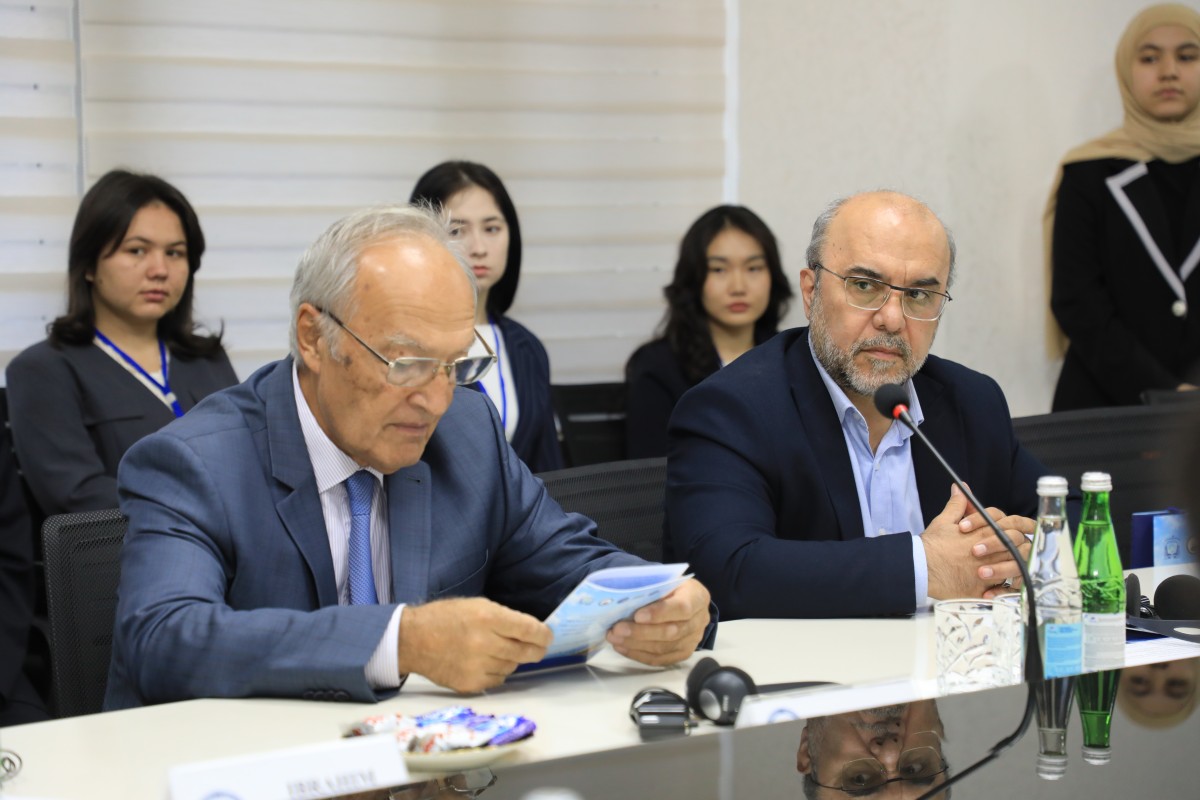
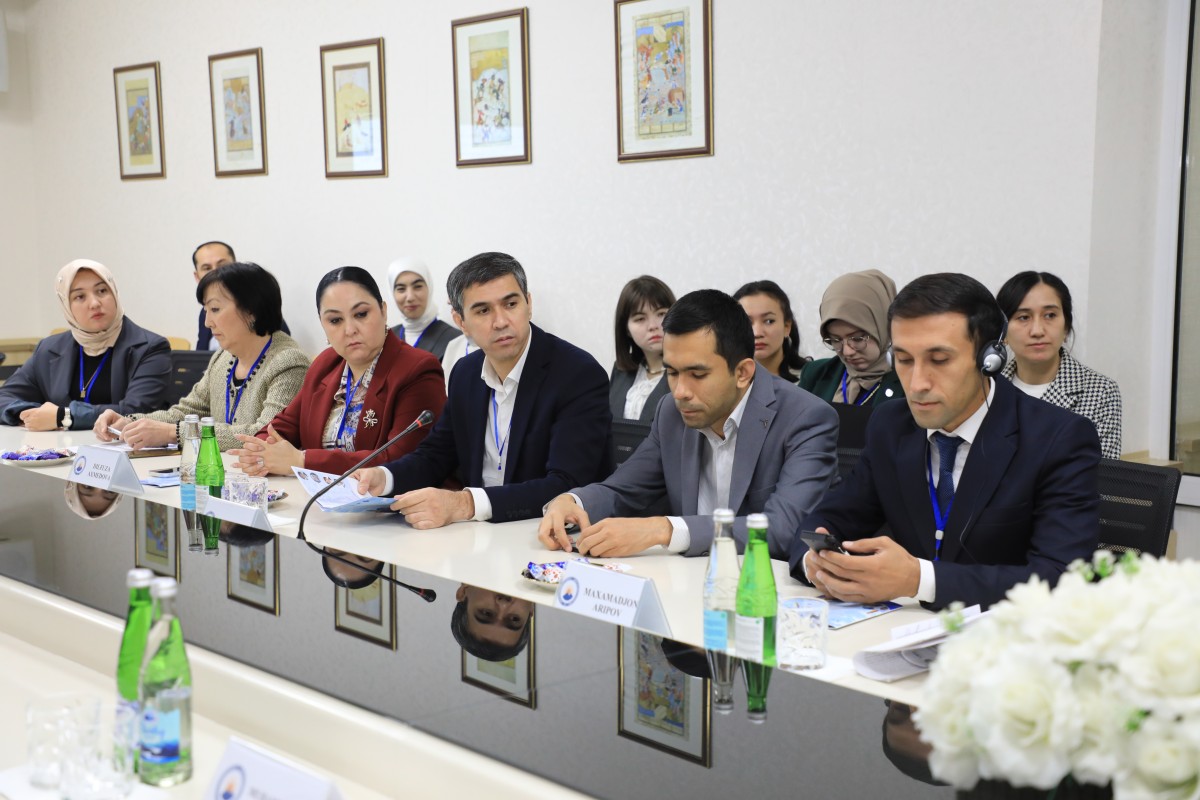
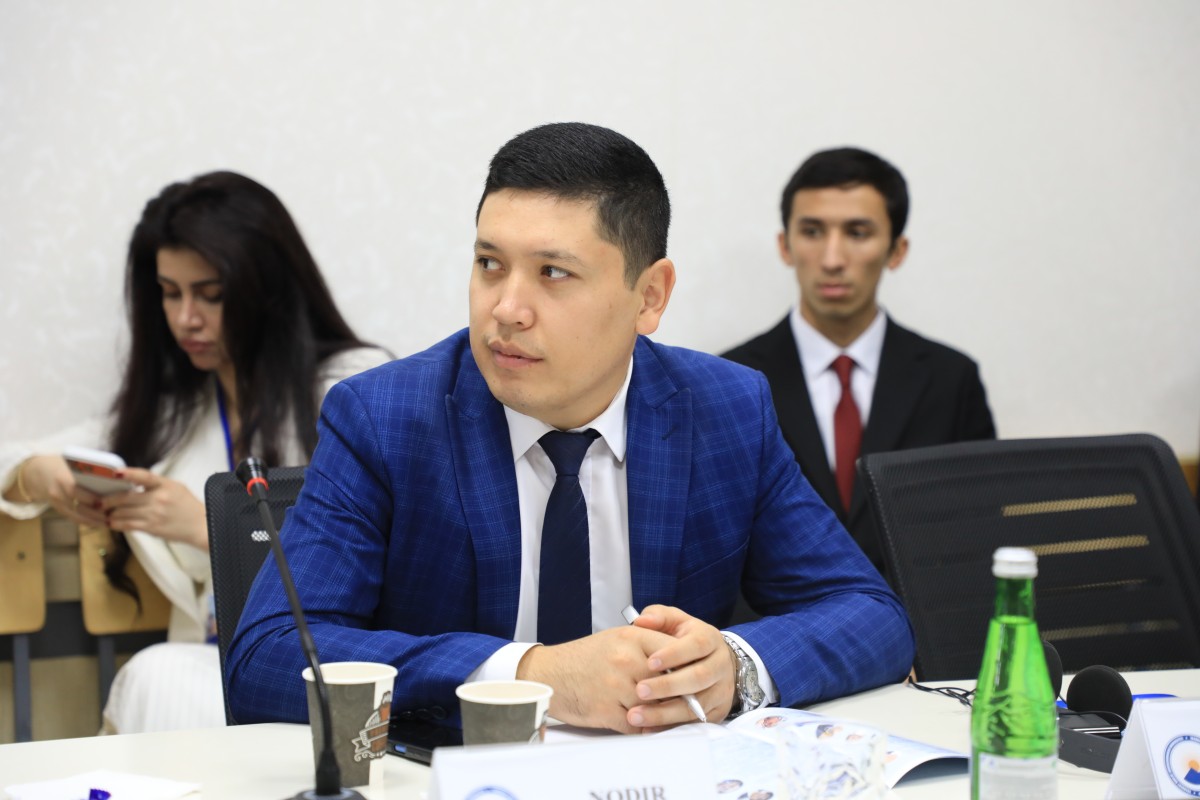
On 24 October 2026, an international scientific conference entitled “Iranian and Afghan Studies in the 21st Century: Language and Literature, Political and Historical Processes” was held at the Tashkent State University of Oriental Studies (TSUOS).
The conference aimed to address current research challenges in Iranian and Afghan studies, facilitate the exchange of research findings in linguistics, literary studies, history, politics and culture, and further strengthen international academic cooperation.
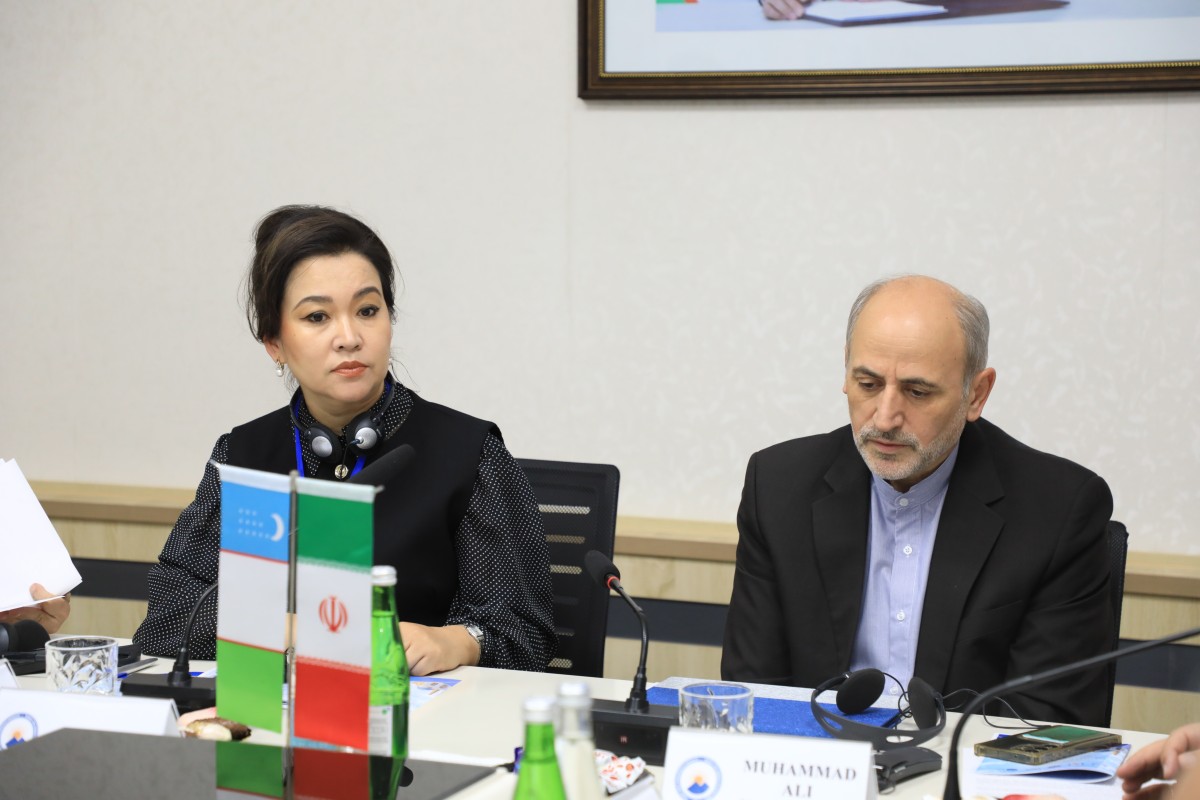
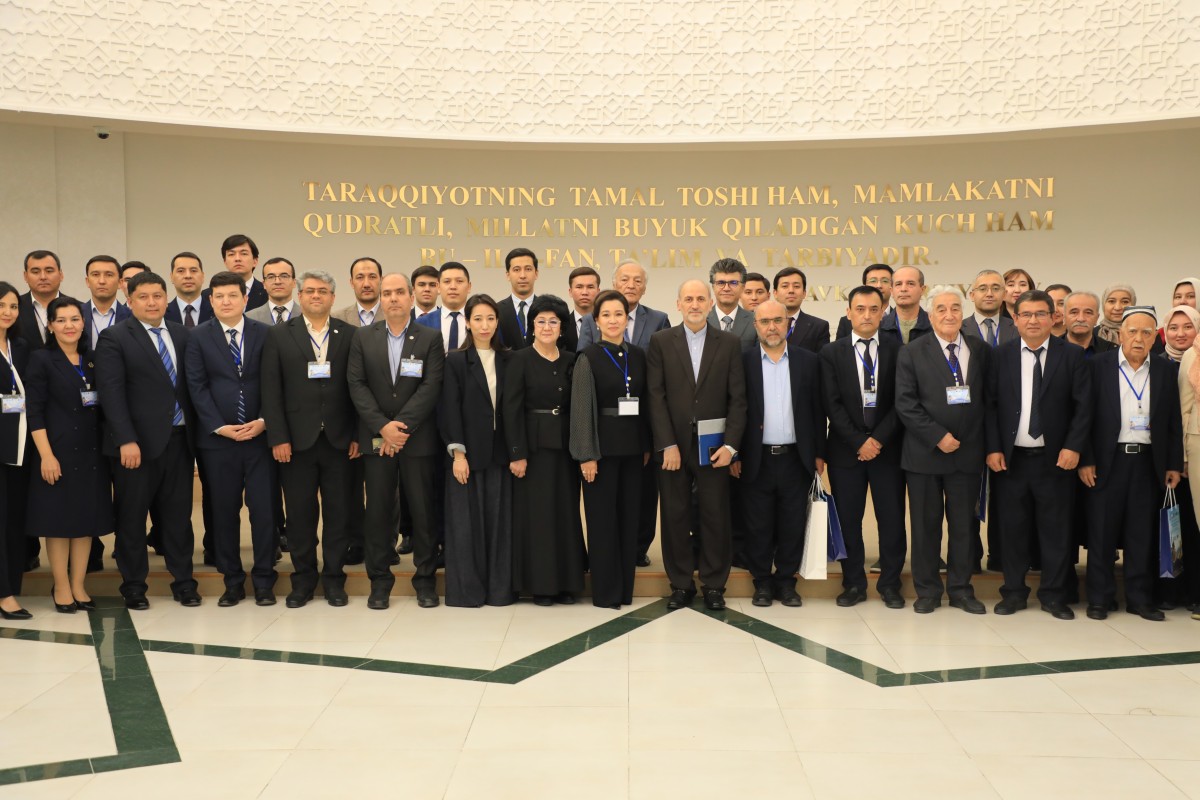
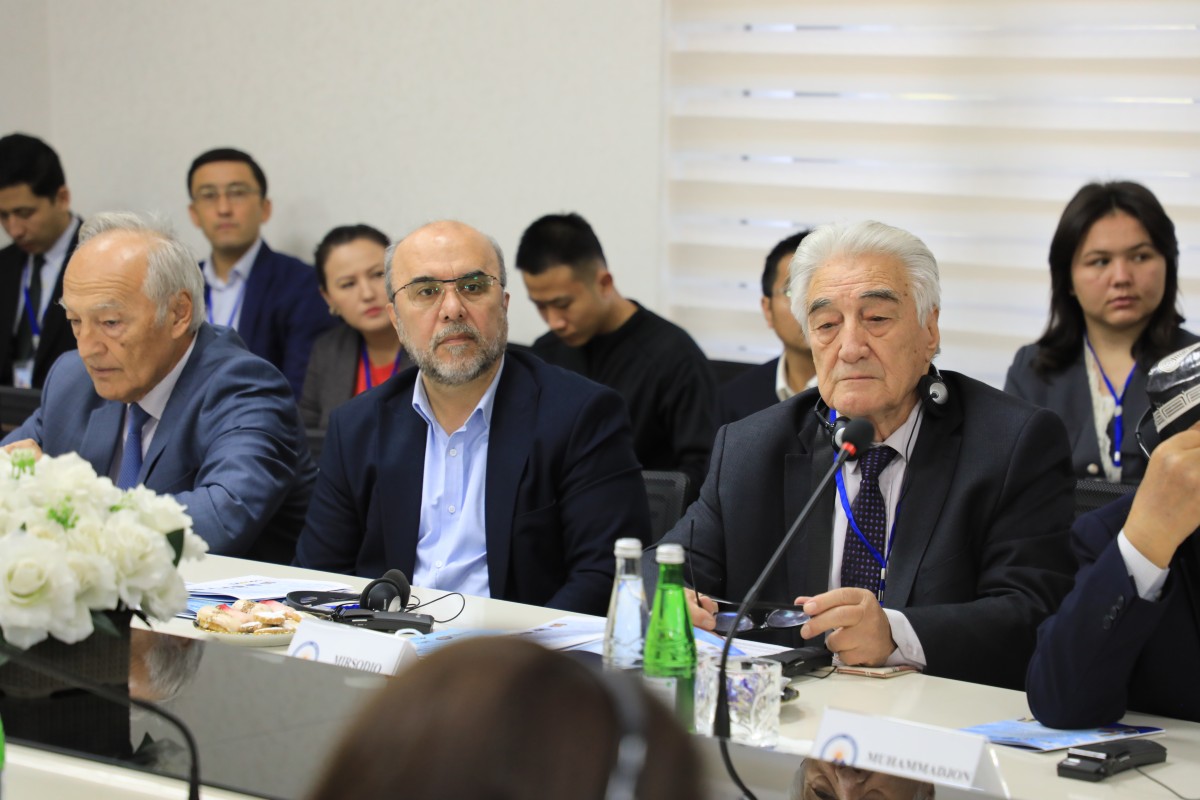
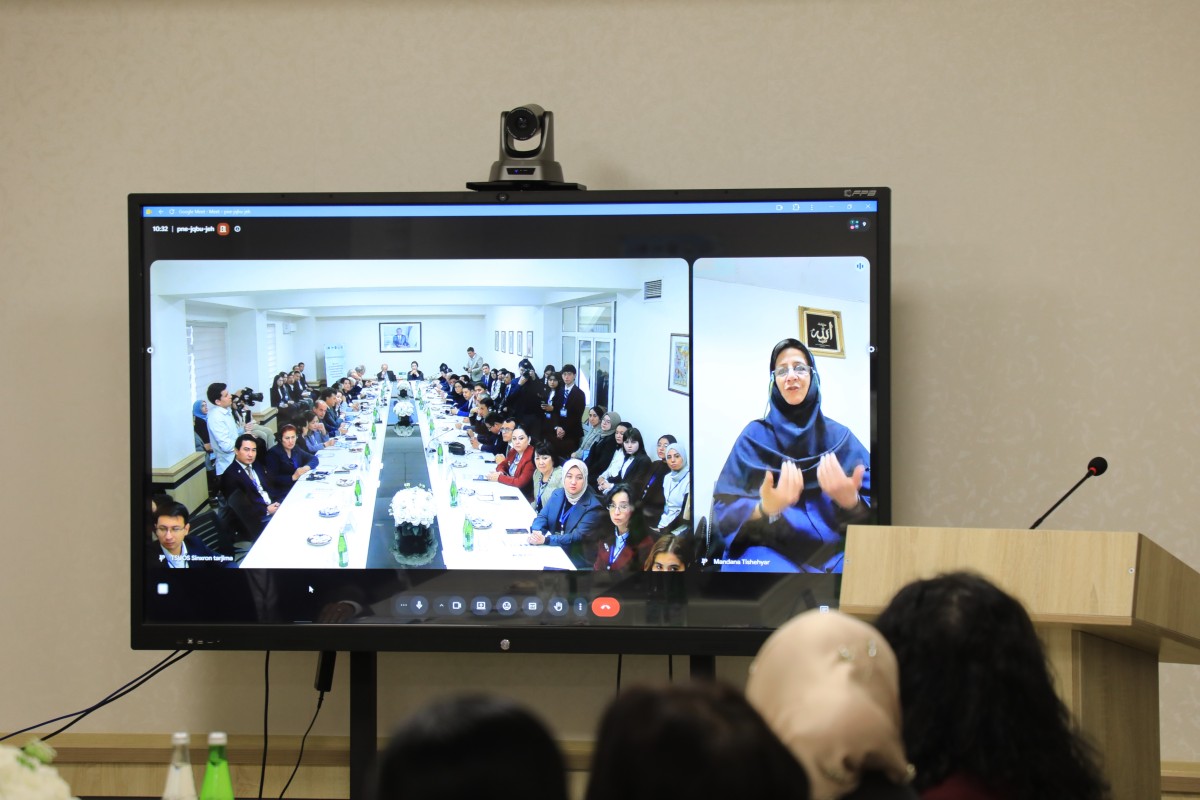
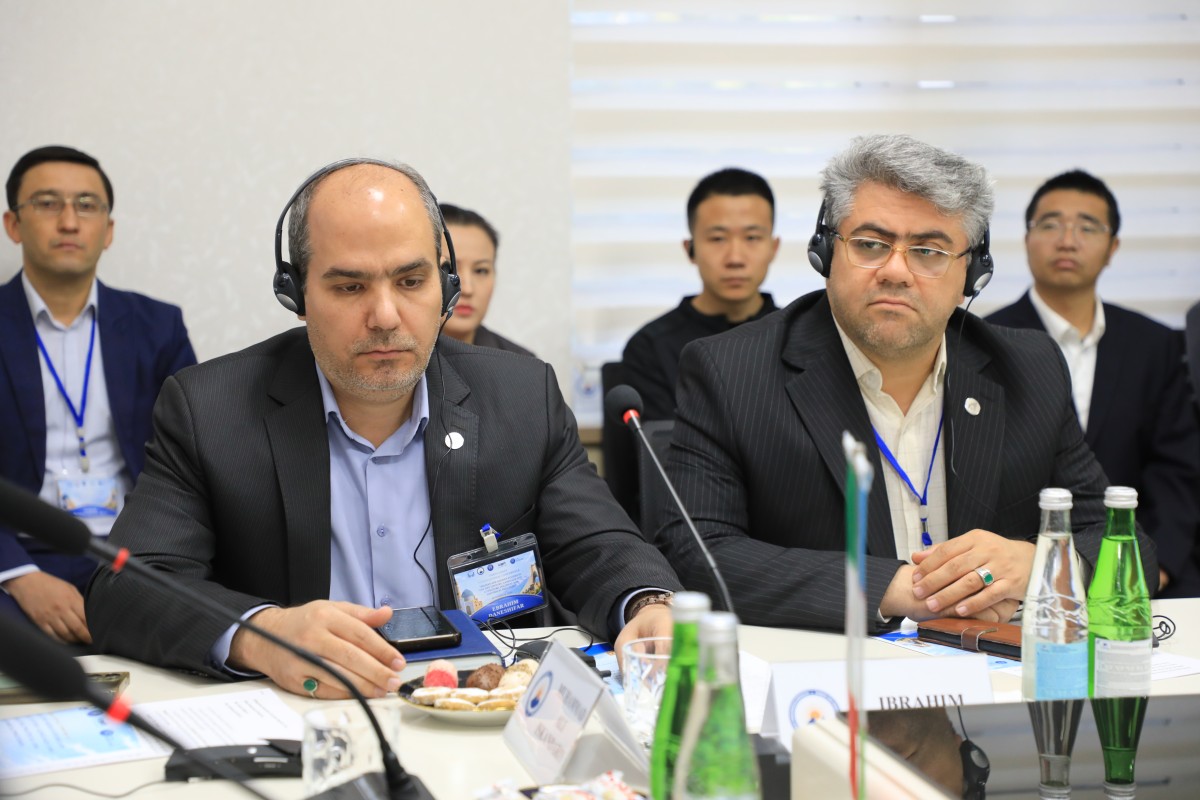
The event was attended by Professor Saodat Nasirova, Rector of the Tashkent State University of Oriental Studies; Mohammad Ali Eskandari, Ambassador Extraordinary and Plenipotentiary of the Islamic Republic of Iran to the Republic of Uzbekistan; Professor Ibrahim Danishifar, Rector of Imam Reza International University; Professor Mandana Tishyar, Vice-Rector of Allameh Tabataba’i University; and Mahbod Ghaffari, Director of the International Association of Persian Language Teachers.
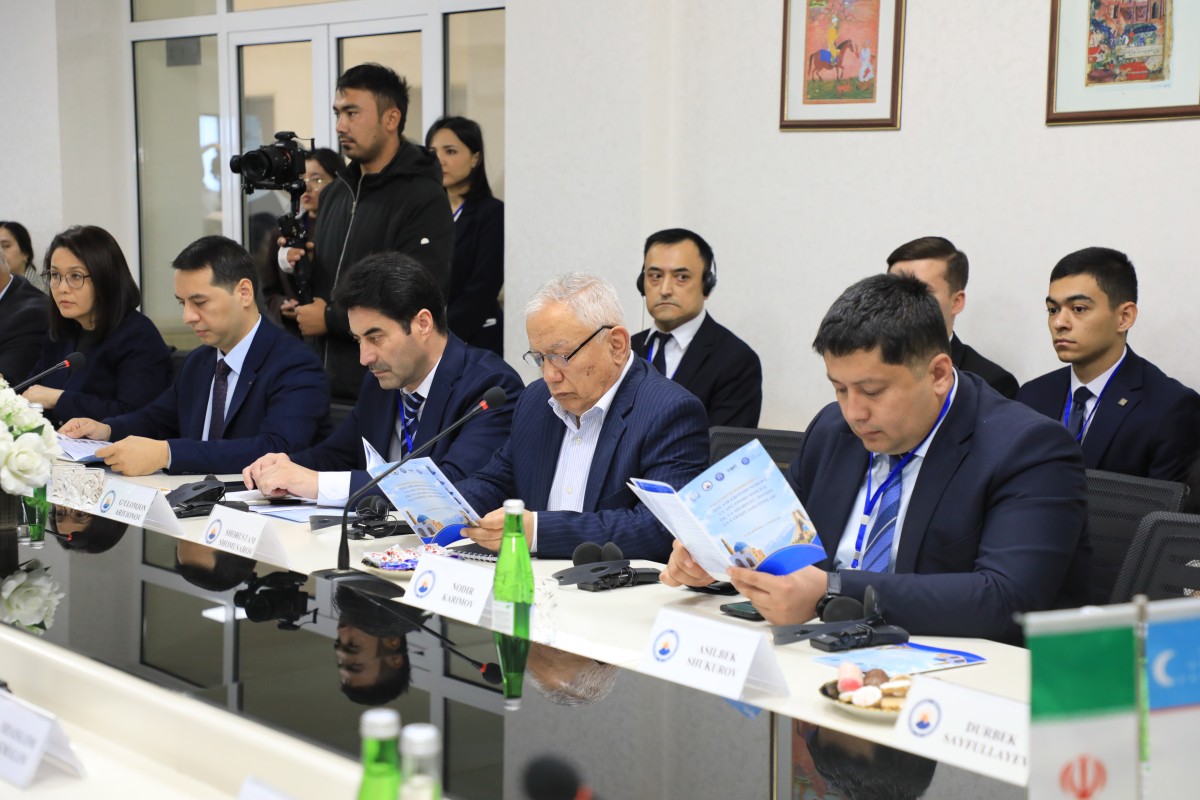
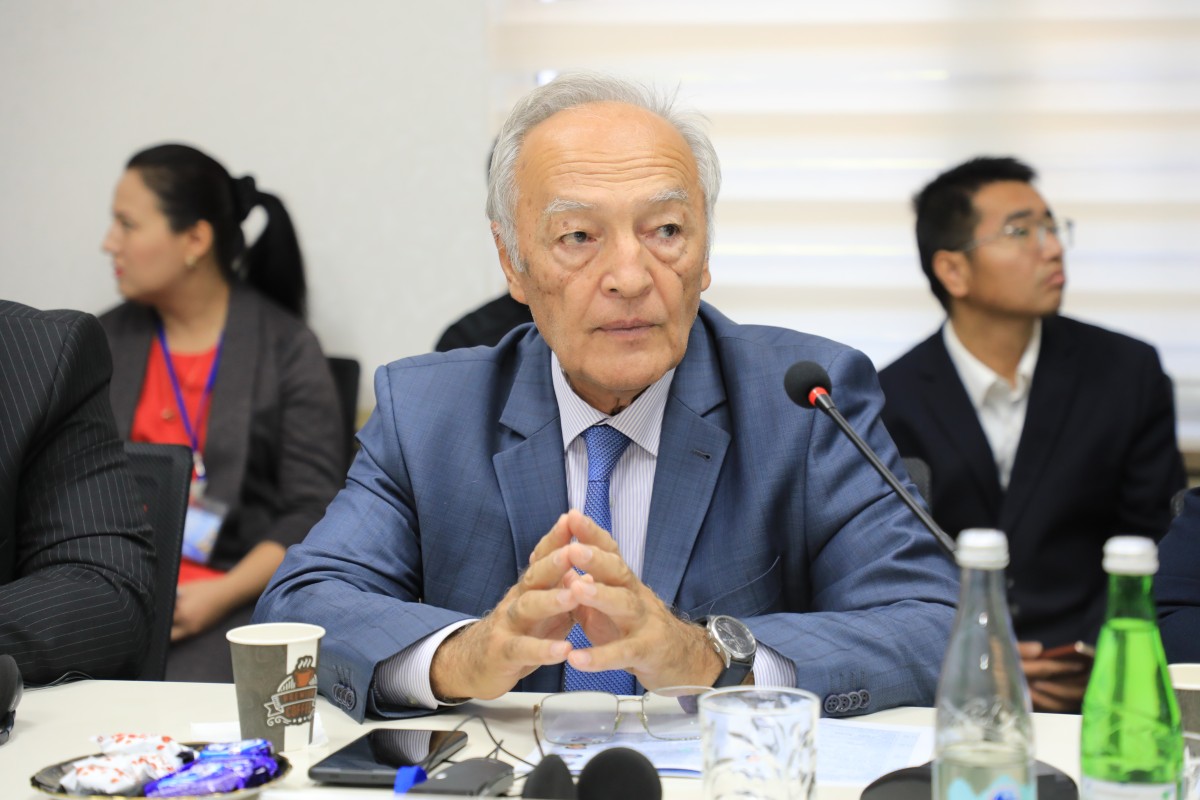
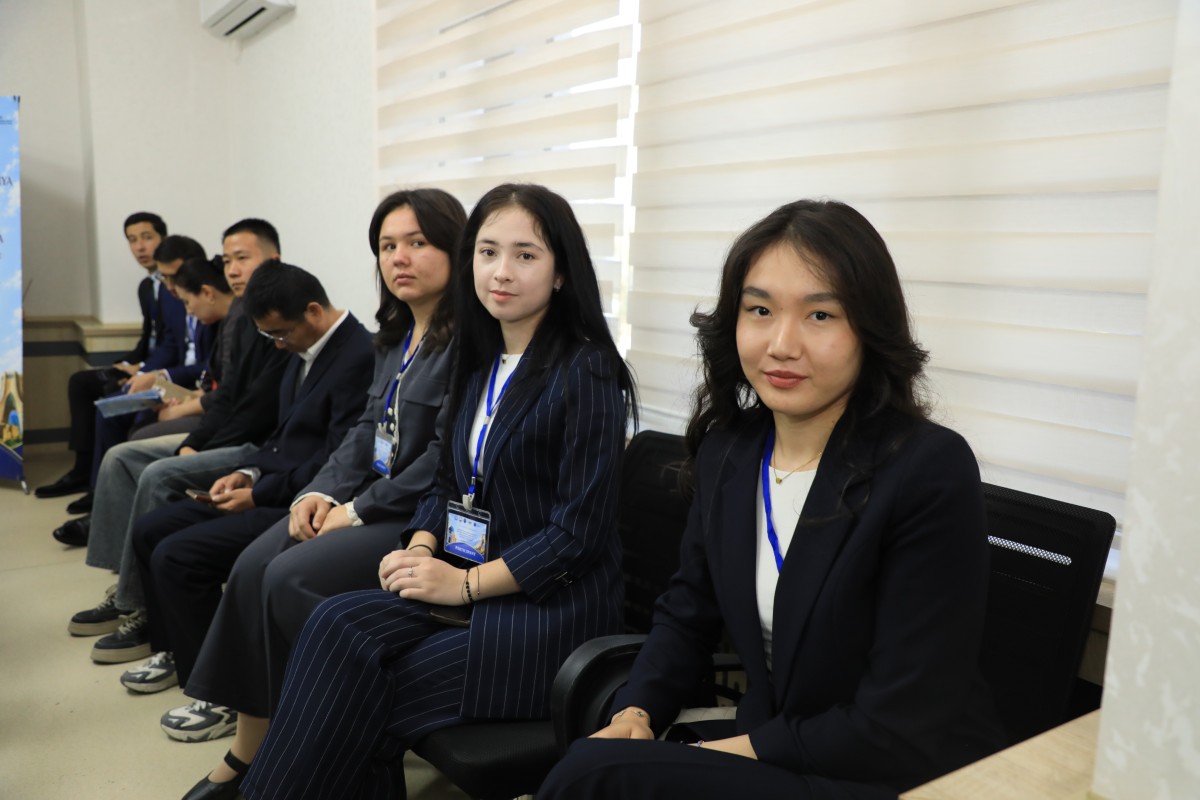
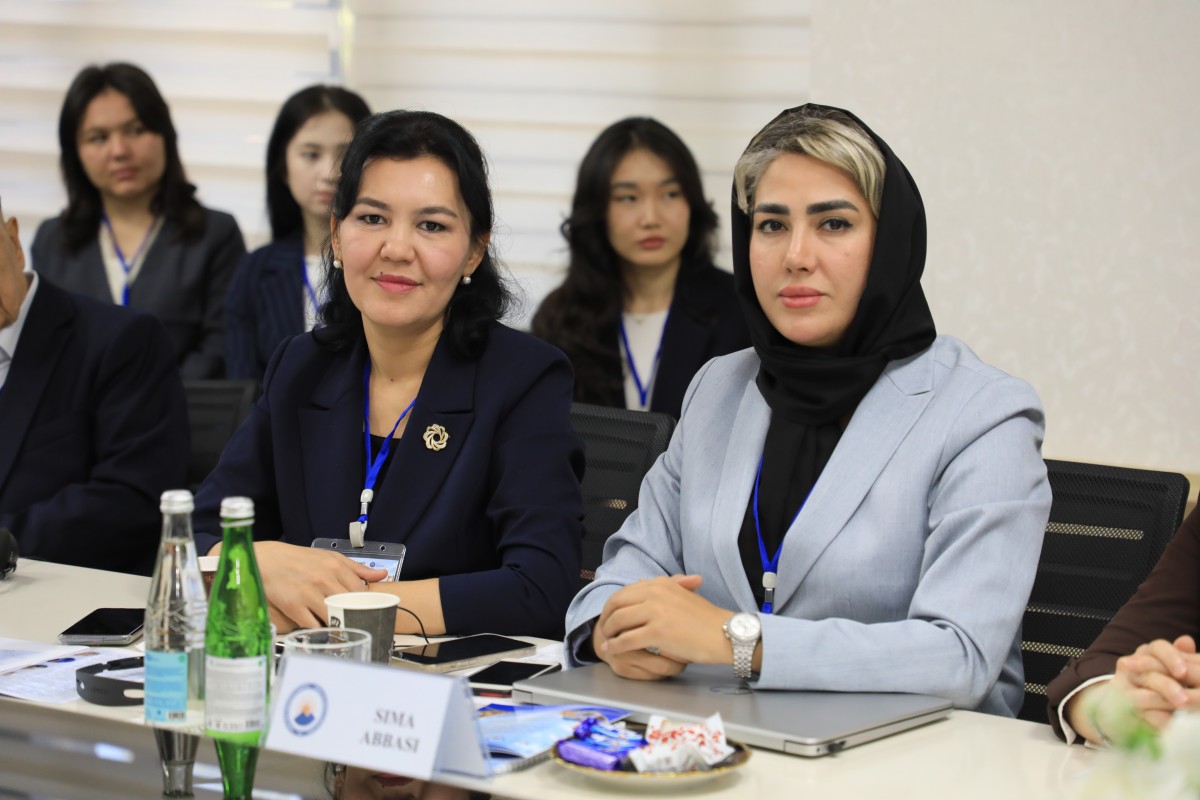
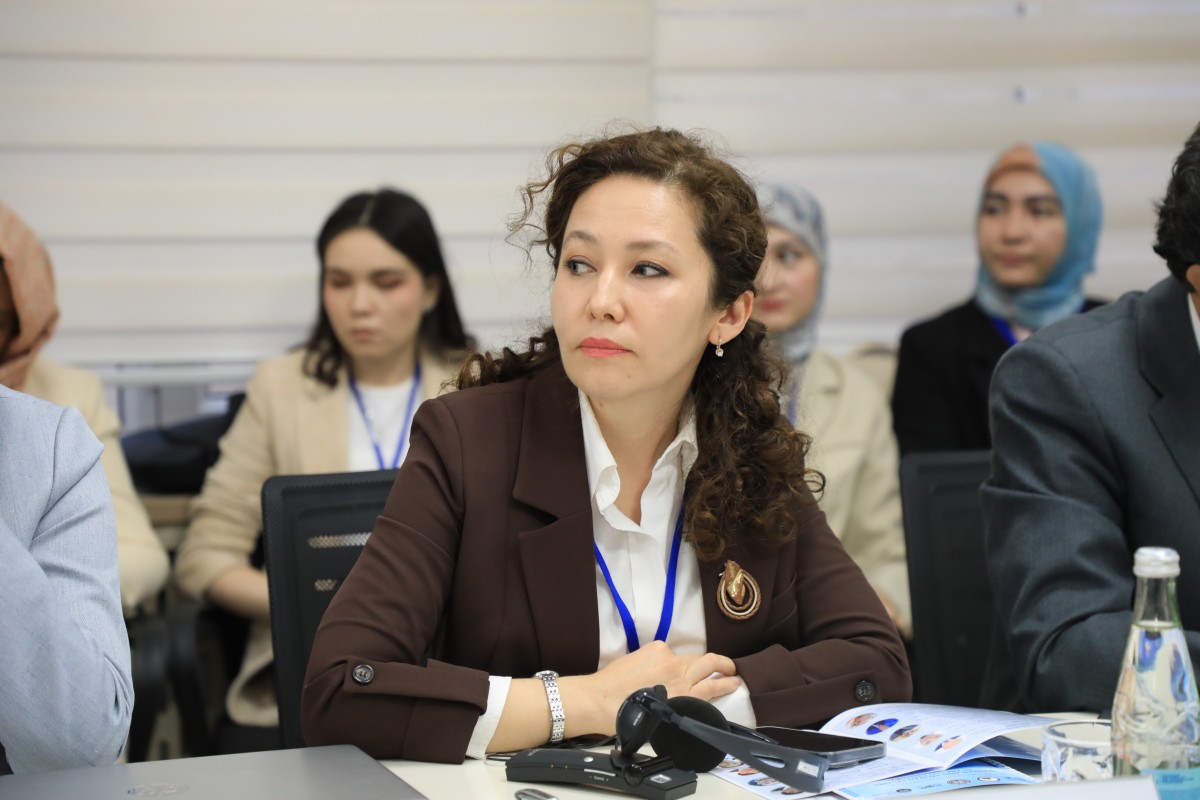
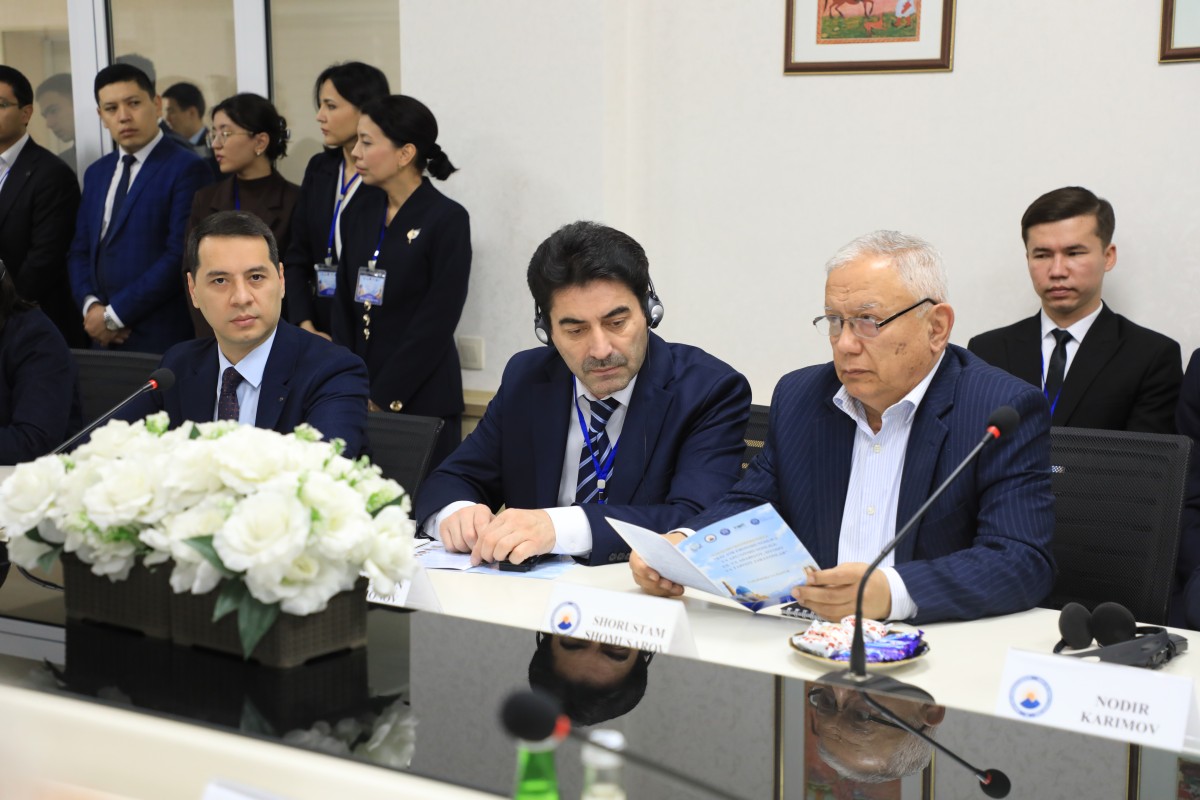
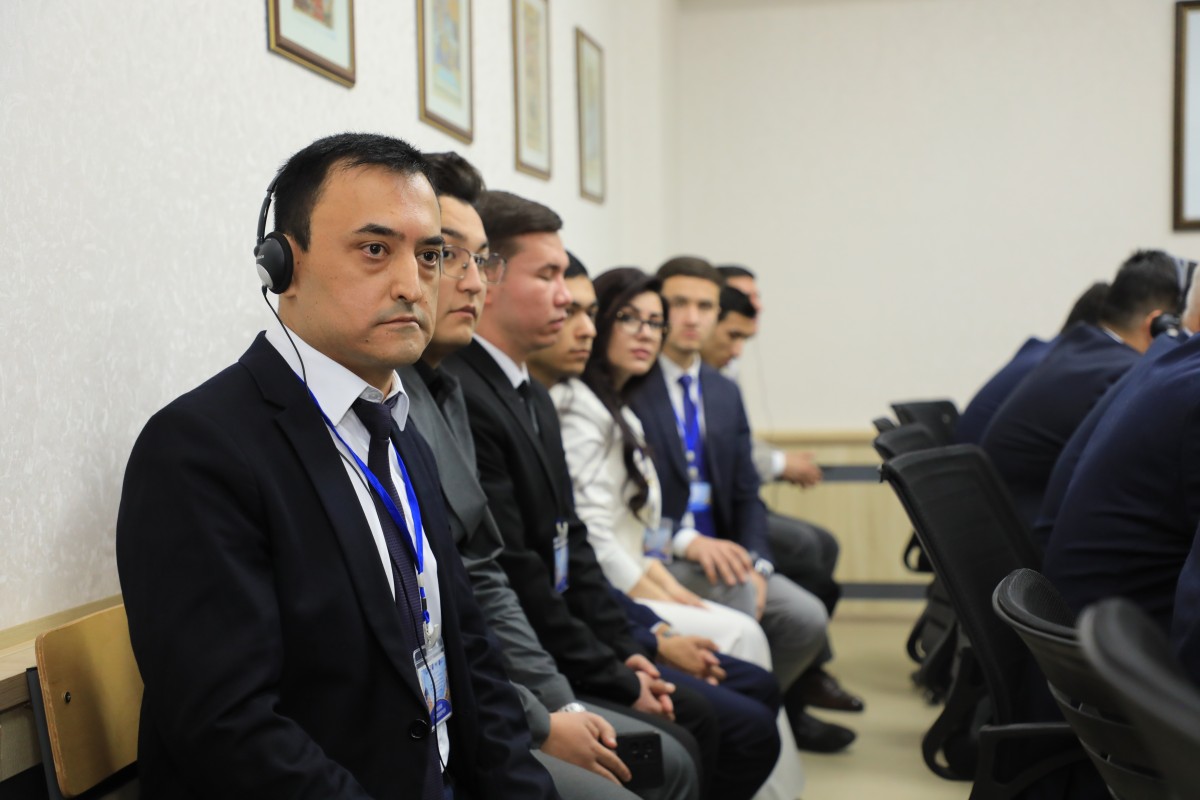
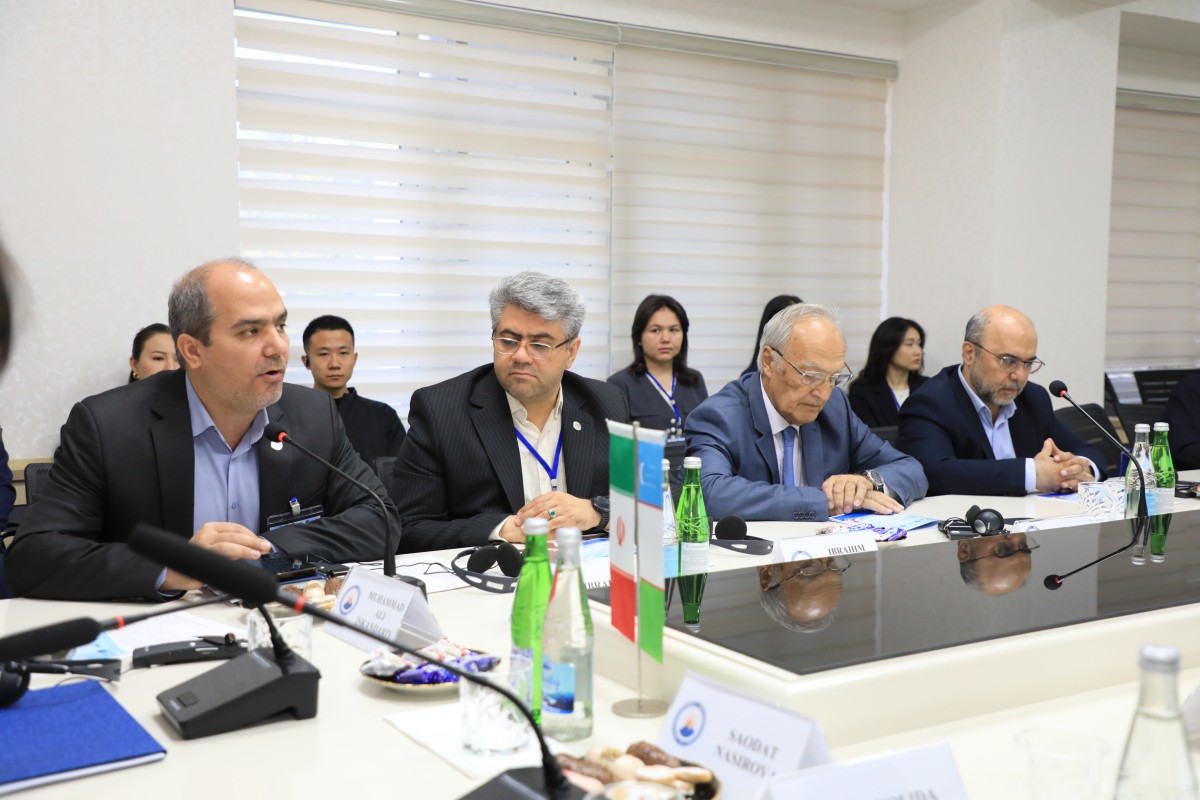
The conference also brought together professors, lecturers, scholars, researchers, doctoral students, master’s students and undergraduate students from higher education institutions in Uzbekistan and abroad. Participants presented their research findings and exchanged academic experience.
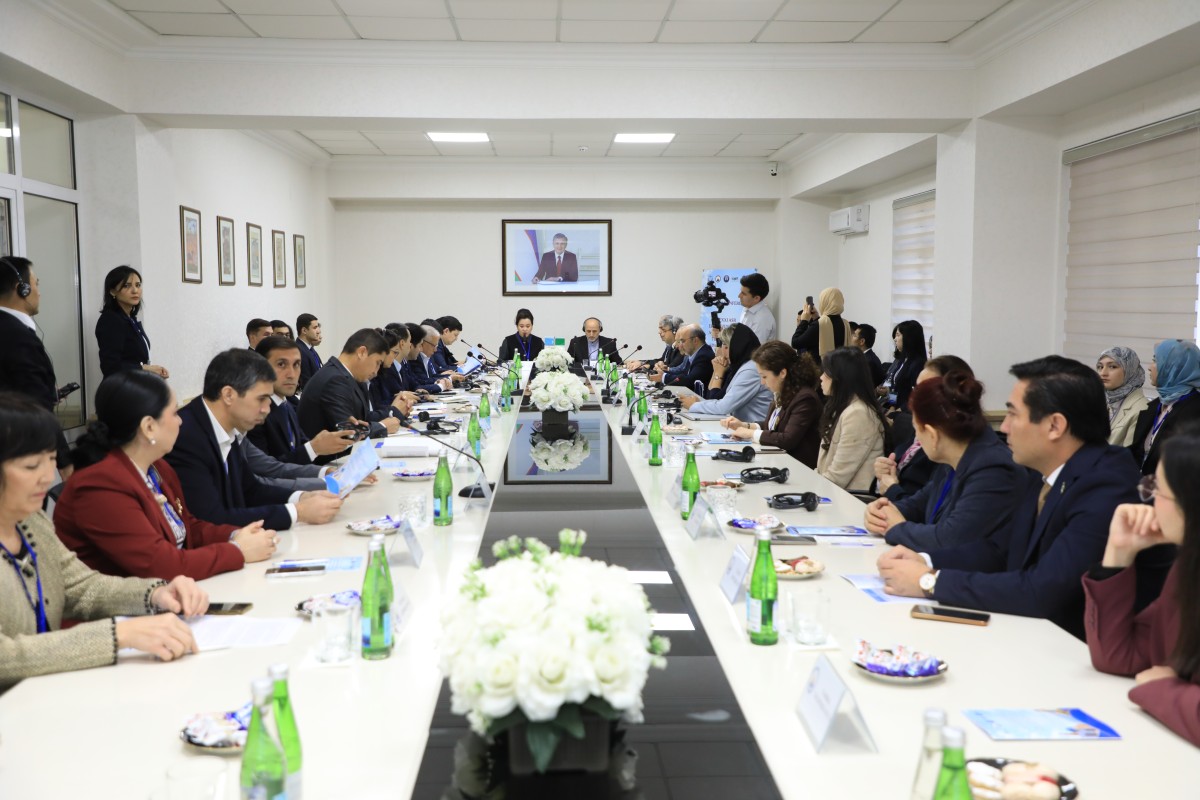
Particular attention was paid to strengthening international academic ties, advancing contemporary research in Iranian and Afghan studies, facilitating the exchange of expertise between research institutions, and encouraging the active involvement of young researchers in academic work.
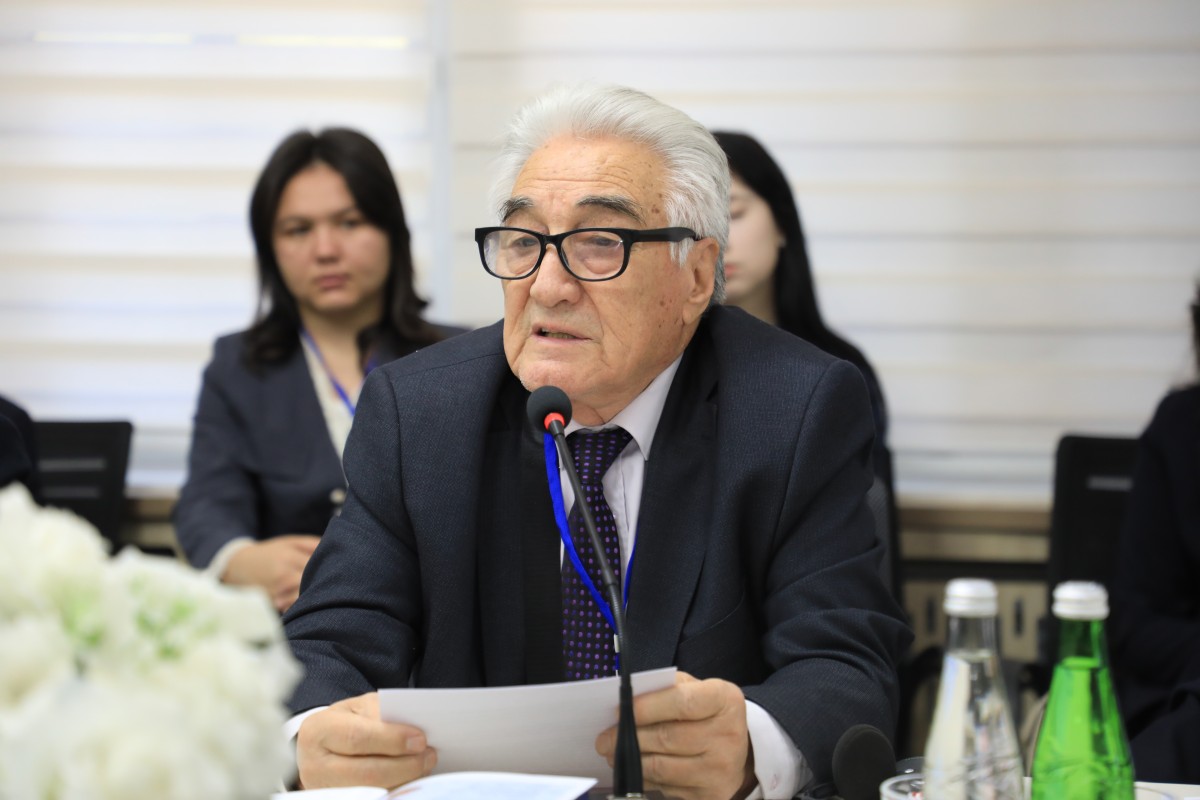
During the plenary session, participants heard presentations on Afghan-Uzbek literary relations, selected grammatical features of the Sogdian language, prospects for cooperation among research institutions in Iran, Afghanistan and Uzbekistan, contemporary Iran–Afghanistan relations, the Pashto language, Persian lexicography, and the philosophical and anthropological aspects of Zoroastrianism.
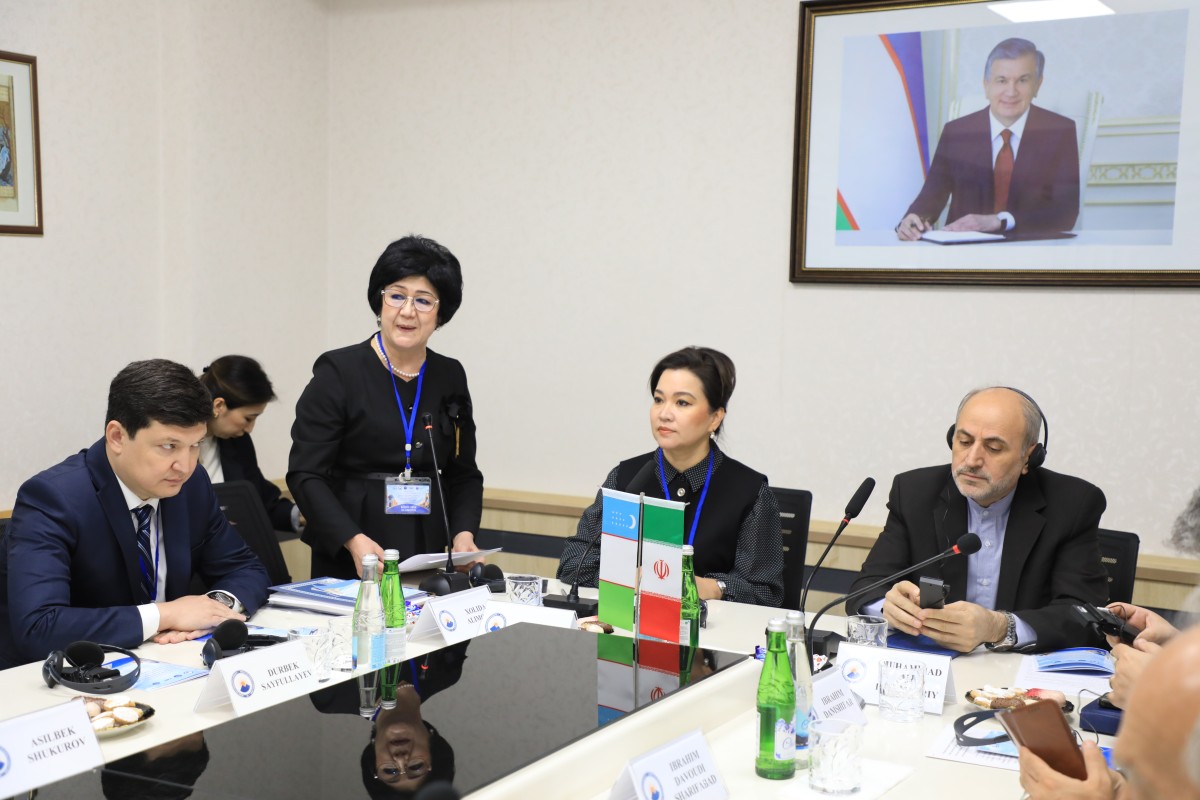
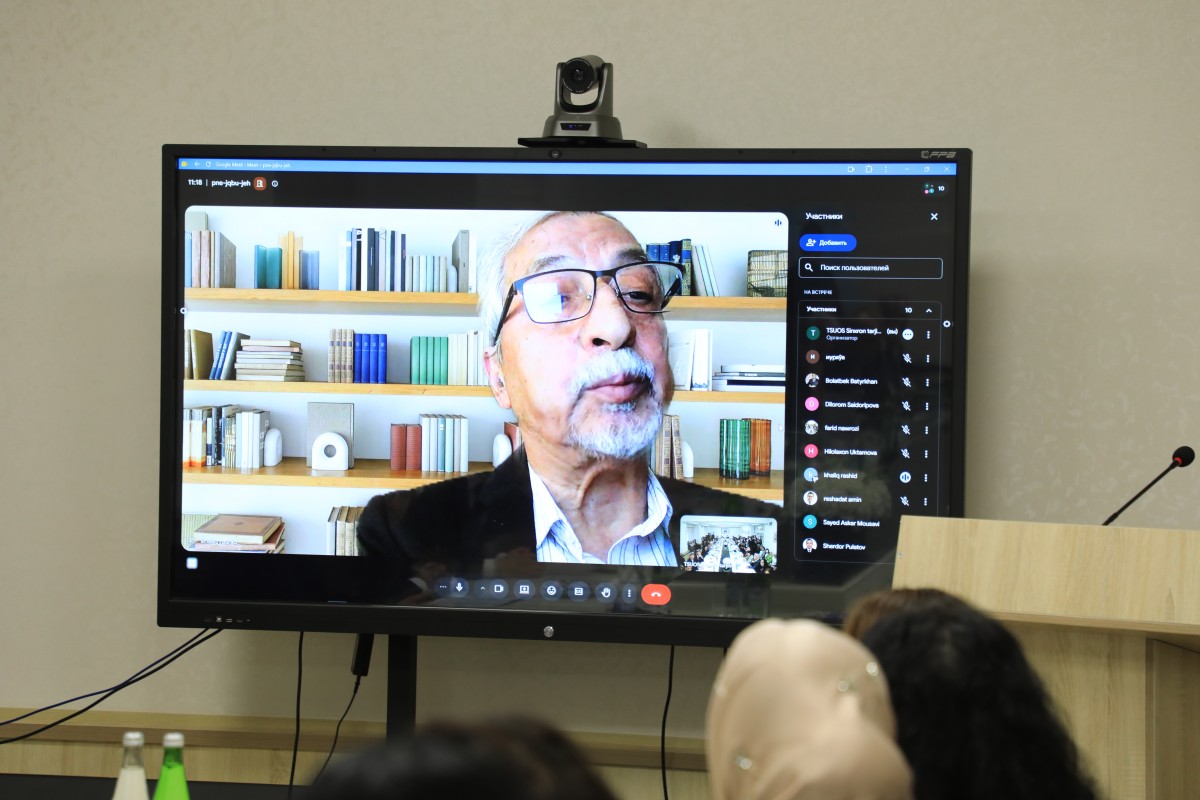
In particular, Sayyid Askar Mousavi, Professor at the University of Oxford and Director of the International Centre for Afghan Studies at Allameh Tabataba’i University, delivered a presentation on areas of cooperation among academic institutions. Scholars from Uzbekistan, Iran and other countries also discussed pressing issues in linguistics, literary studies, history and political science.
The scientific programme of the conference comprised four thematic sections.
Section I — “Current Issues in Persian, Dari and Pashto Linguistics.”
This section addressed the grammatical, lexical, linguistic and pragmatic features of Persian, Dari and Pashto; terminology; language-teaching methodologies; translation studies; and prospects for the study of Persian language and literature in Central Asia.
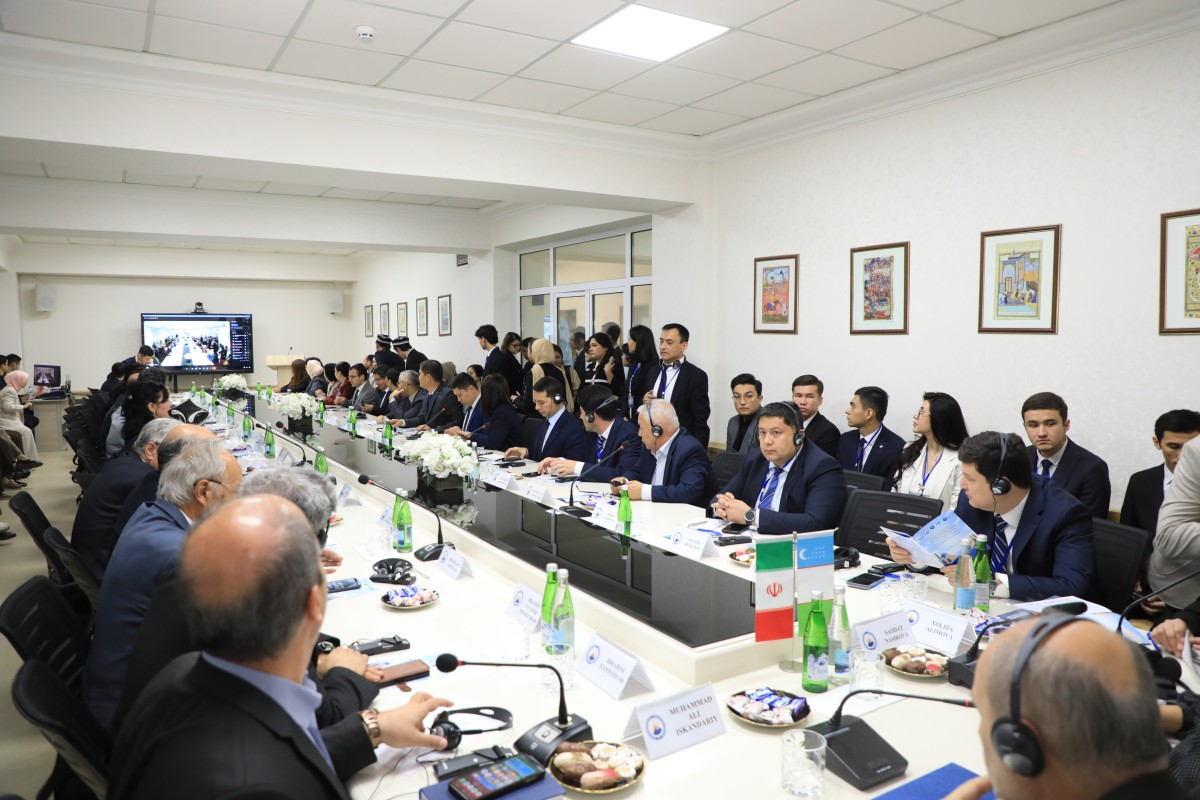
Section II — “Current Issues in Literary Studies in the 21st Century.”
Presentations in this section focused on classical and contemporary Persian literature, literary developments in Iran and Afghanistan, literary imagery, poetry, prose, textual studies and translation-related issues.
Section III — “Social Thought among Persian-Speaking Peoples: Philosophy, Sufism and Culture.”
Discussions explored the philosophical heritage of Persian-speaking peoples, Sufism, social thought, moral development, cultural identity, and historical and cultural relations.
Section IV — “Socio-Political and Historical Processes in Iran and Afghanistan and Contemporary International Relations.”
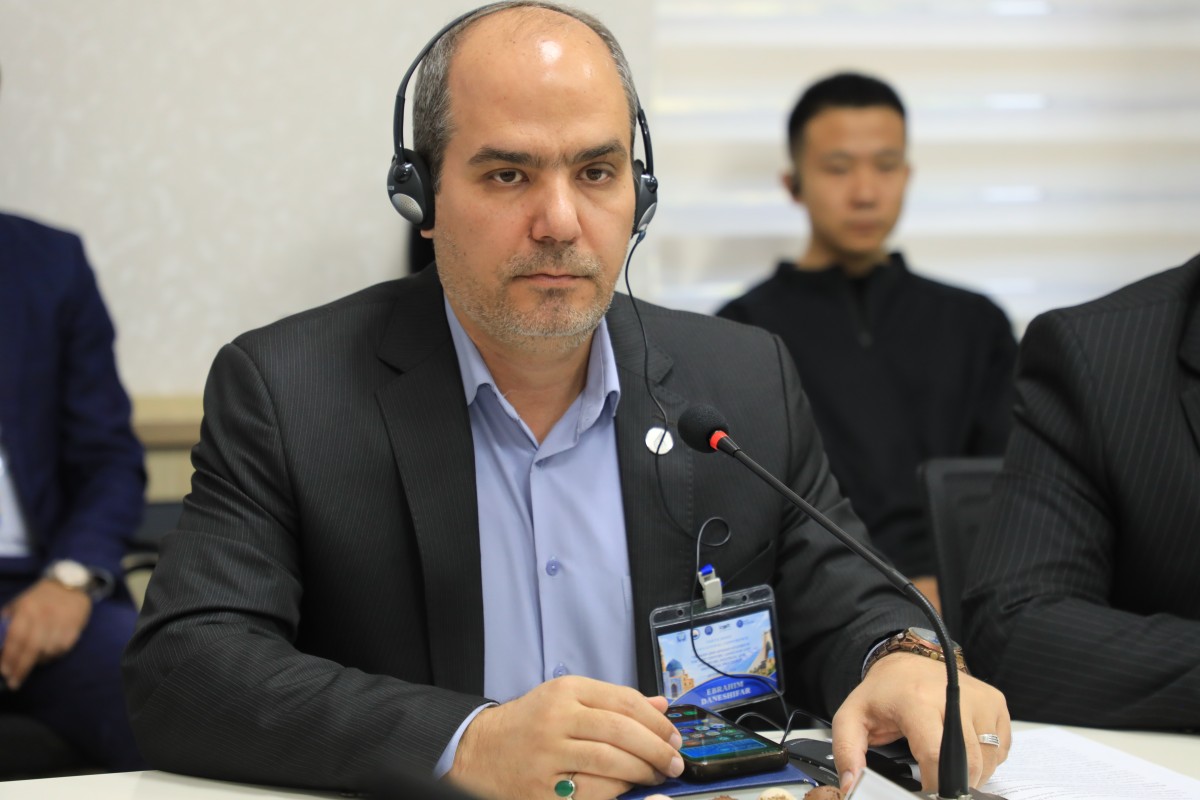
This section examined the historical development of Iran and Afghanistan, contemporary political processes, regional security, international relations, migration, economic ties, and cooperation with Central Asian countries.
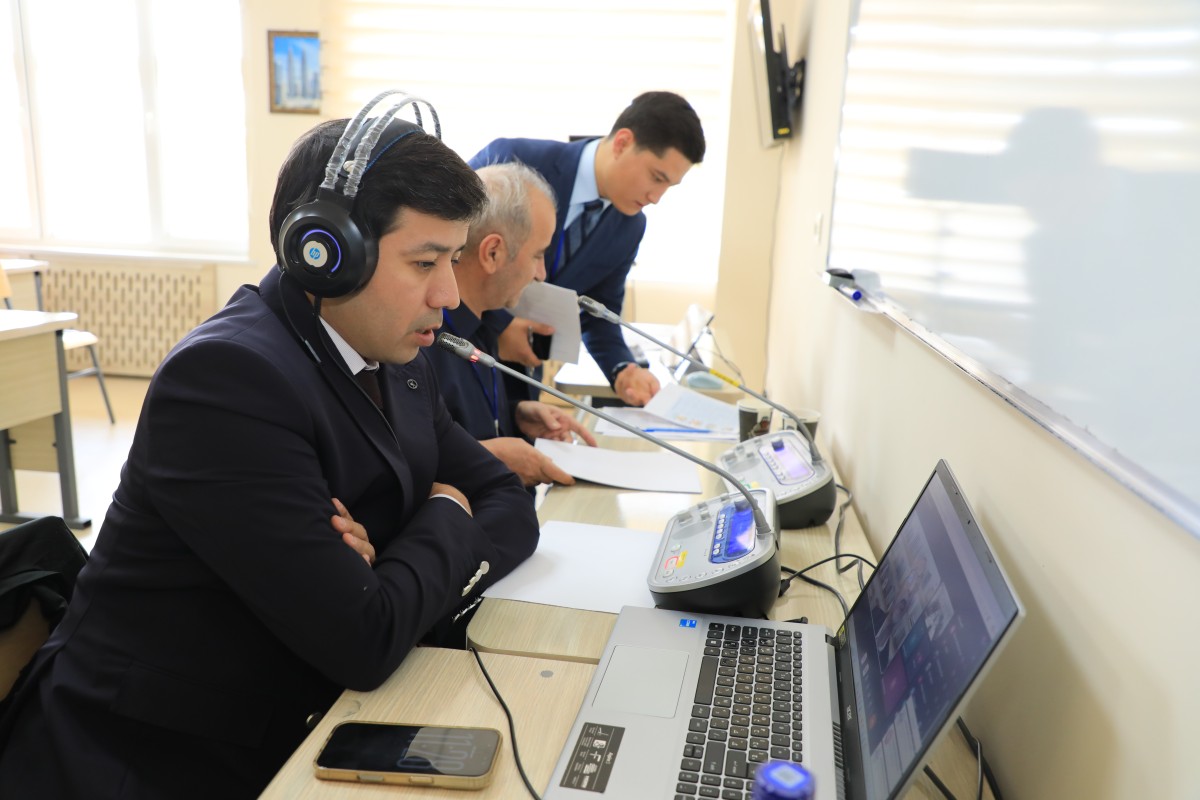
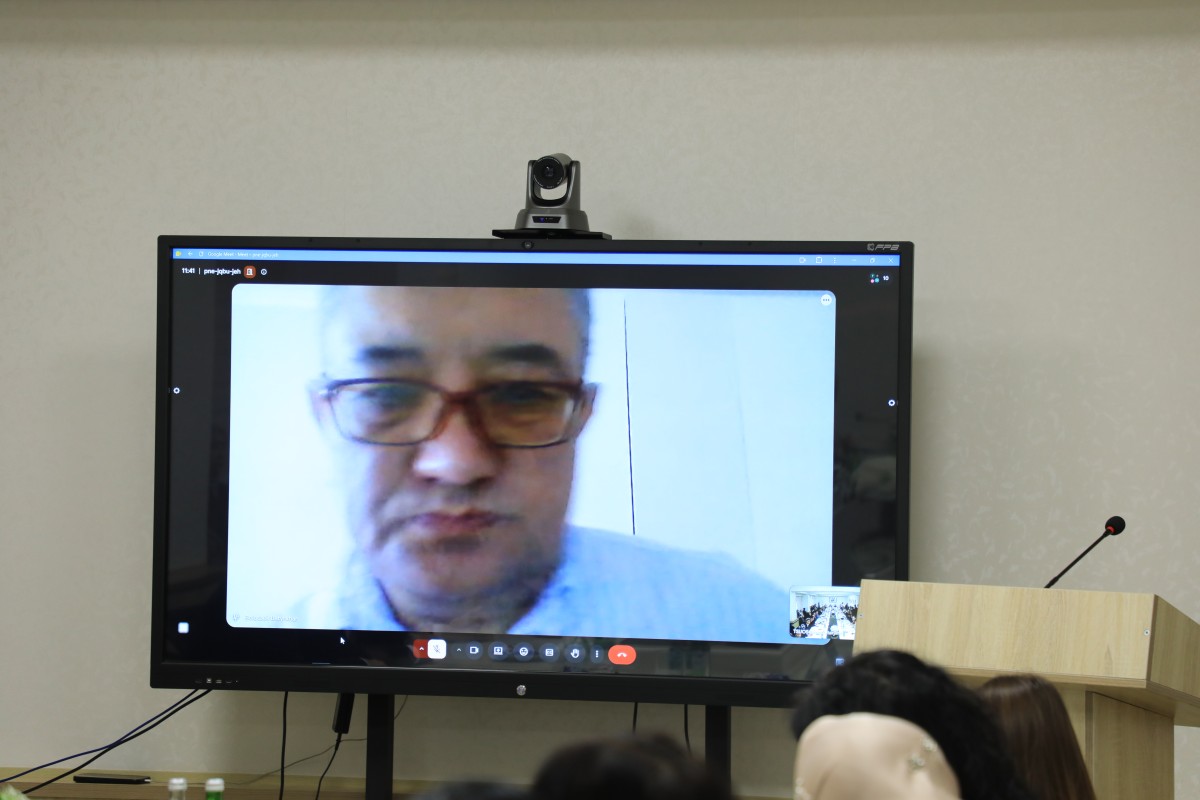
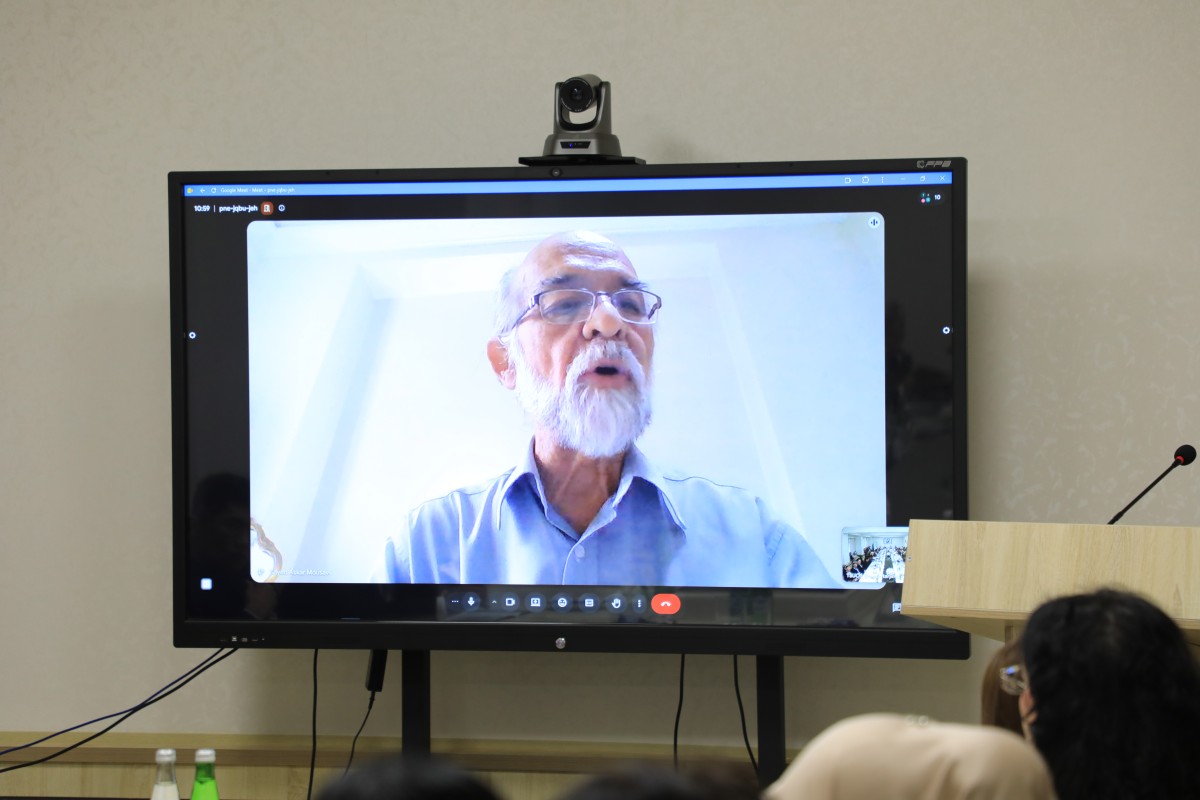
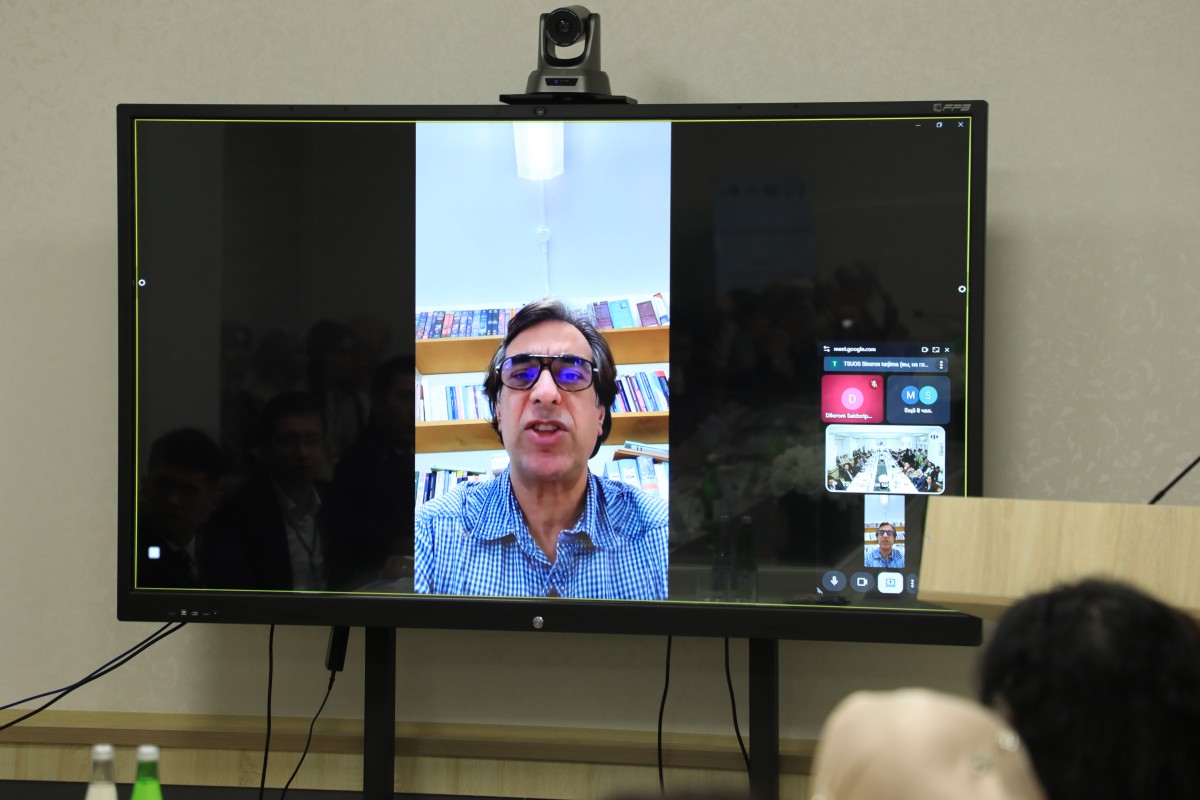
Researchers and representatives of academic and educational institutions from Uzbekistan, Iran, Afghanistan, Azerbaijan, Türkiye, Kazakhstan, Ukraine, Bangladesh and other countries delivered presentations during the sectional sessions. Some participants joined remotely as part of international academic cooperation.
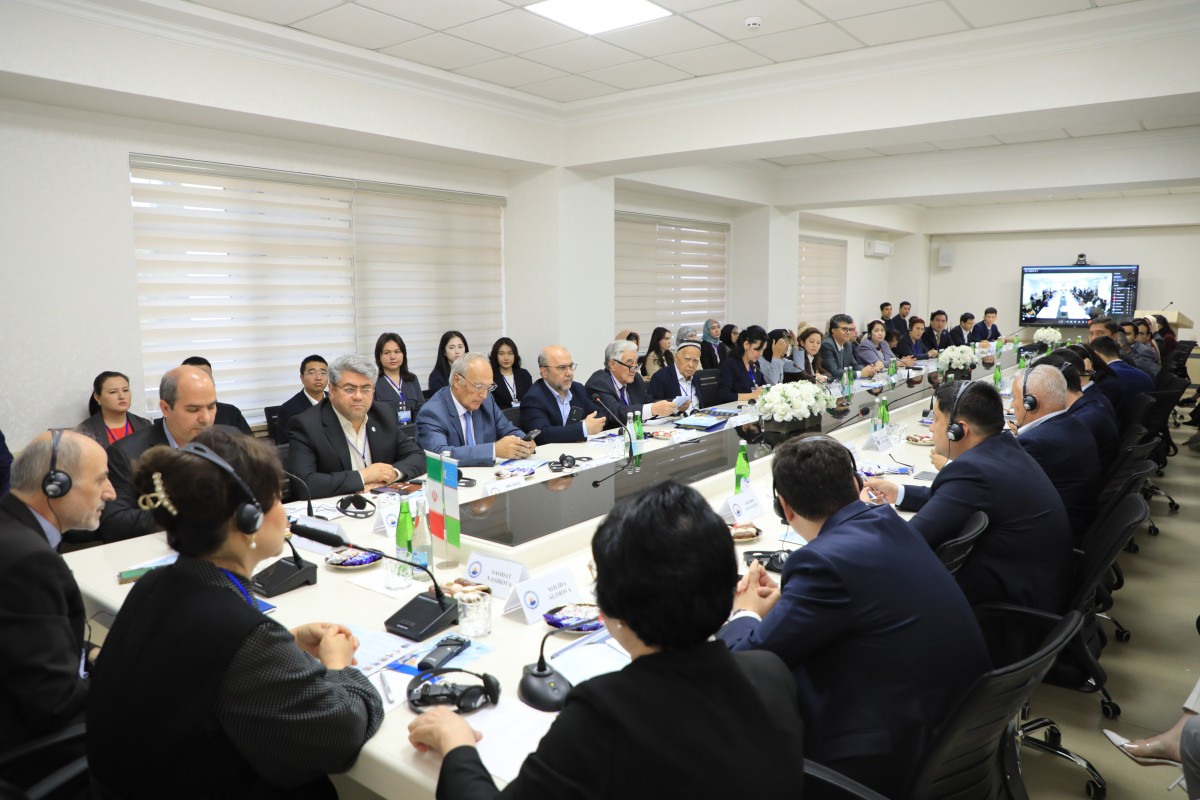
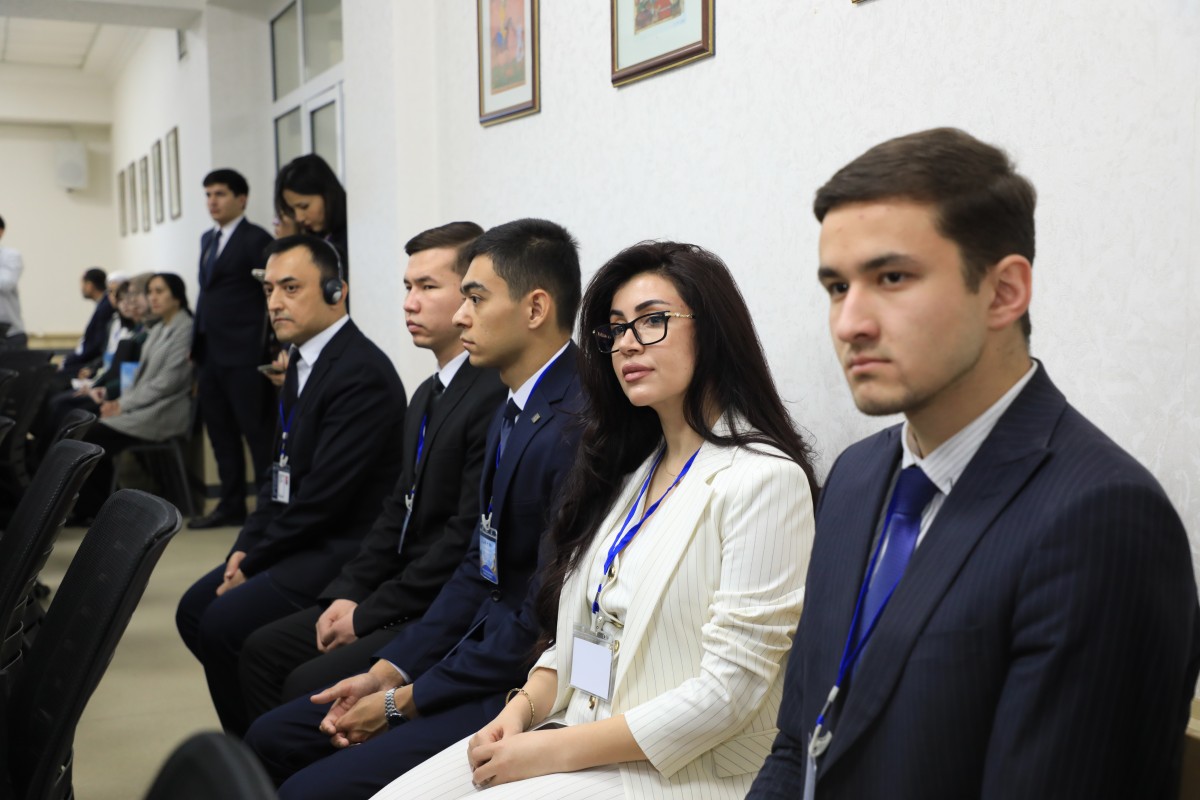
Alongside professors, lecturers and experienced scholars, the conference welcomed doctoral students, independent researchers, master’s students and undergraduate students, who presented their own research.
Young researchers delivered presentations on the distinctive features of Persian, Dari and Pashto; classical literary heritage; historical source studies; the political history of Iran and Afghanistan; cultural relations; and contemporary international relations.
The conference provided young scholars with valuable opportunities to exchange academic experience, present their research to the international academic community, engage in discussions with foreign experts, and establish contacts for future research collaboration.
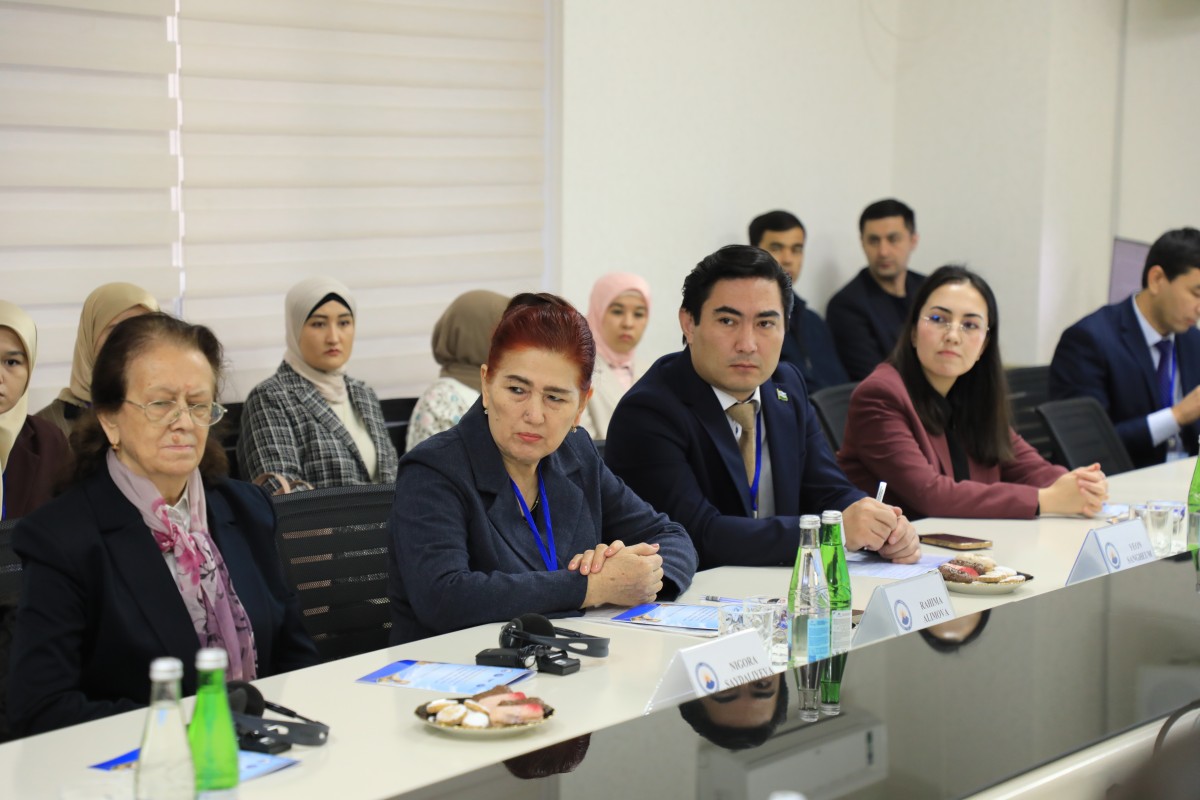
The conference contributed to the further advancement of research in Iranian and Afghan studies, the in-depth exploration of historical and cultural heritage, the scholarly analysis of contemporary political processes, and the strengthening of international academic cooperation.
At the conclusion of the event, participants exchanged views on the presentations, engaged in discussions and debates, and highlighted the significance of the scientific issues addressed during the conference.
This international scientific gathering represented an important aspect of the Tashkent State University of Oriental Studies’ ongoing efforts to study the languages, literature, history and culture of Eastern countries, examine contemporary political processes, expand international academic relations, and support young researchers.
Social networks:
