






International Scientific seminar on the History of Statehood and Sovereignty in Central Asia Kicks Off at Tashkent State University of Oriental Studies
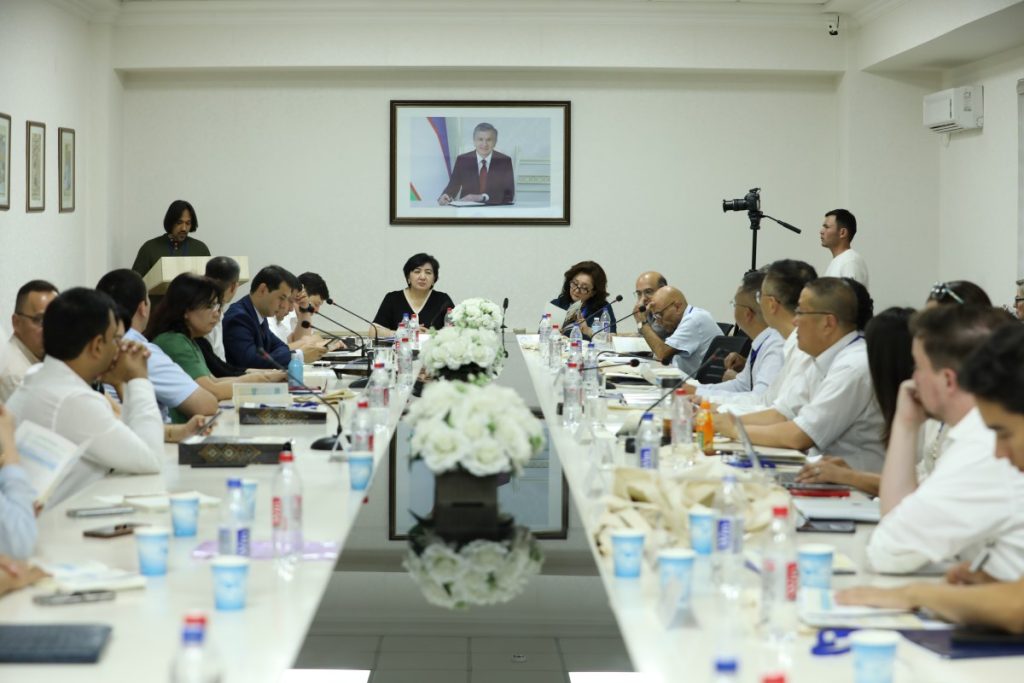
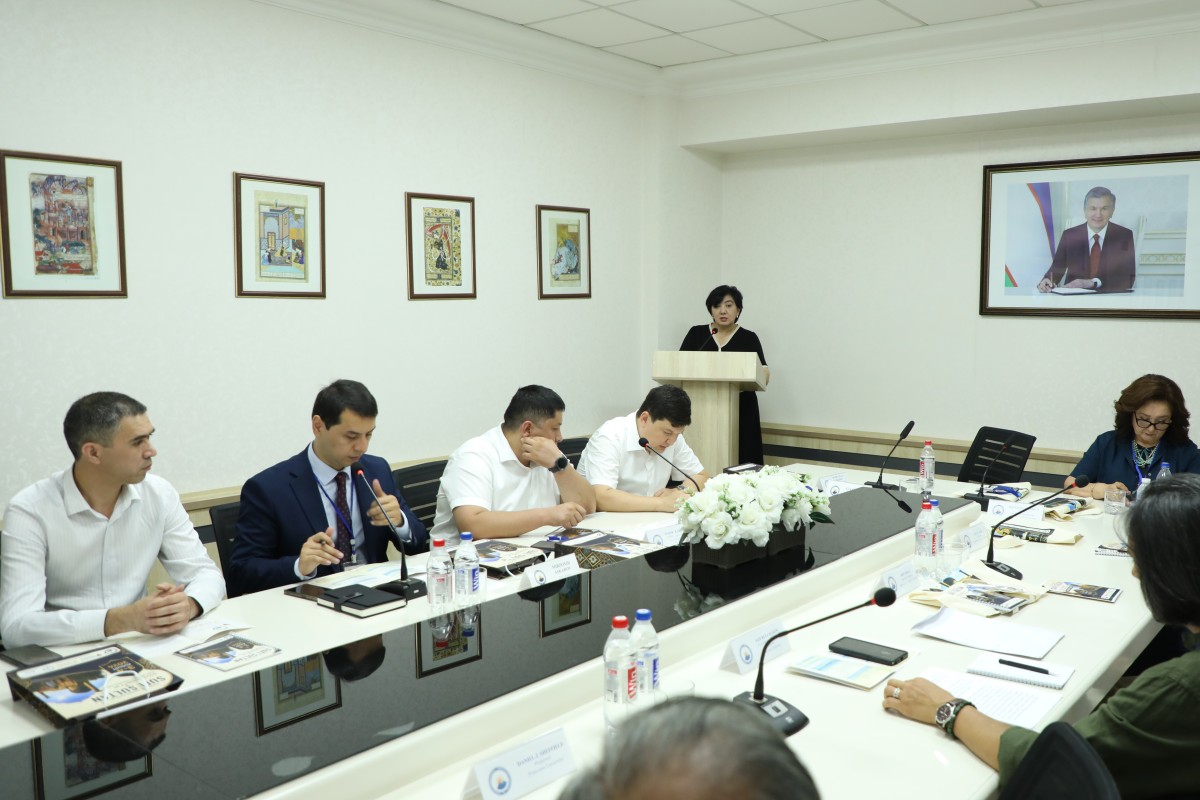
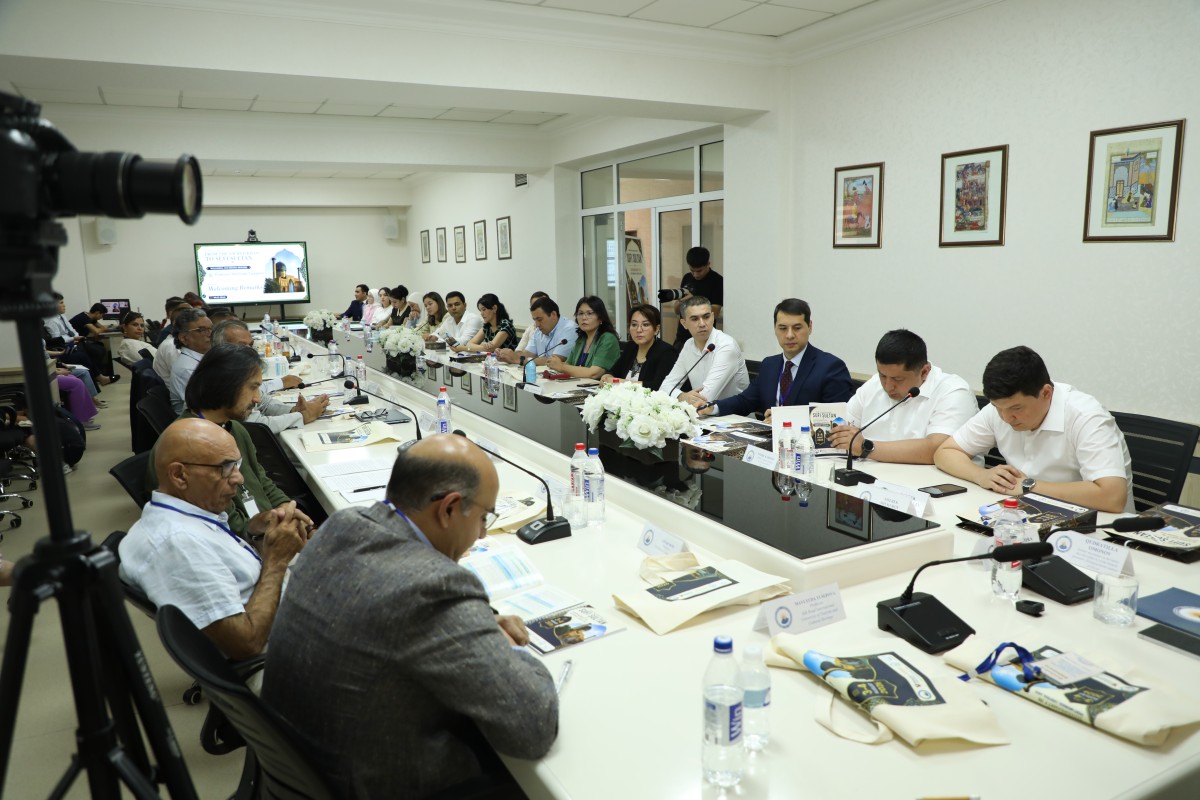
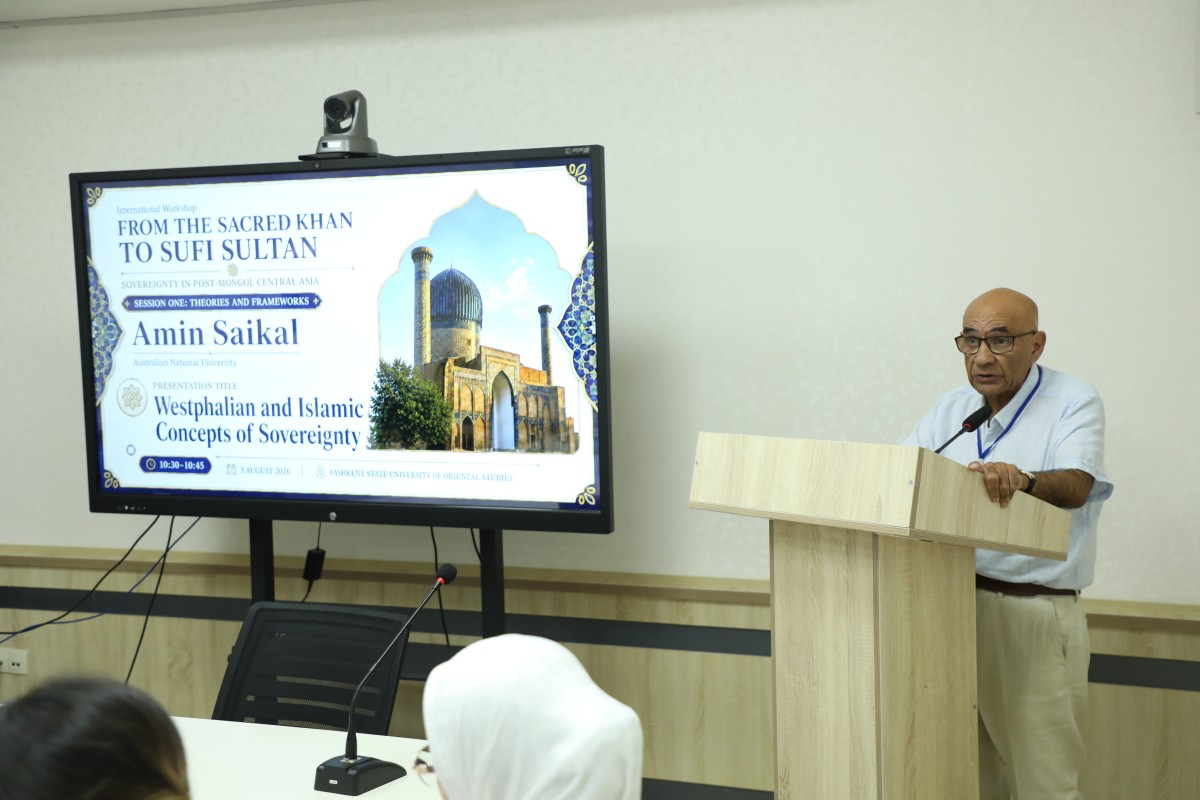
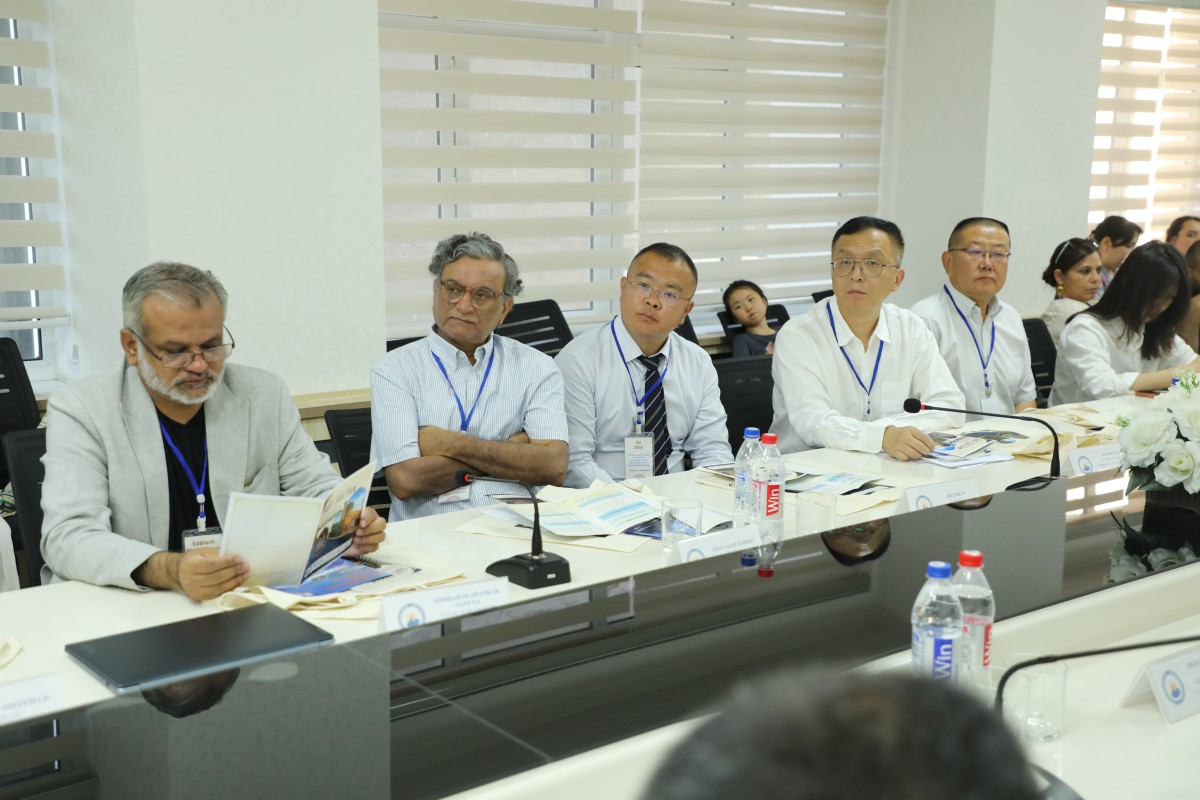
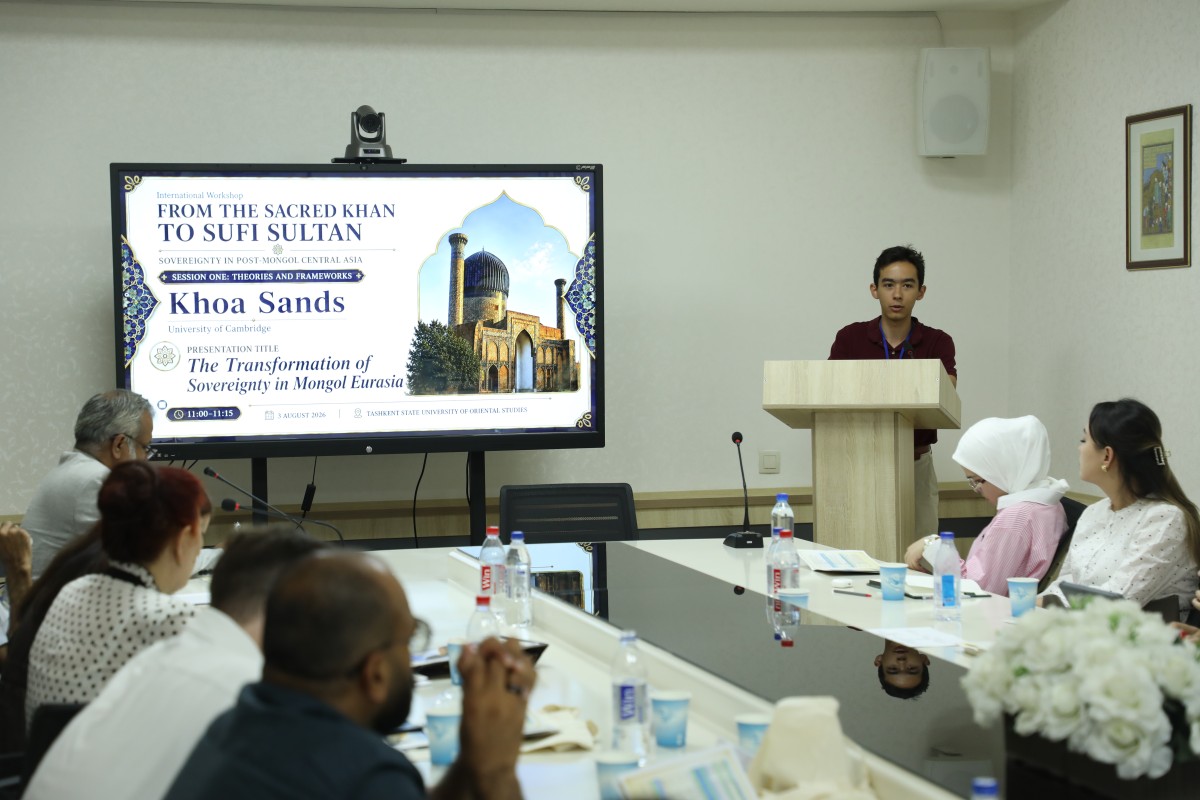
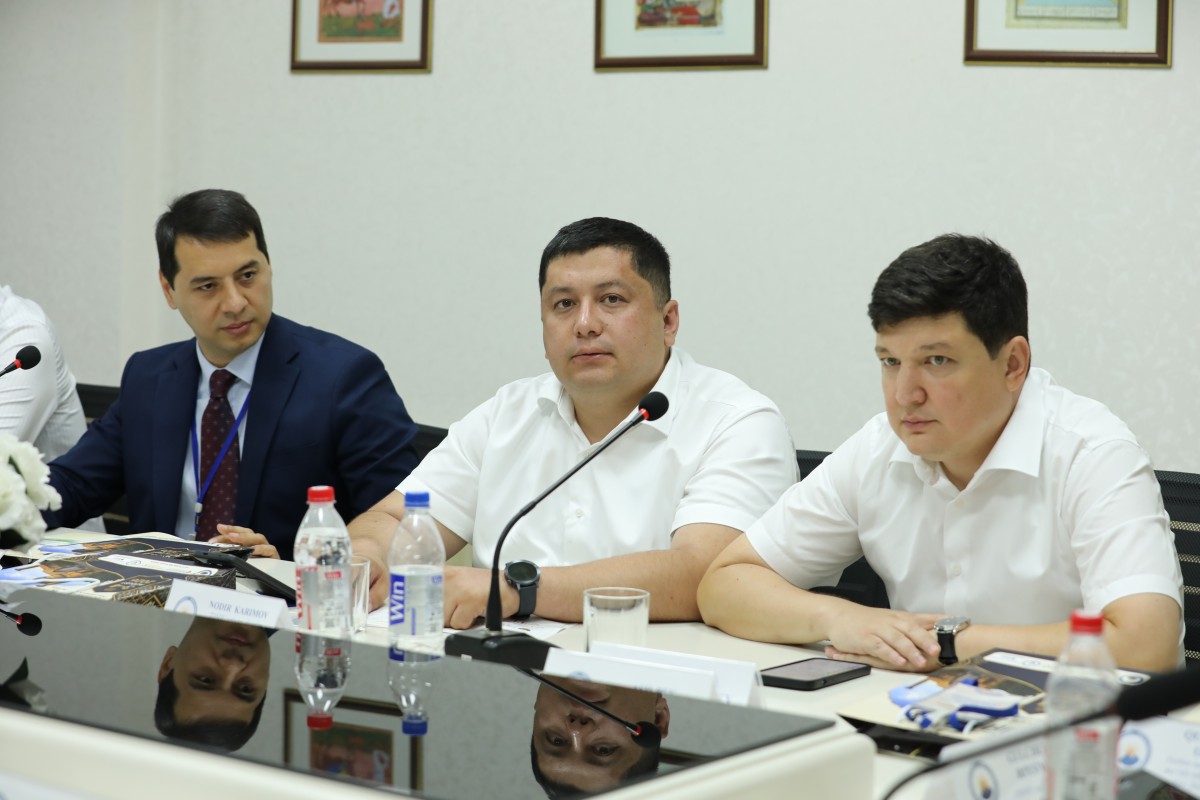
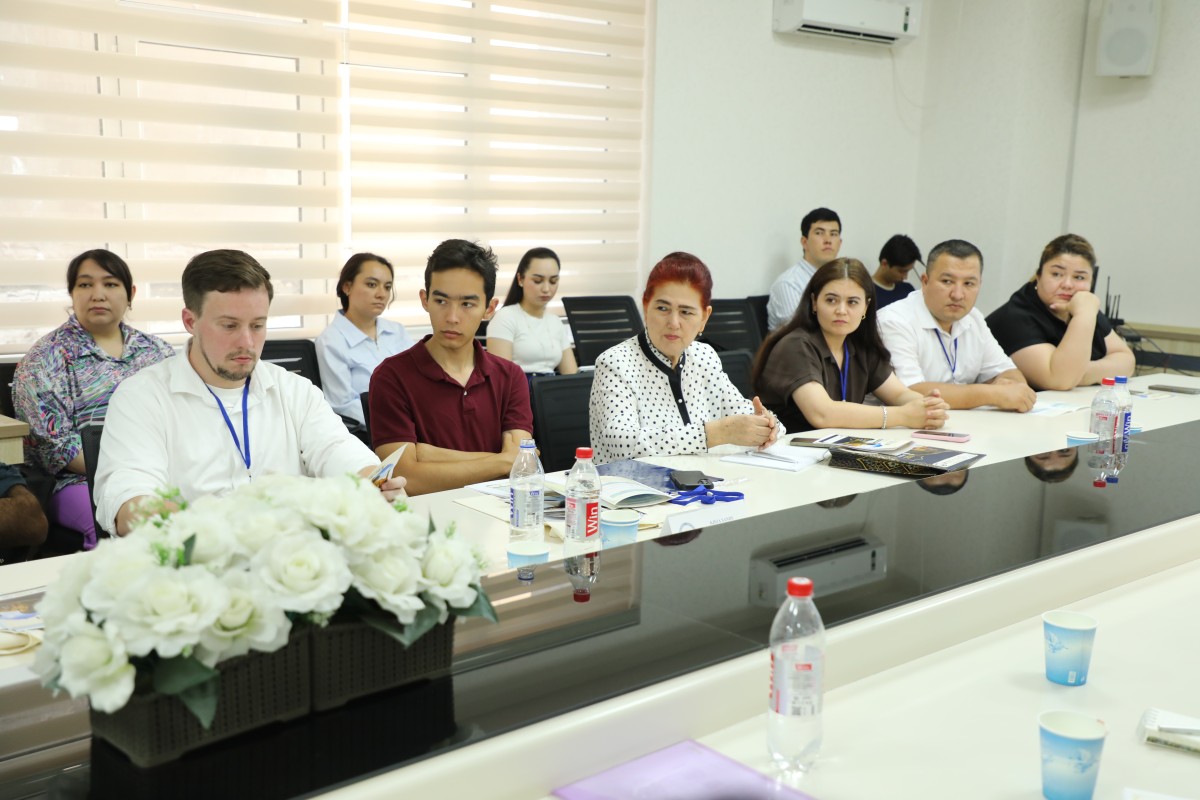
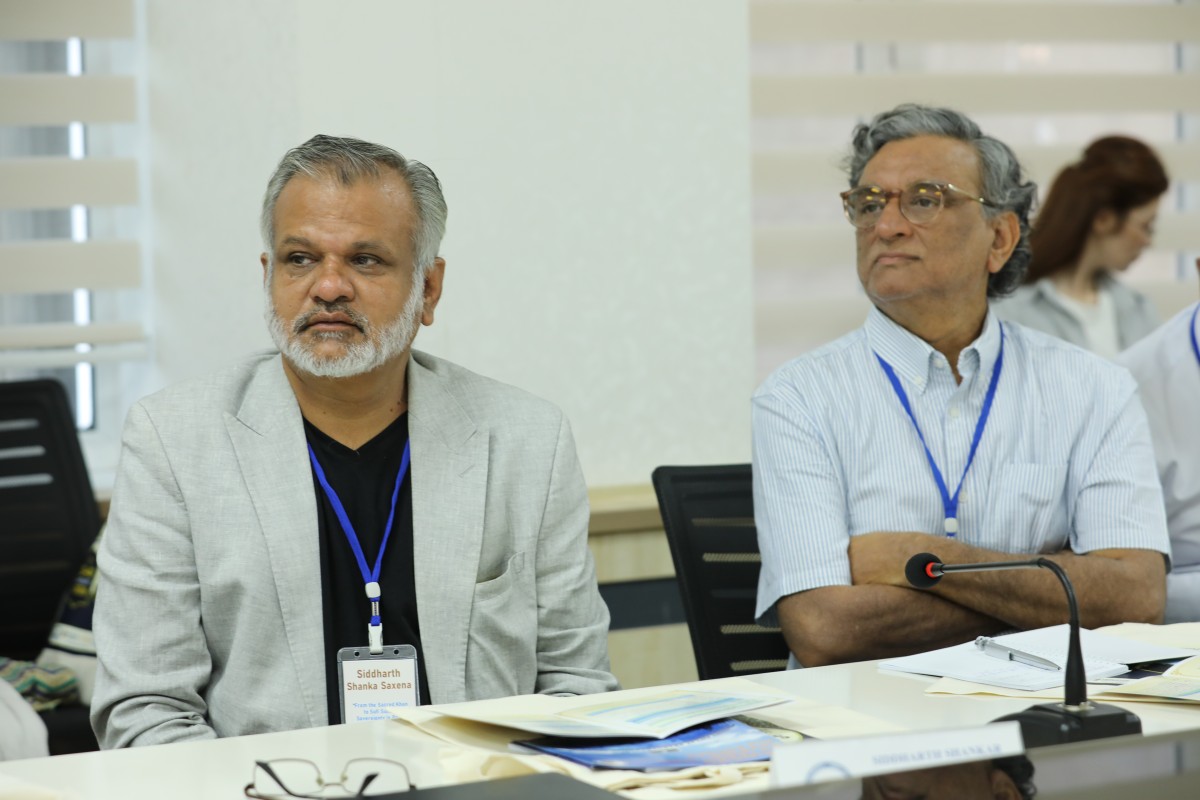
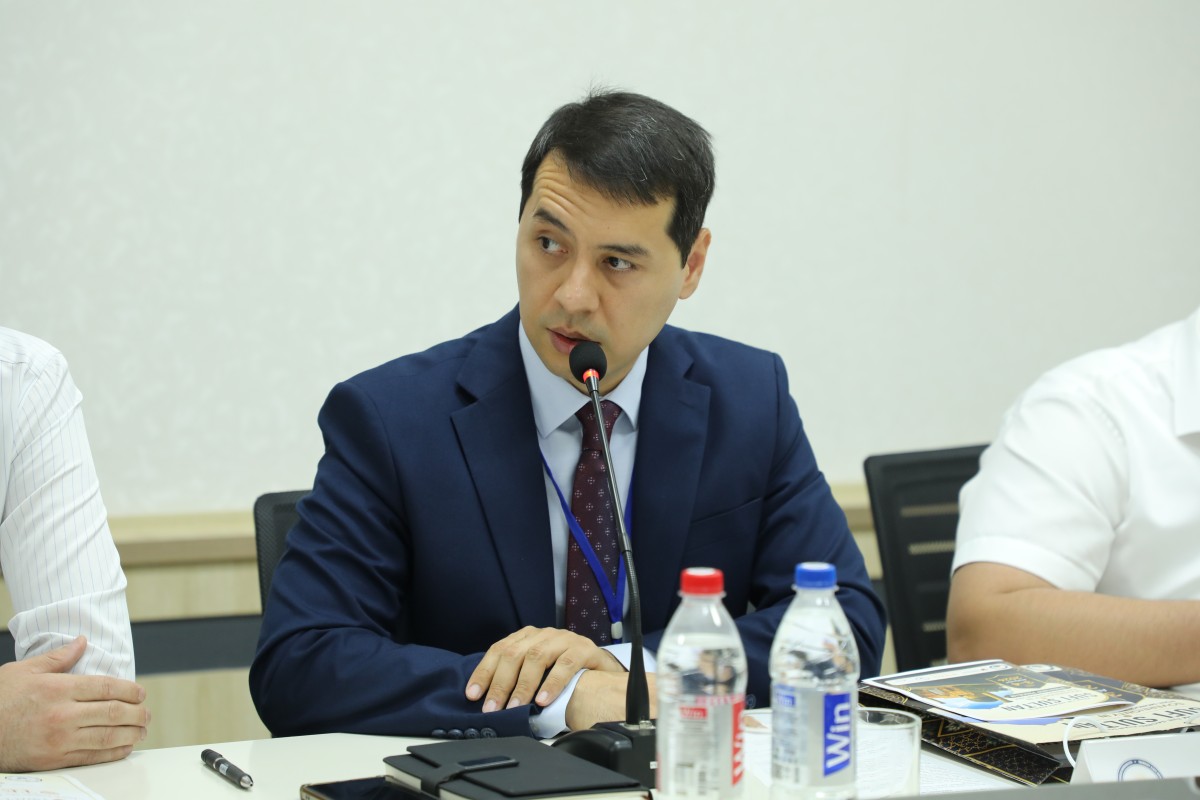
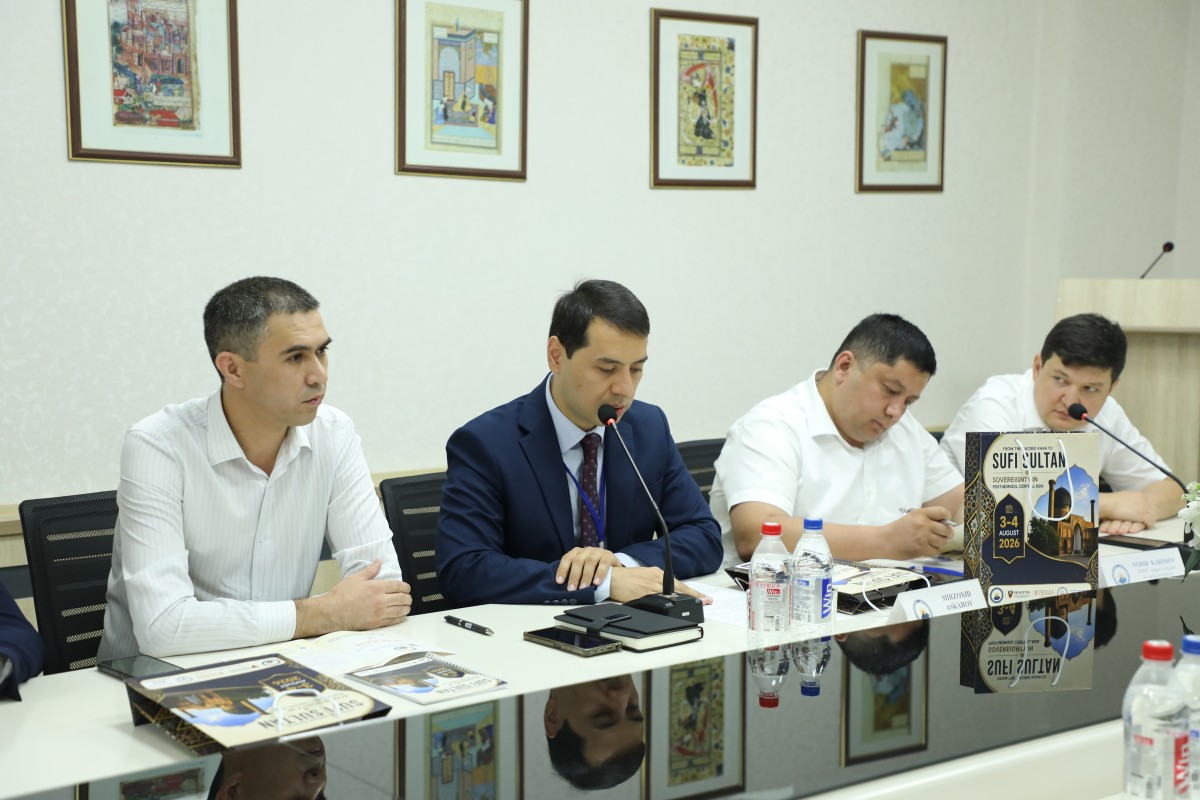
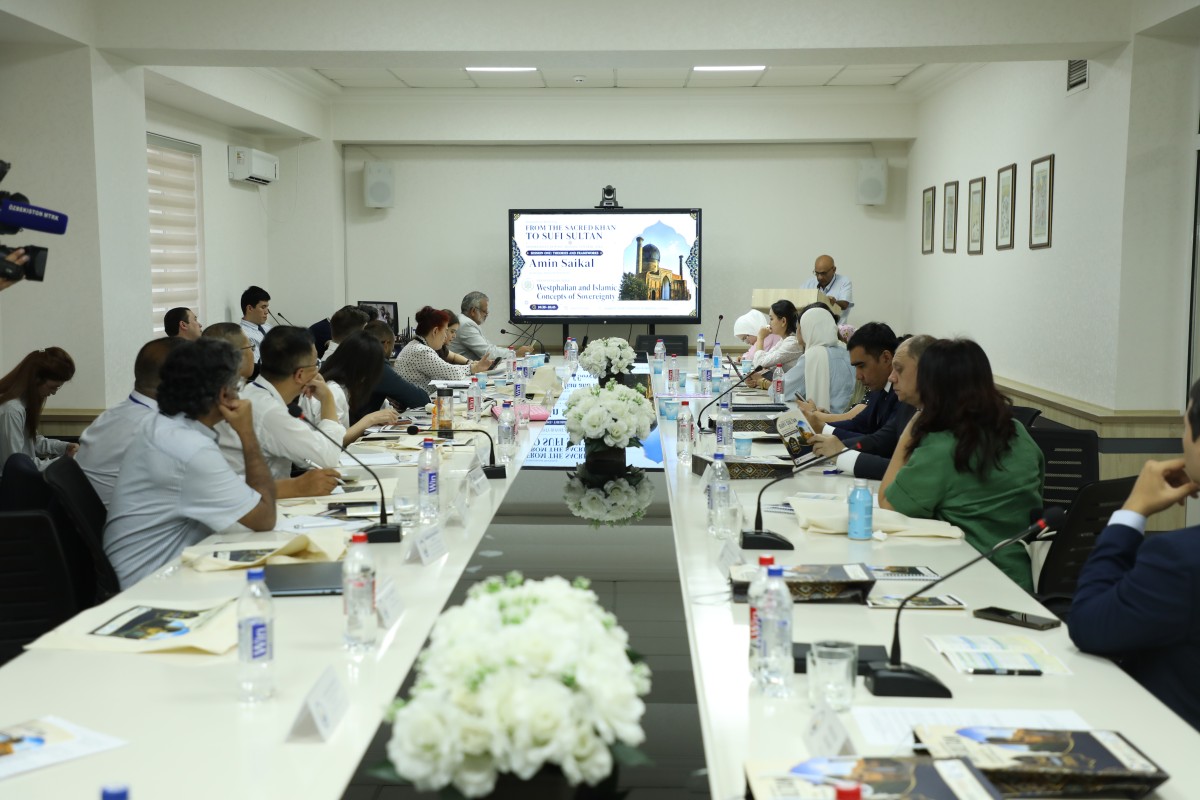
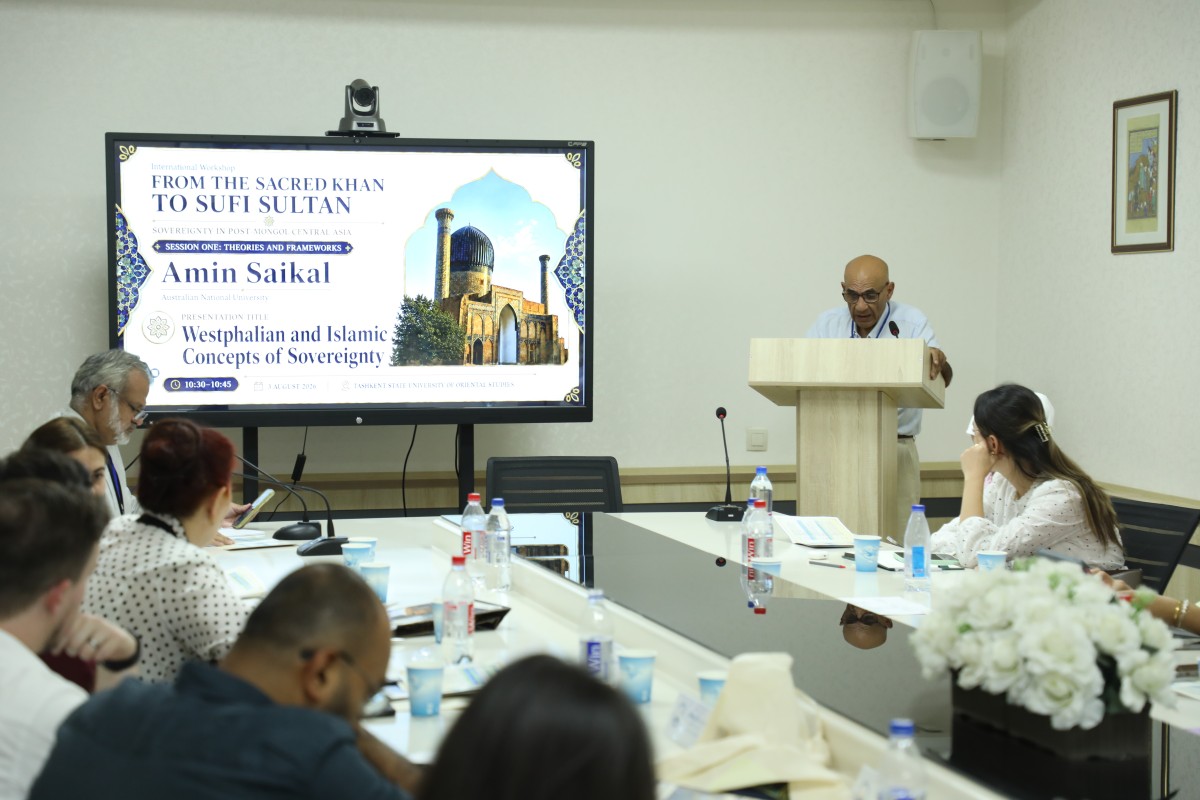
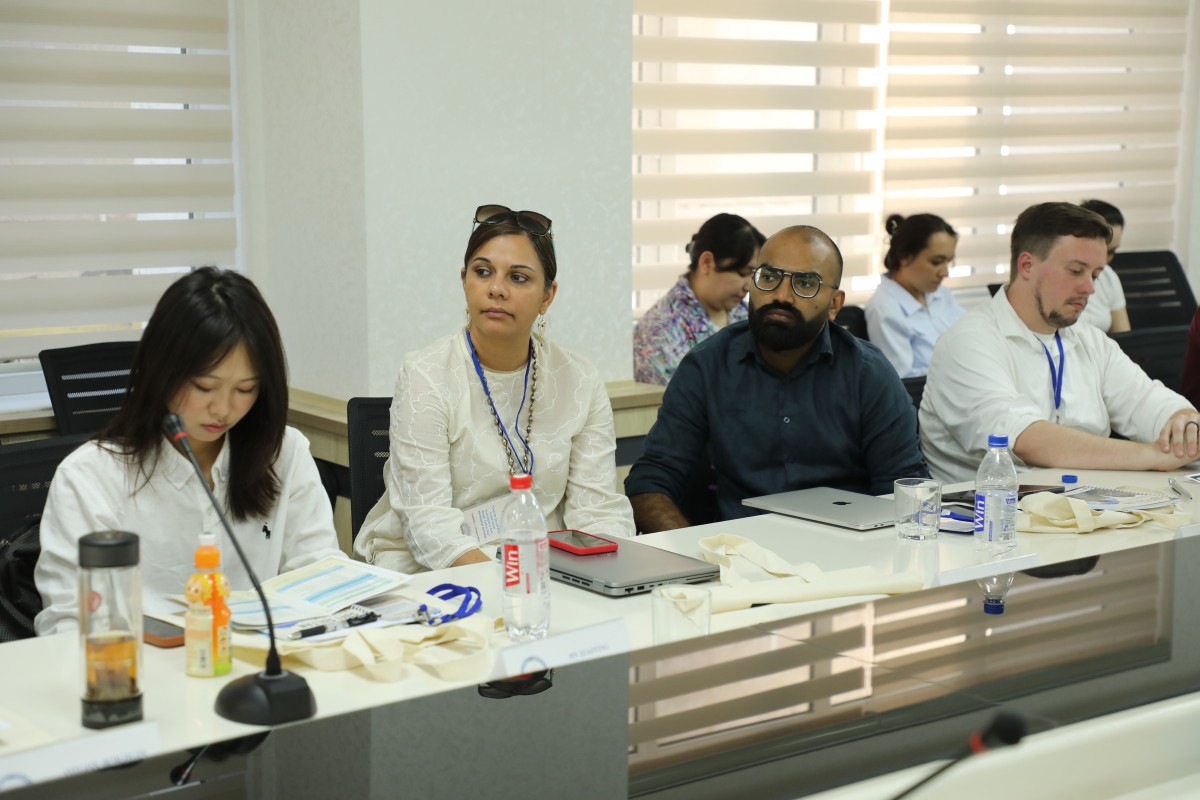
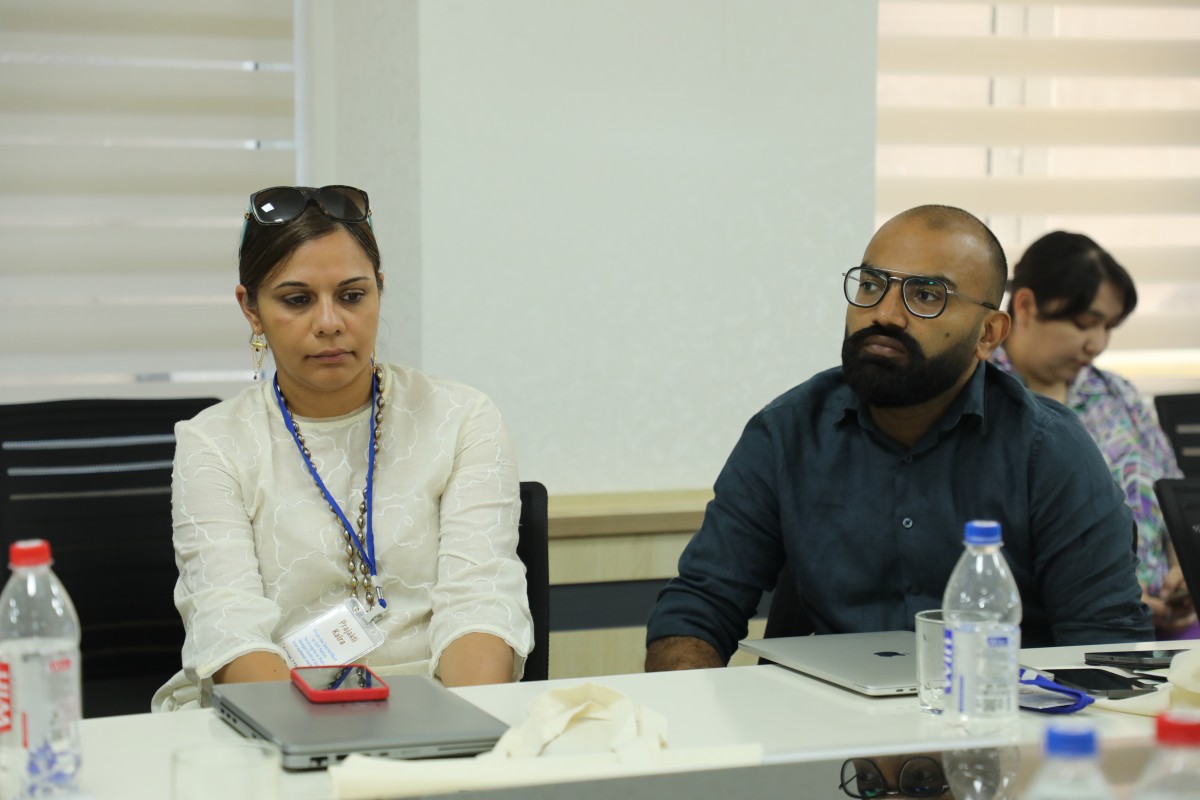
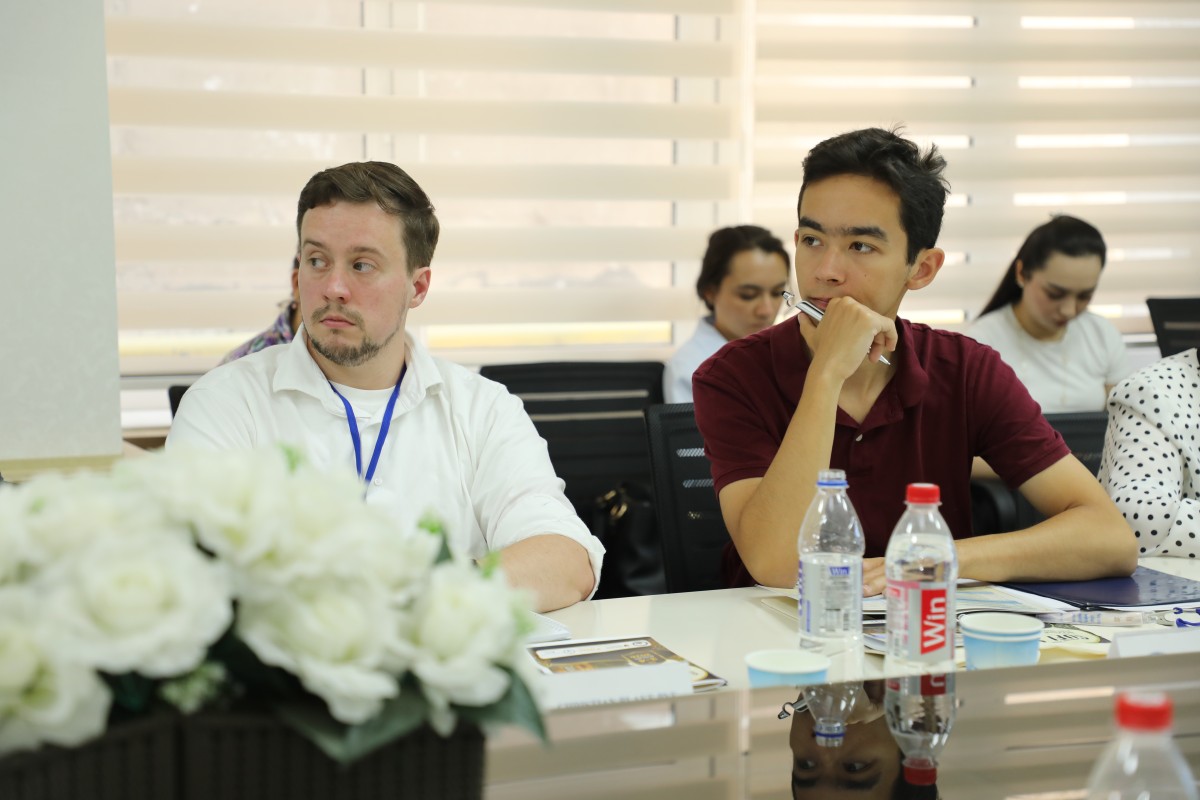
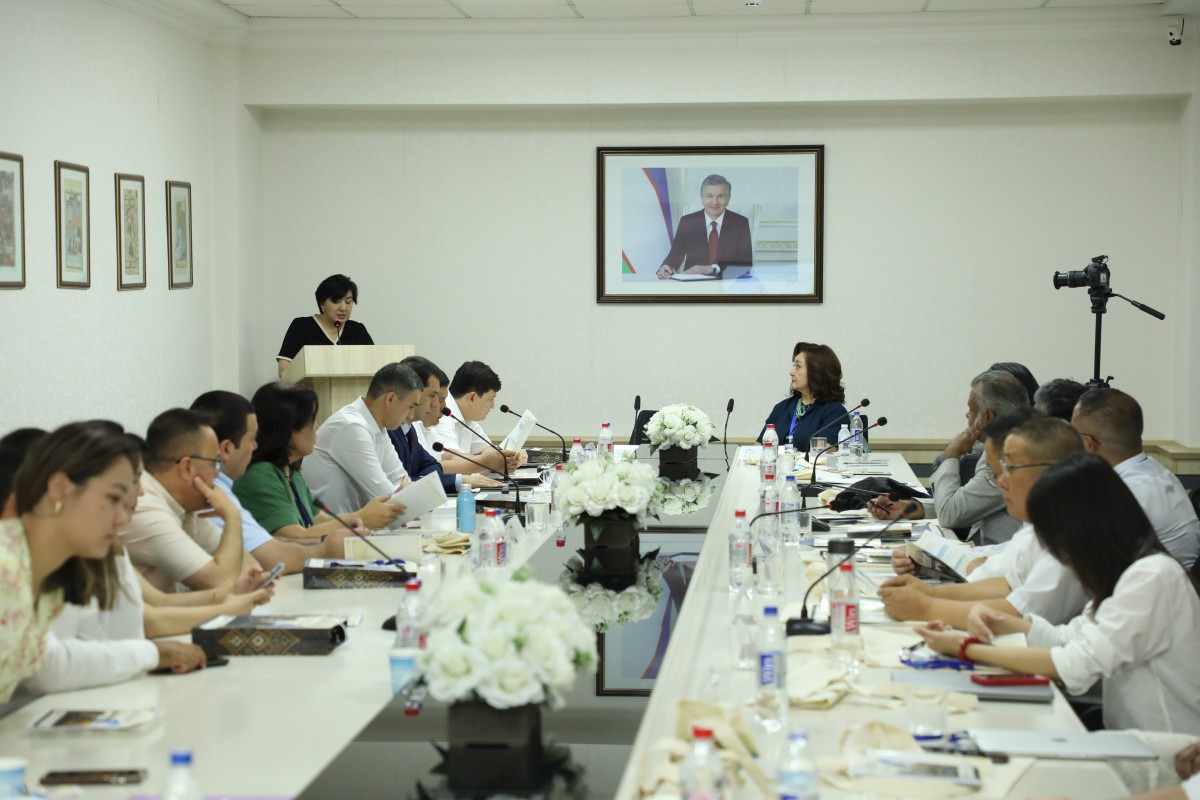
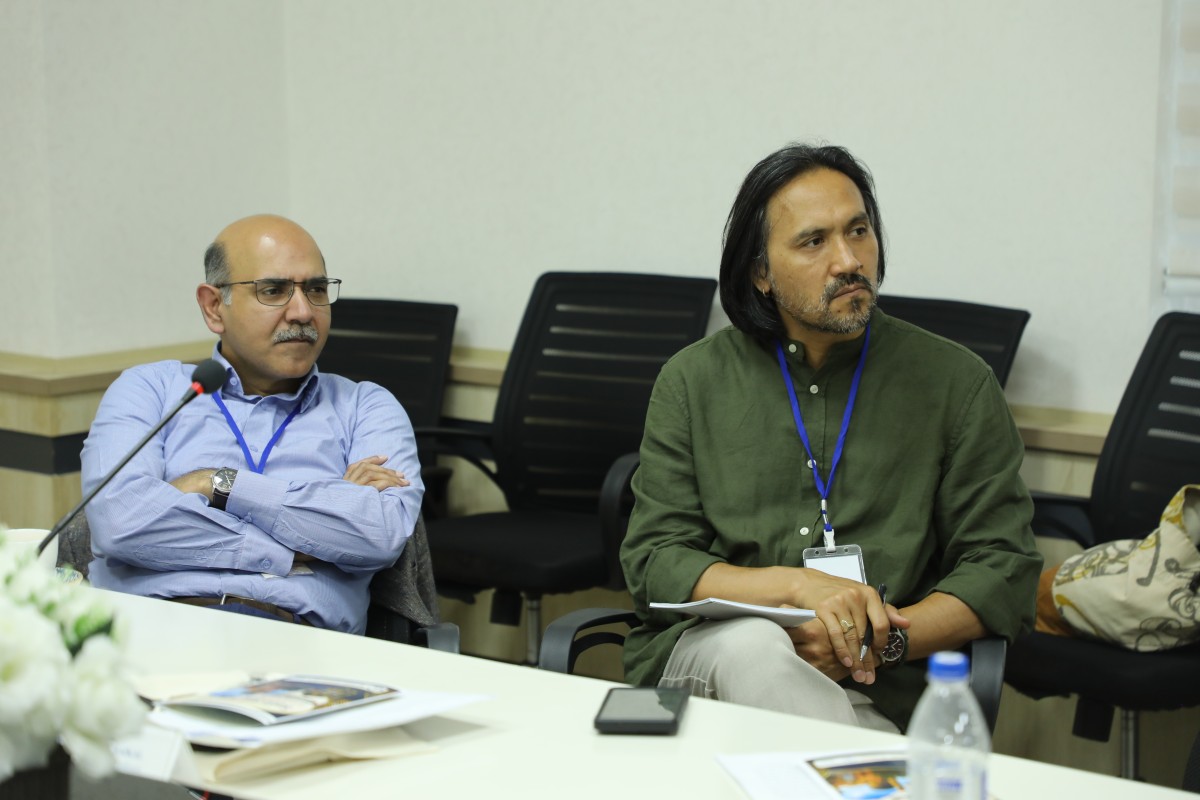
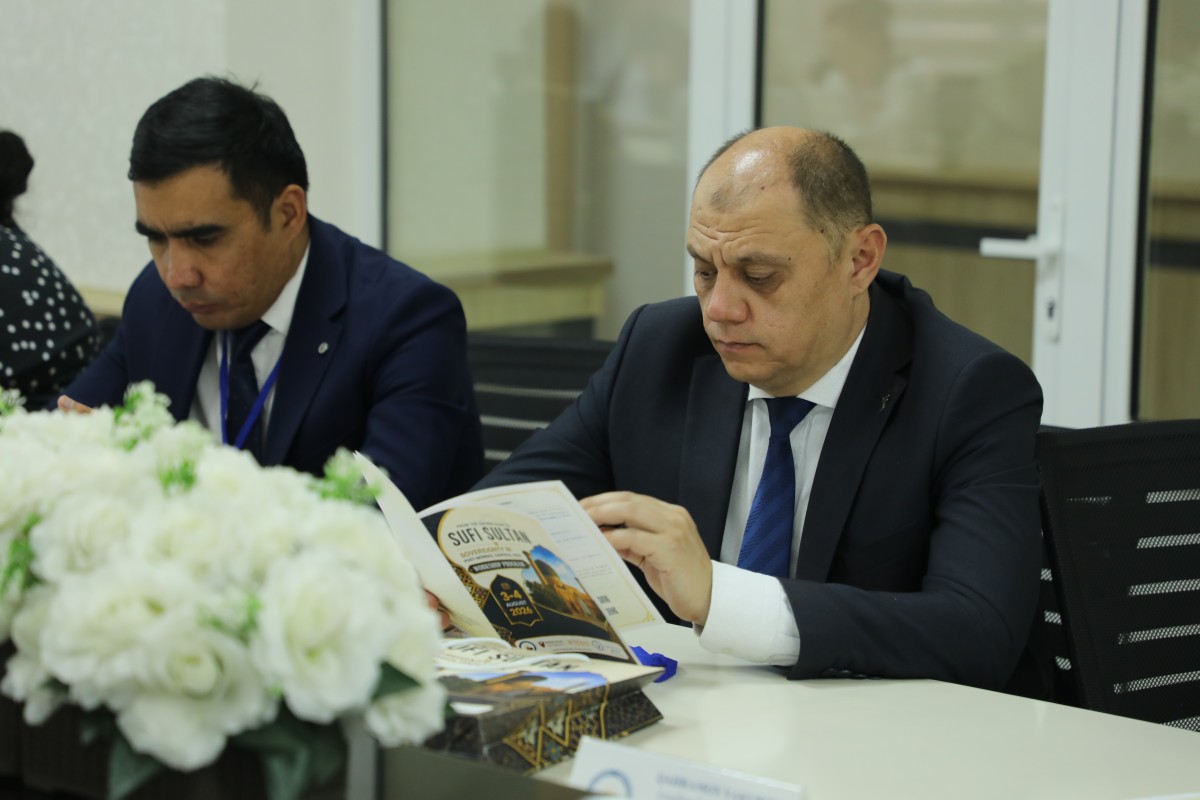
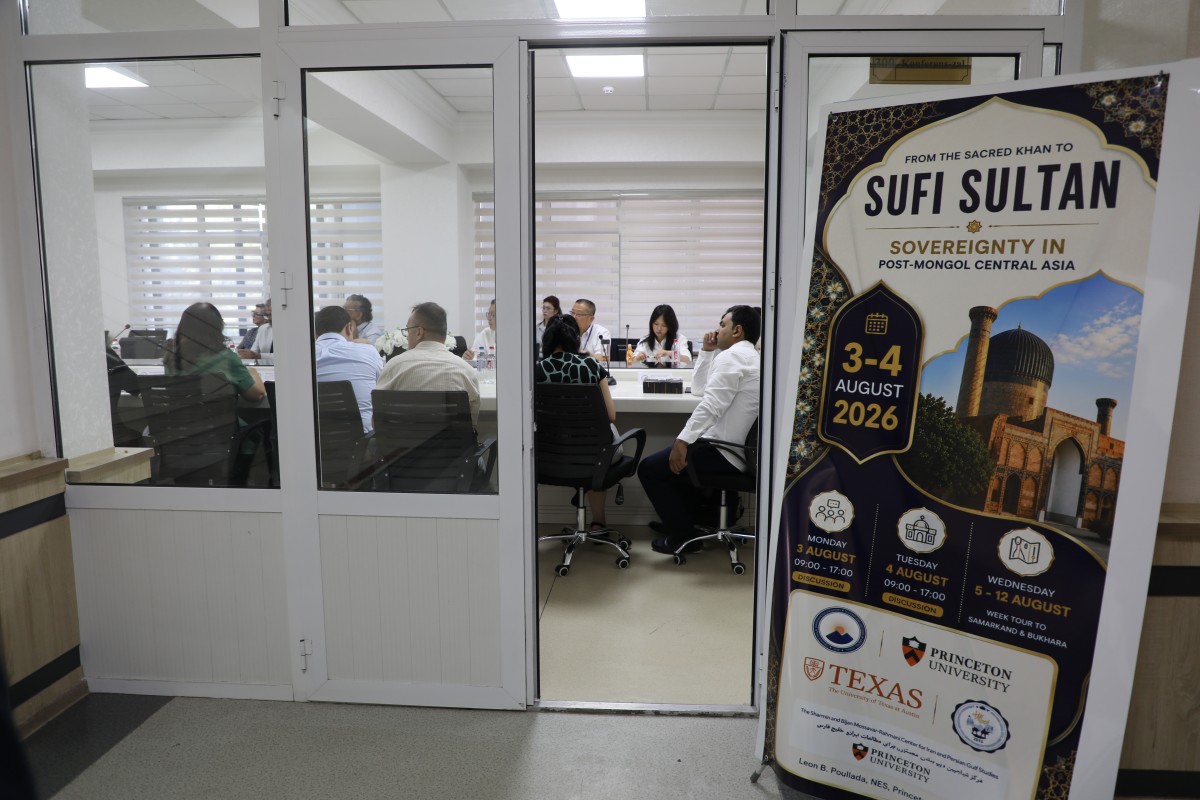
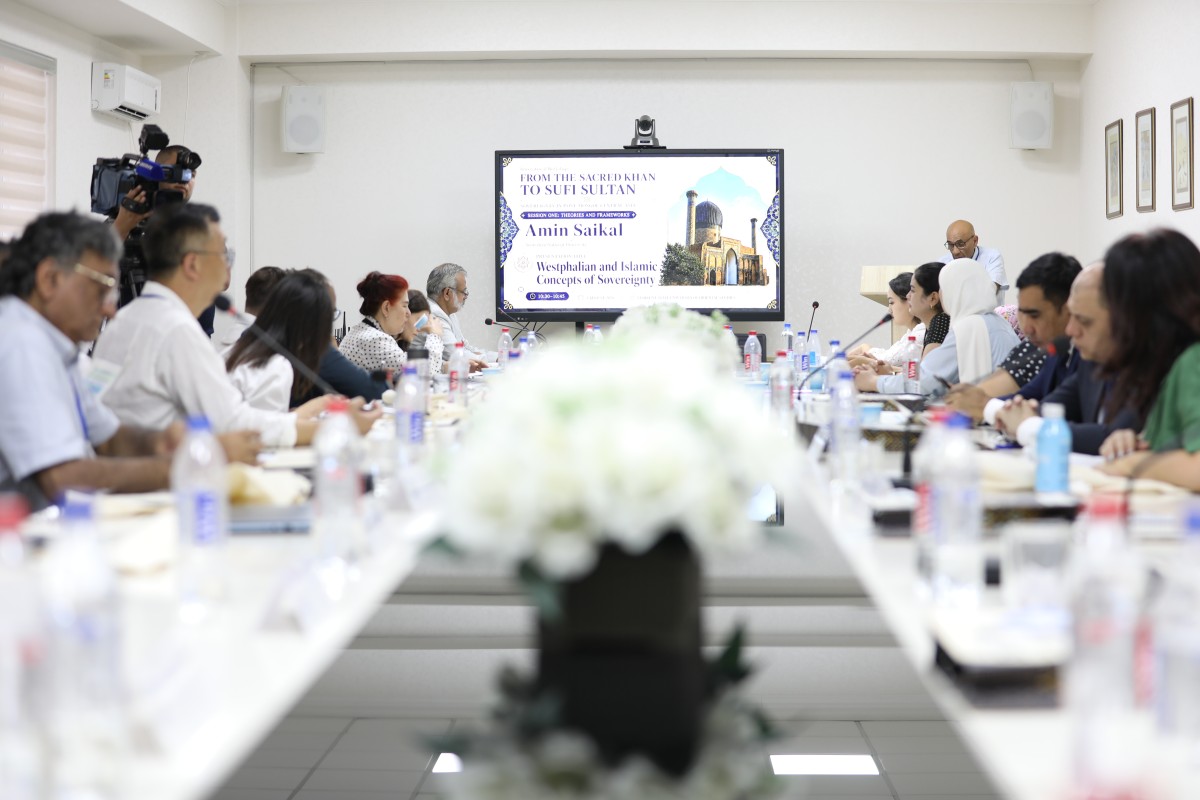
The opening ceremony of the international scientific-practical workshop titled “From the Sacred Khan to Sufi Sultan: Sovereignty in Post-Mongol Central Asia” was held at the Tashkent State University of Oriental Studies (TSUOS). This prestigious event is organized within the framework of academic cooperation between TSUOS, Princeton University (USA), and the University of Texas at Austin (USA).
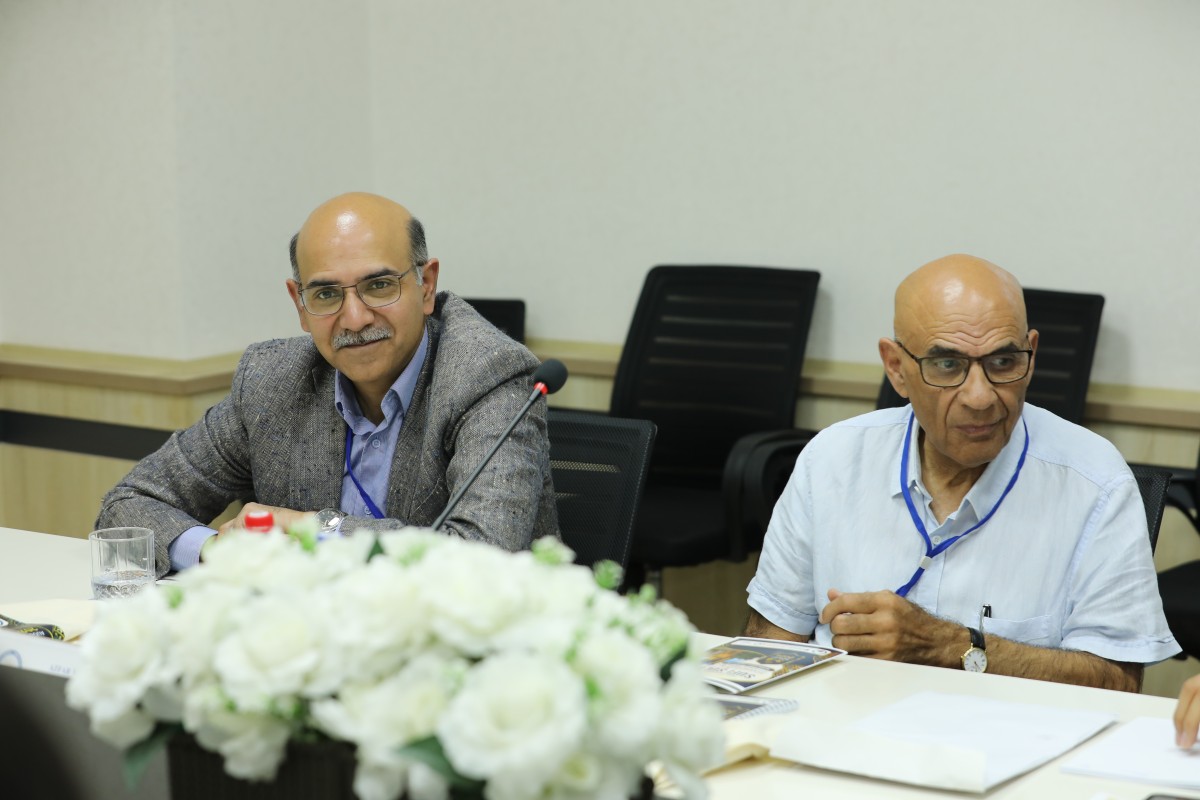
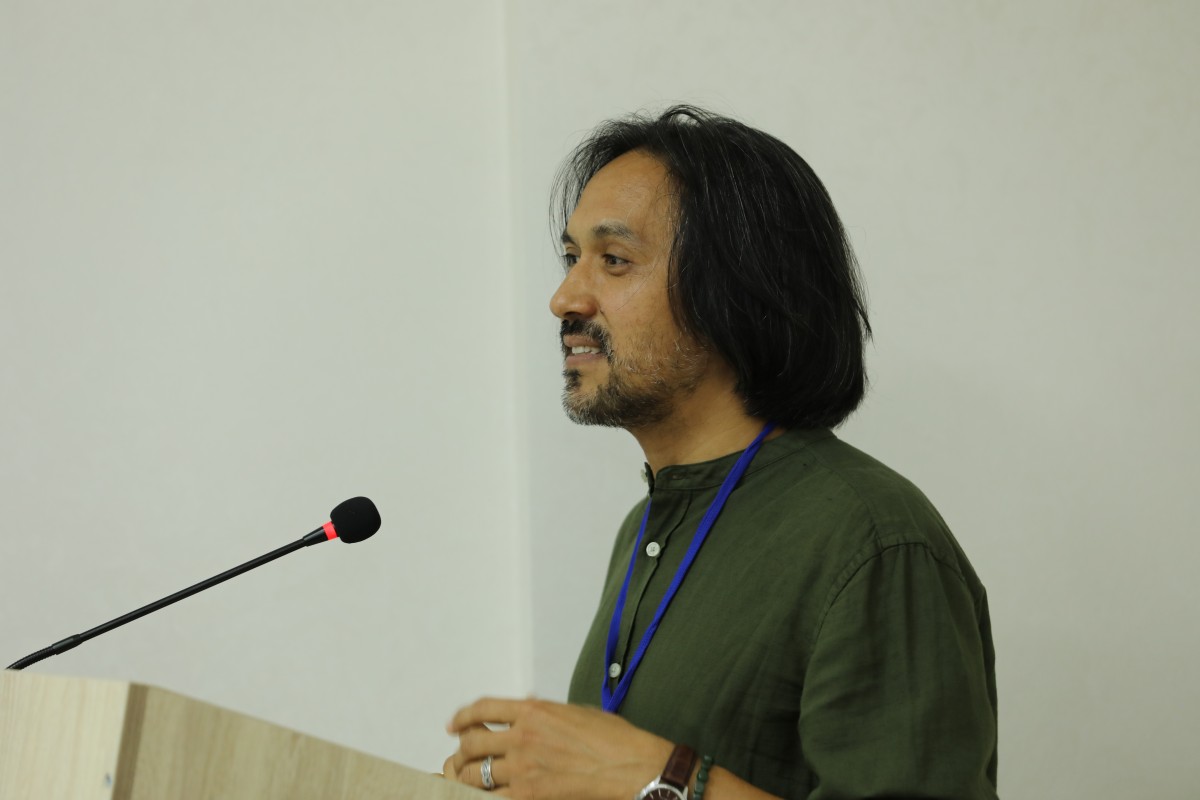
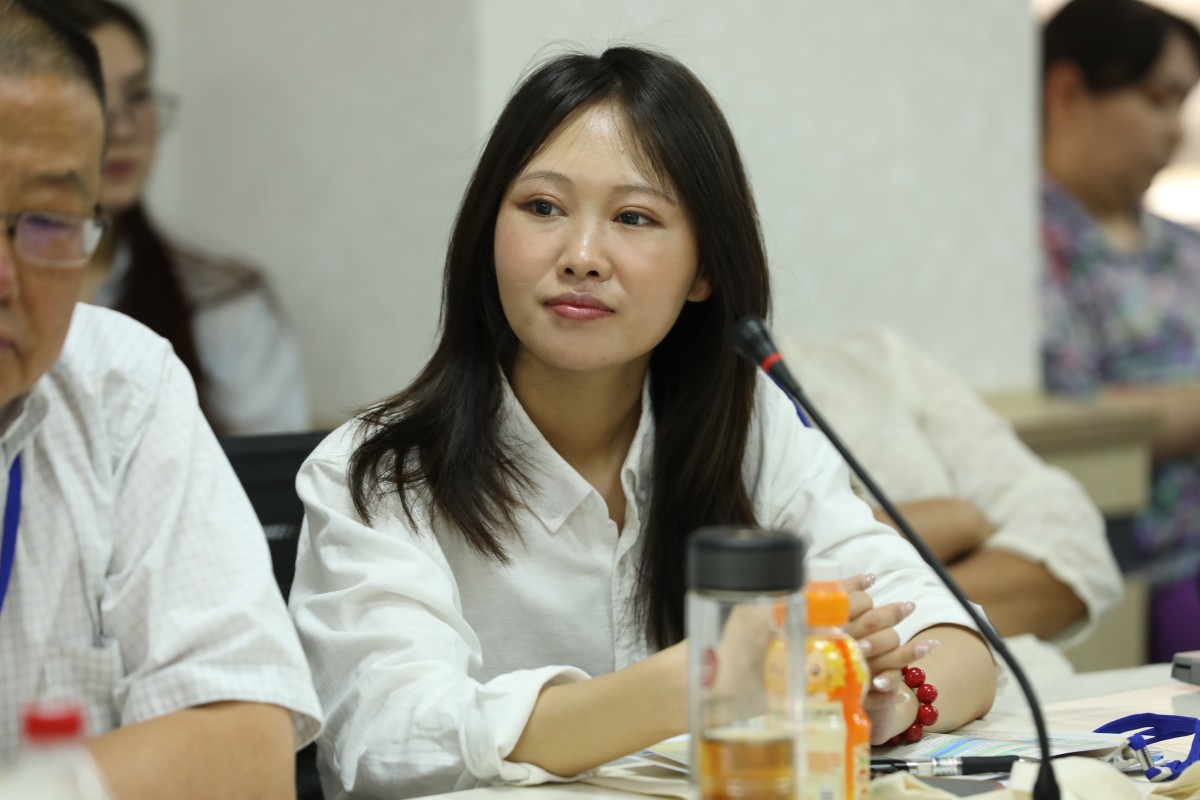
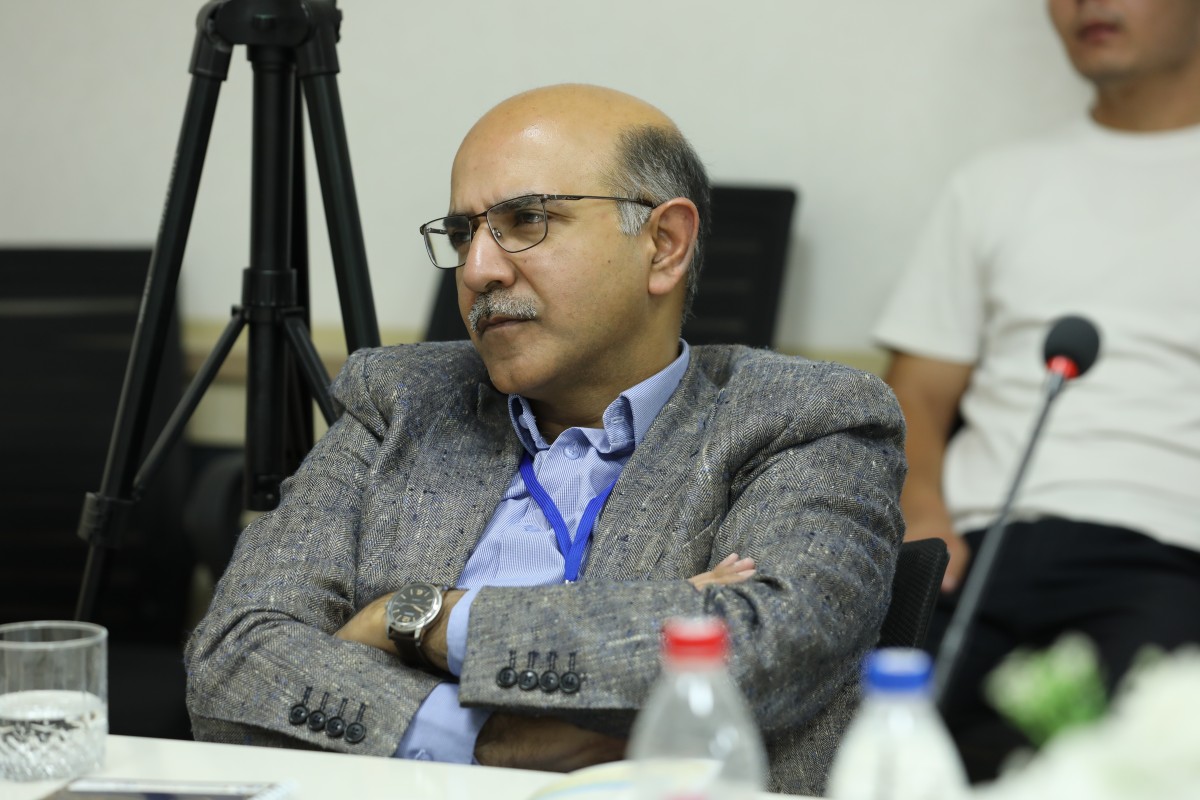
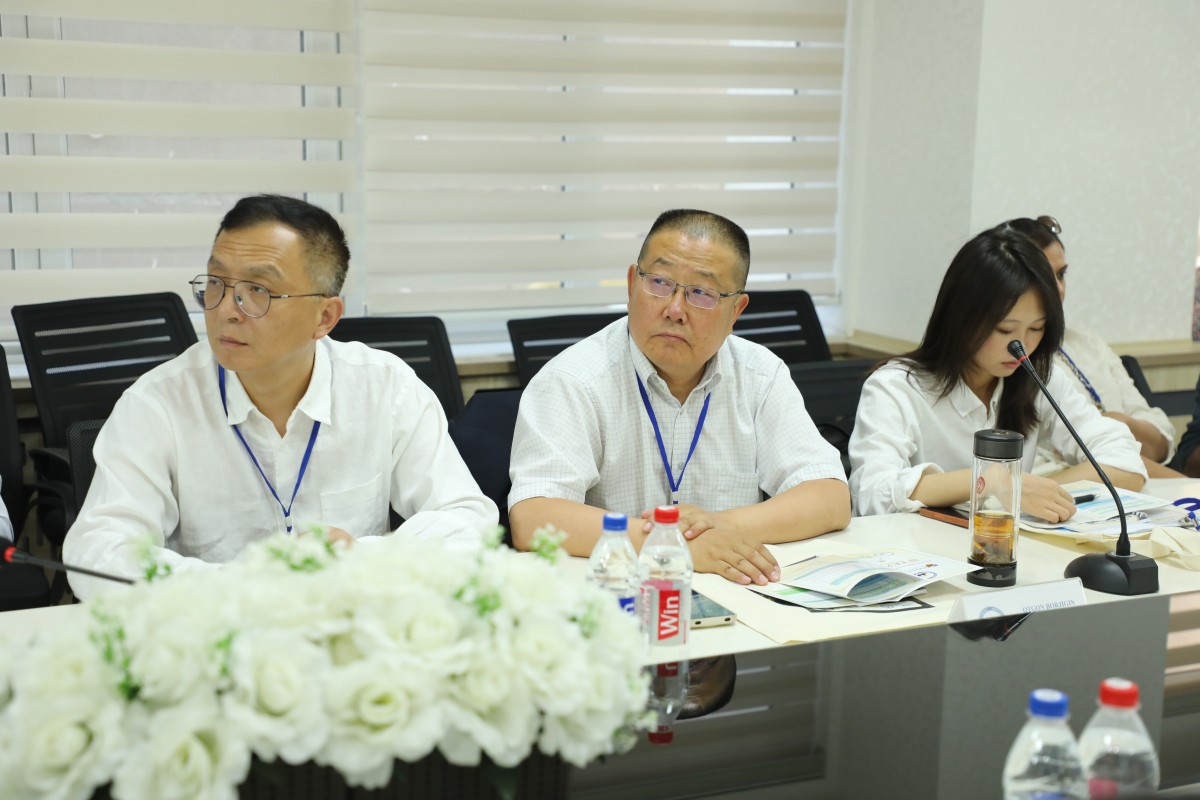
The workshop brings together prominent historians, orientalists, manuscript scholars, theologians, and researchers of political thought from leading universities and research centers in the USA, UK, Australia, China, India, Kazakhstan, and Uzbekistan. Representatives from Harvard, Oxford, Cambridge, Fudan University, and Nazarbayev University are among the participants.
-
- Interdisciplinary Approach: The evolution of political power and legitimacy is analyzed not just through political history, but in connection with religious thought, Sufism, manuscript heritage, historical geography, architecture, and epigraphy.
- Complex Sovereignty: Sovereignty is interpreted as a complex historical phenomenon shaped by religious legitimacy, genealogical traditions, Sufi institutions, legal views, and collective memory.
- Broad Academic Agenda: The two-day program covers topics such as Islamic political theology, the Chinggisid concept of statehood, Persian political culture, and the reinterpretation of state administration based on written sources.
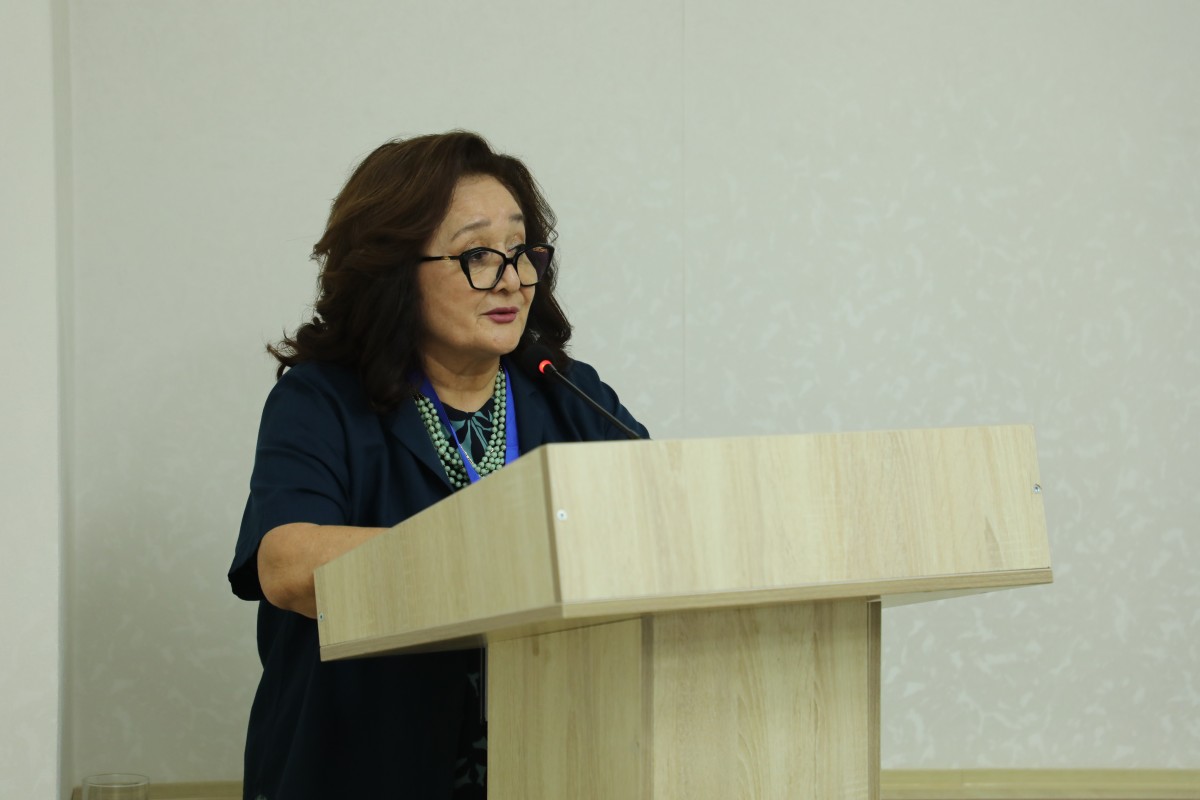
In her opening speech, the Rector of TSUOS, Professor Gulchehra Rikhsieva, emphasized that Central Asia has historically been a crossroads of diverse political, religious, and cultural traditions. Therefore, power legitimacy must be studied through intellectual processes and written heritage rather than just dynastic successions.
Social networks:
