








An Academic Lecture on “The Study and Development of Chinese Literature in Uzbekistan” Was Held at the Institute of Humanities of Liaoning Normal University, China.
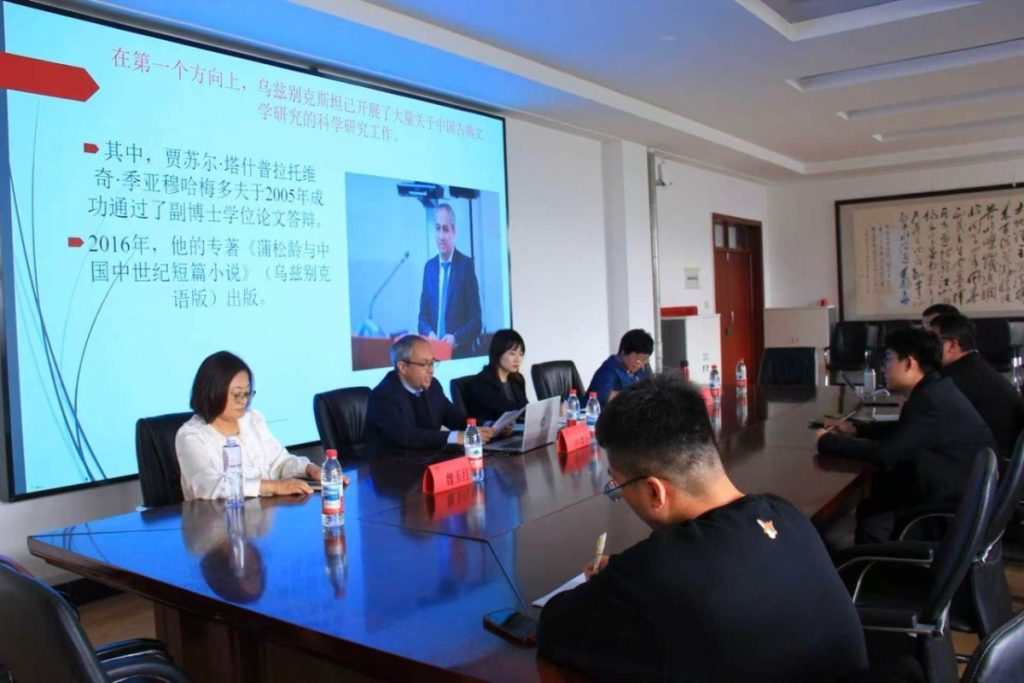
An academic lecture entitled “The Study and Development of Chinese Literature in Uzbekistan” was held at the Institute of Humanities of Liaoning Normal University in the People’s Republic of China. The event took place in the conference hall of the Institute’s second academic building. It aimed to broaden the knowledge of faculty members, doctoral researchers, master’s students, and undergraduate students engaged in Chinese studies, as well as to familiarise them with the current state of Chinese literature studies abroad.
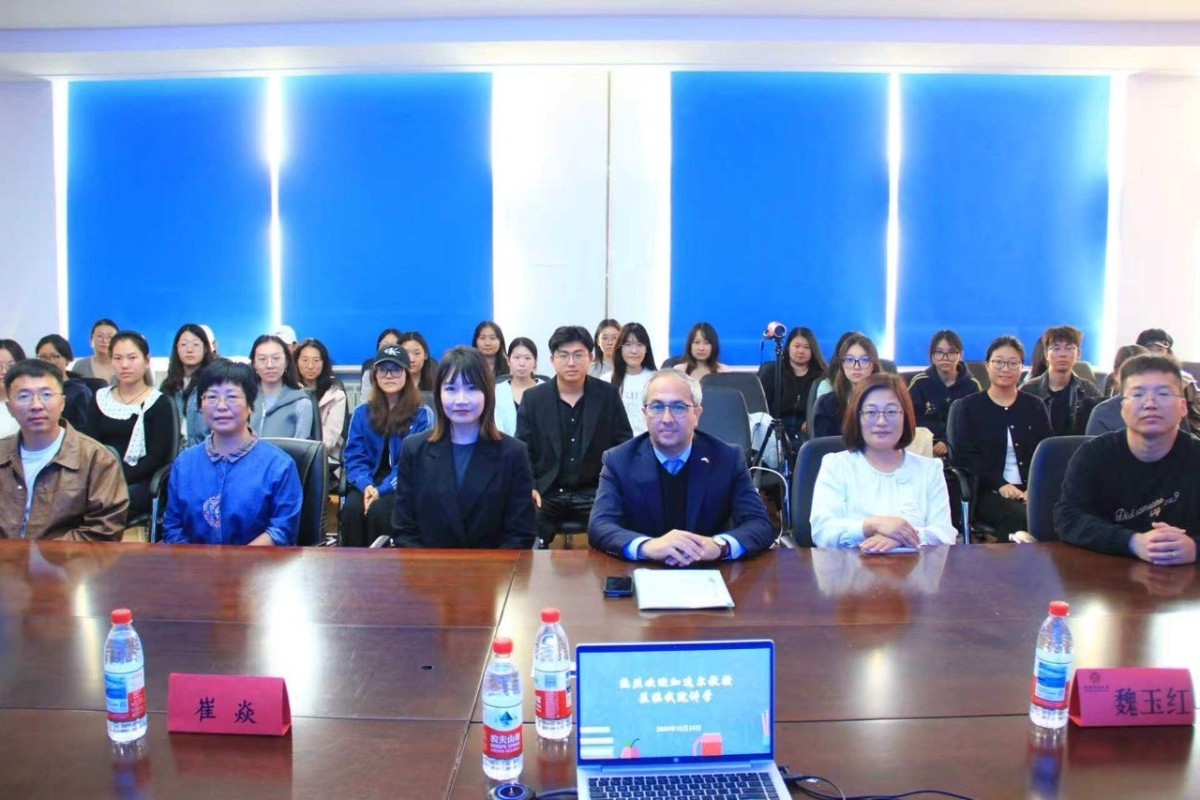
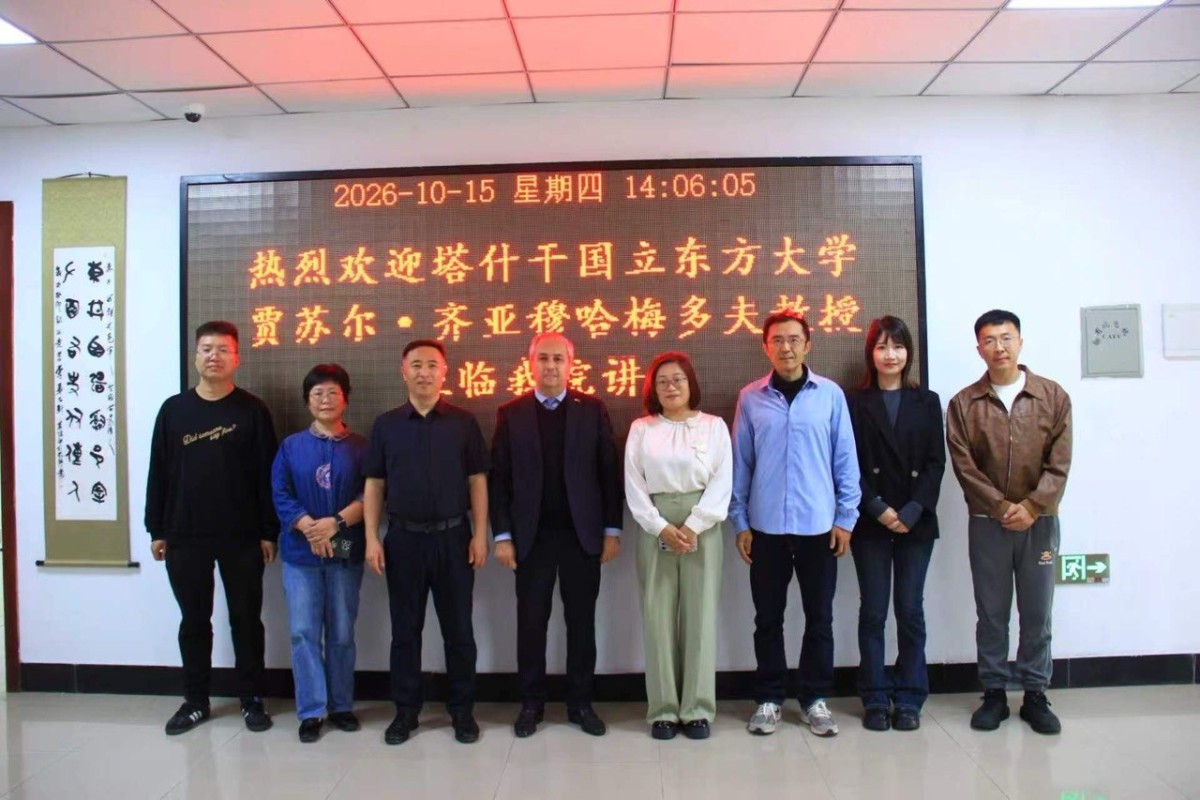
Jasur Ziyamukhamedov, Professor at the Higher School of Chinese Studies of Tashkent State University of Oriental Studies (TSUOS), participated as an invited guest lecturer. The event was moderated by Cui Yan, Deputy Dean of the Faculty of Literature. Other participants included Wei Yuhong, Deputy Dean of the Faculty of International Education; Cao Lifang, Professor at the Department of Ancient Literature of the Faculty of Literature; Dr. Wang Jiangpeng; Li Yuan, a researcher at the Faculty of History; and students studying in relevant programmes at the Faculty of Literature.
At the beginning of the lecture, Professor Jasur Ziyamukhamedov emphasised the long-standing friendly relations between China and Uzbekistan. He highlighted the important place of Chinese literature in literary studies in Uzbekistan and underlined its significant influence on Eastern literature. He also introduced the academic programmes offered by the Higher School of Chinese Studies at TSUOS for training undergraduate and master’s students in relevant fields and specialisations.
In the main part of the lecture, Professor Jasur Ziyamukhamedov discussed the study and development of Chinese literature in Uzbekistan across four key areas:
- The current state of research activities related to the study of Chinese literature;
- The teaching of Chinese literature at higher education institutions in Uzbekistan;
- Books translated from Chinese into Uzbek;
- Uzbek literary works translated for Chinese readers.
He also spoke about several Uzbek scholars who have made significant contributions to Chinese studies, presenting their research and outlining the current state and development of Chinese literature studies in Uzbekistan.
In the concluding part of the lecture, Professor Jasur Ziyamukhamedov warmly invited the participants to visit Uzbekistan and shared information about the country’s beautiful natural landscapes and renowned tourist attractions.
Wei Yuhong, in turn, spoke about the positive outcomes of cooperation between Liaoning Normal University and Tashkent State University of Oriental Studies, as well as the prospects for the university’s branch in Uzbekistan. She also encouraged young students to pay greater attention to international cultural exchange.
The lecture was rich in content and covered a wide range of topics, providing a systematic overview of the current state of Chinese literature studies in Uzbekistan. It highlighted the long-standing literary ties between China and Uzbekistan and broadened the academic perspectives of faculty members and students in the field of international Chinese studies.
Professor Jasur Ziyamukhamedov further emphasised that comparative studies of the literatures of different countries and the development of international academic cooperation in Chinese studies offer valuable learning experiences for students. He also provided recommendations to support their academic development in this field.
Looking ahead, the Institute of Humanities will continue to establish new platforms for international academic dialogue, actively expand channels for international academic exchange, explore the achievements of Chinese studies conducted abroad, and further enhance its research capacity and educational quality in the study of Chinese and other national literatures.
Social networks:
