








Liaoning Normal University Hosts Academic Lecture on Translating Abdulla Qahhor’s Short Stories into Chinese
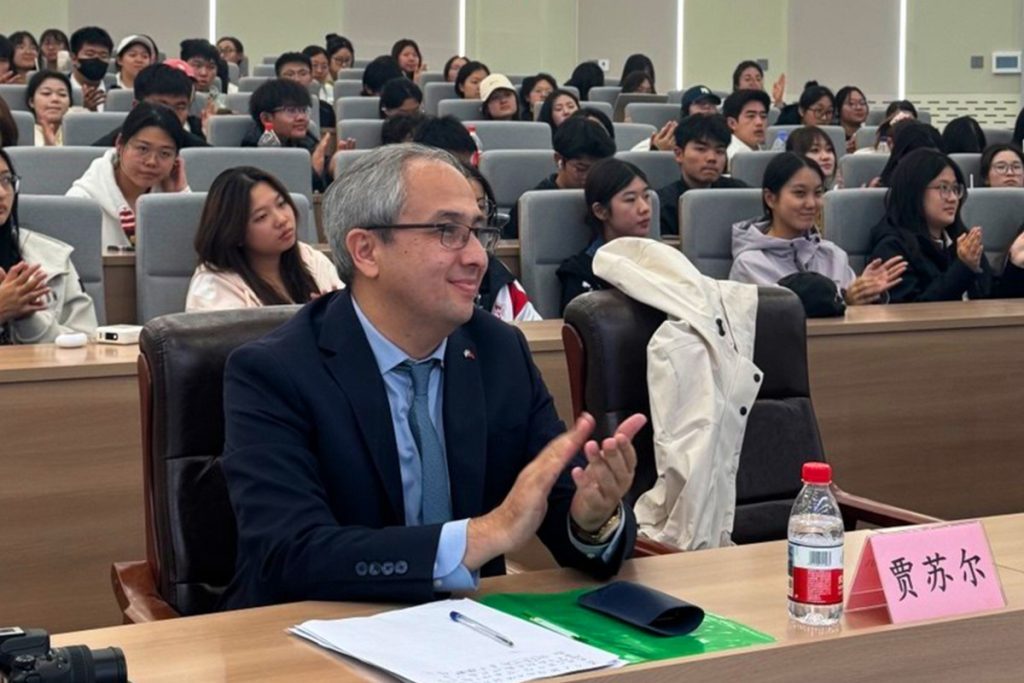
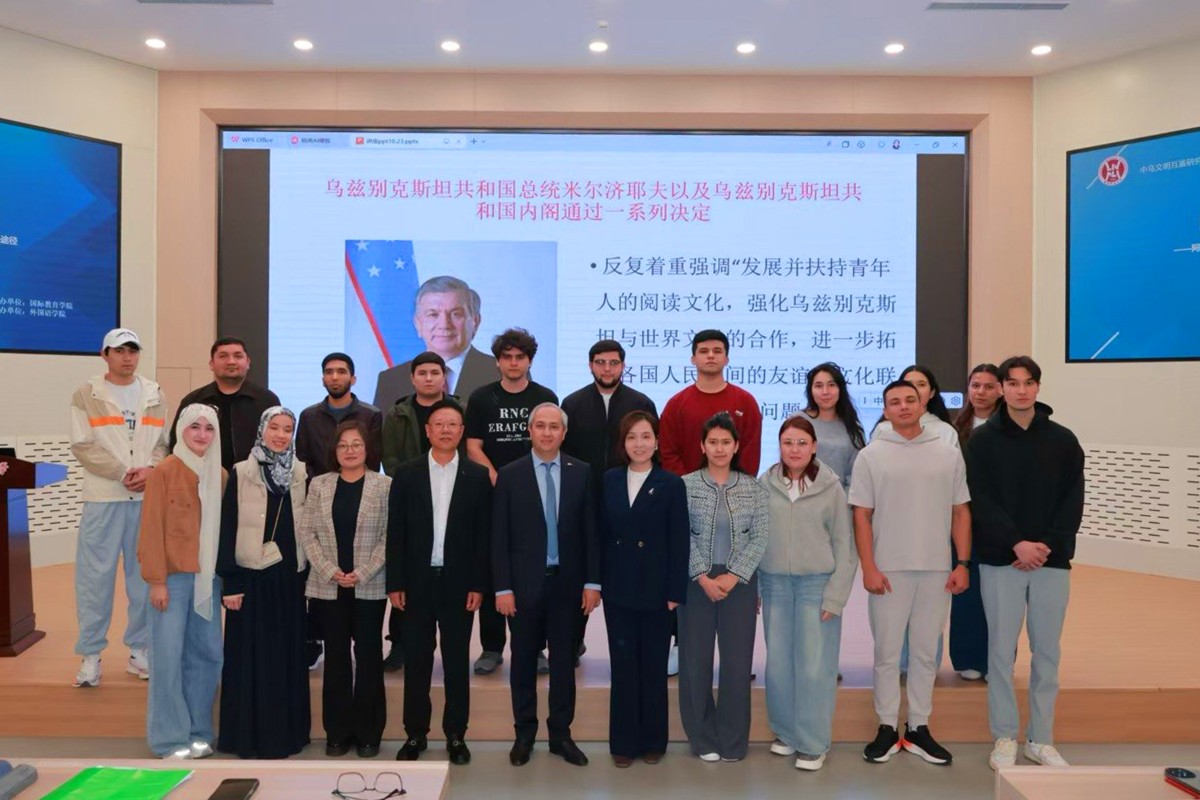
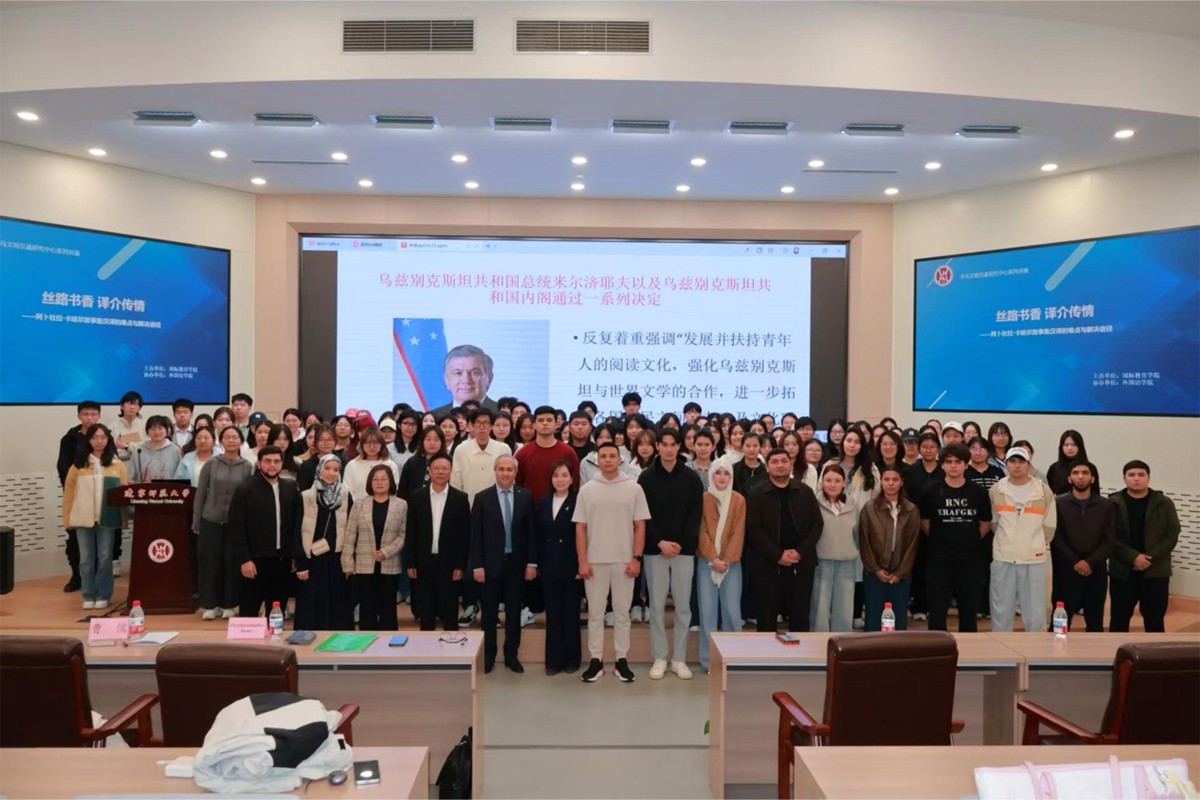
One of the academic lectures in the series entitled “Books of the Silk Road: Connecting Hearts Through Translation,” organised by the China–Uzbekistan Civilisations Research Centre, was held in the university’s main lecture hall in cooperation with the Institute of International Education and the Faculty of Foreign Languages of Liaoning Normal University.
The event focused on key areas of humanitarian cooperation between China and Uzbekistan, the development of international Chinese language education, and the practice of translating Central Asian literature into Chinese. It provided a high-level international academic platform for dialogue between scholars from the two countries and for scholarly discussions involving academic staff and students.
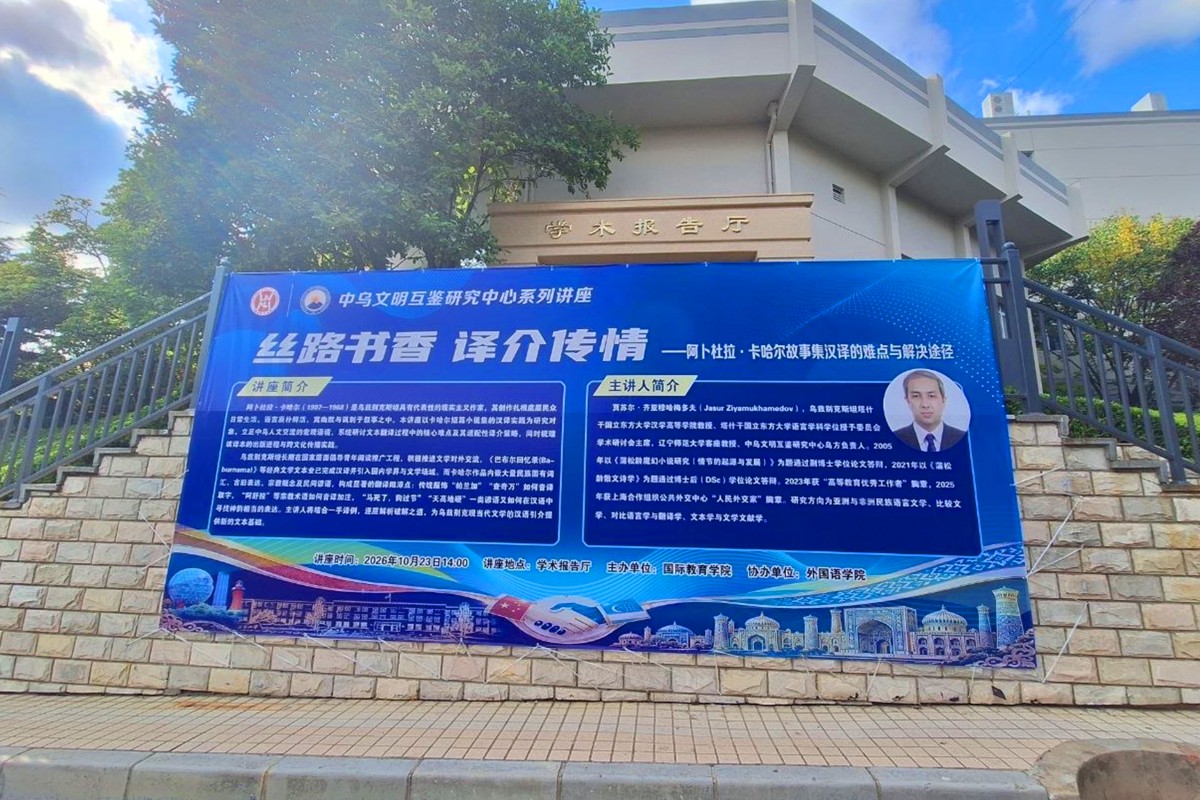
At the invitation of the organisers, Professor Jasur Ziyamukhamedov of the Higher School of Sinology at Tashkent State University of Oriental Studies, Honorary Professor of Liaoning Normal University, and Uzbekistan’s representative at the China–Uzbekistan Civilisations Research Centre, delivered a special lecture entitled “Challenges in Translating Abdulla Qahhor’s Short Story Collection into Chinese and Ways to Overcome Them.”
The lecture was moderated by Cao Ru, Dean of the Institute of International Education, while Professor Li Baogui participated as an academic expert. The event was attended by academic staff, doctoral students, and students from the Institute of International Education and the Faculty of Foreign Languages, as well as students enrolled in the joint China–Uzbekistan “2+2” educational programme.
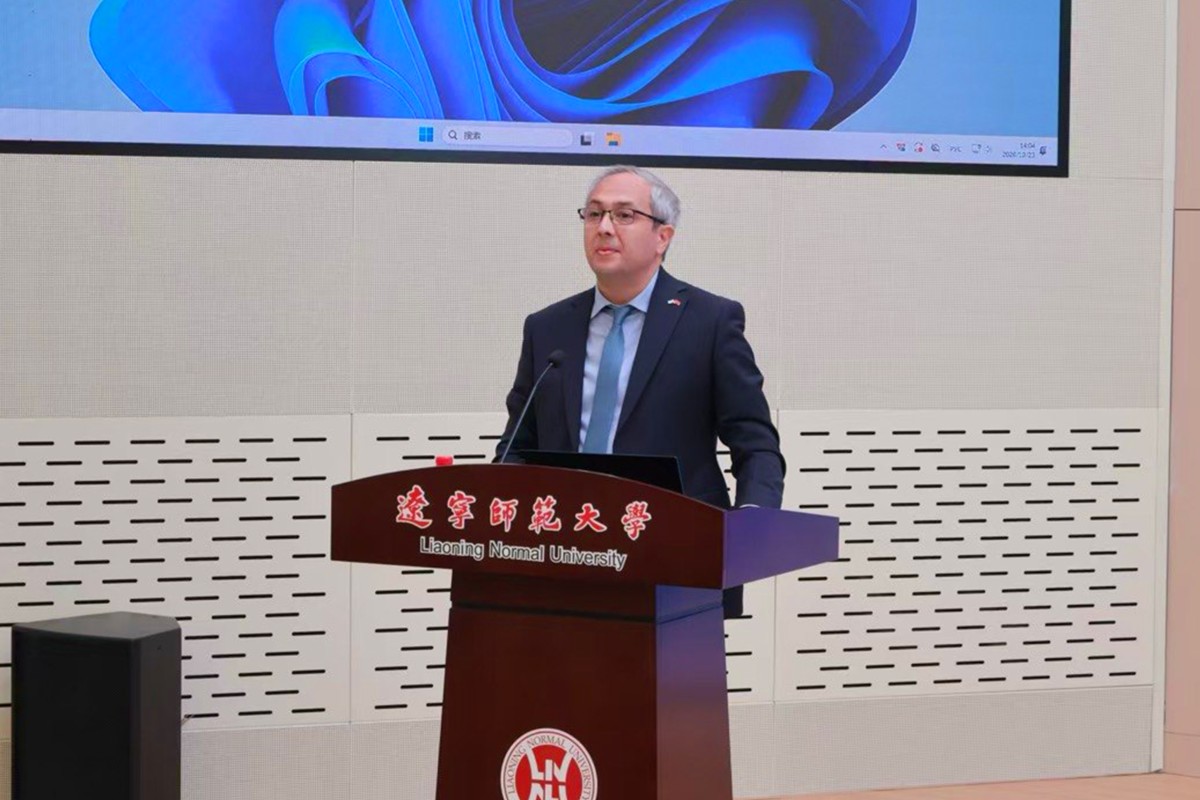
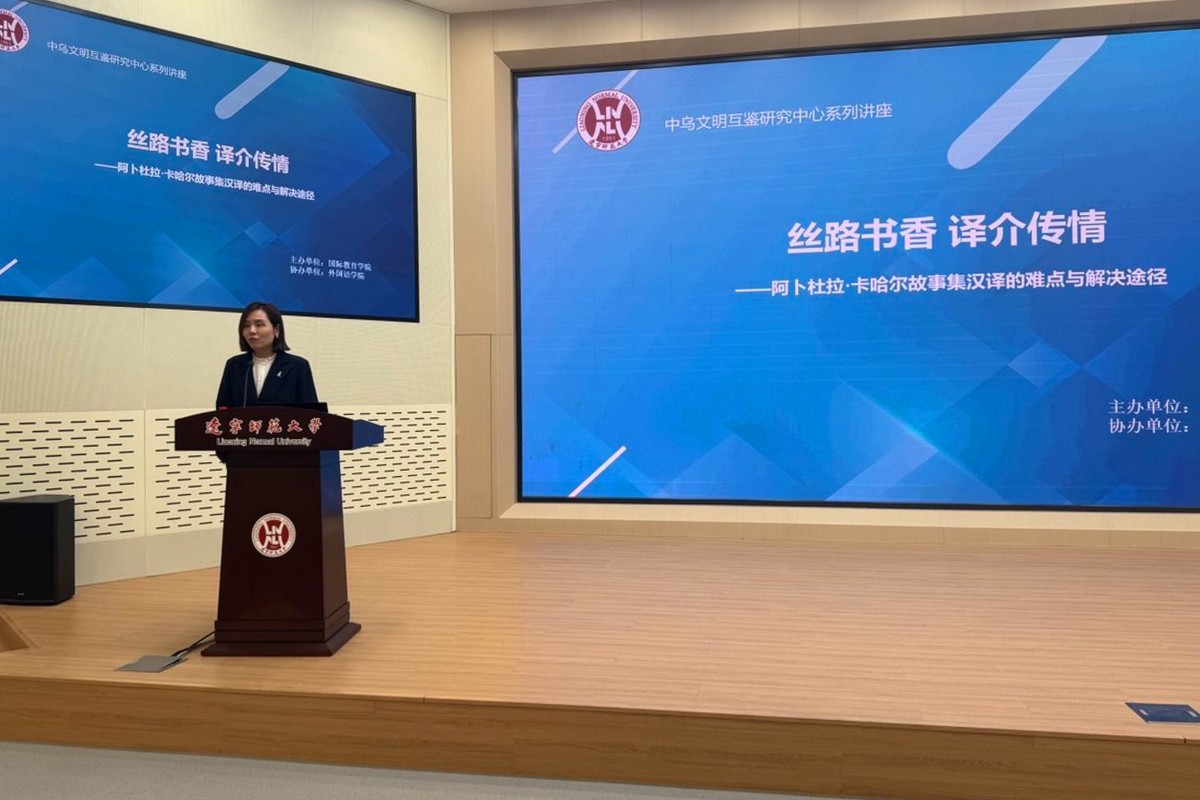
The lecture comprised two main parts: the current state of Chinese language education in Uzbekistan and the practice of literary translation.
Professor Jasur Ziyamukhamedov provided an overview of the development of Chinese language education in Uzbekistan. He noted that more than ten higher education institutions in Uzbekistan currently implement staff training and educational programmes in cooperation with Chinese universities. One notable outcome of this collaboration is the joint “2+2” Chinese language programme established by Tashkent State University of Oriental Studies and Liaoning Normal University.
Thousands of young people from Uzbekistan are currently studying at various higher education institutions in China, further developing their knowledge and professional skills. At the same time, Uzbekistan has a strong demand for qualified Chinese-speaking professionals in sectors such as energy, automotive manufacturing, and other industries. This creates significant opportunities for the further development of Chinese language education.
Professor Ziyamukhamedov also spoke about the activities of Confucius Institutes in Uzbekistan. The Confucius Institute at Tashkent State University of Oriental Studies is the first Confucius Institute established in the world. Another Confucius Institute operates in Samarkand. In addition, Liaoning Normal University, in cooperation with Urgench State University, is working to establish a third Confucius Institute in Uzbekistan, in the city of Khiva, and to organise its operations.
Drawing on his research into the works of Pu Songling, Professor Jasur Ziyamukhamedov and Chinese studies scholar Dildora Ismoilova translated a collection of short stories by renowned Uzbek writer Abdulla Qahhor into Chinese. During the lecture, the professor also shared his practical experience of working on the translation.
Abdulla Qahhor’s works are deeply rooted in everyday life and contain numerous references to traditional clothing, religious terminology, folk proverbs, and archaic words. Translating these linguistic and cultural elements presents particular challenges. In response to the different categories of culturally specific words and expressions, the professor proposed a systematic classification of translation methods.
At the conclusion of the lecture, Professor Li Baogui, participating as an academic expert, provided detailed comments and reflections on the subject. He noted that the lecture not only offered a comprehensive overview of regional cooperation but also explored the practical aspects of translation in considerable depth. The realistic and convincing examples of translation presented during the lecture were of considerable academic and practical value to the audience.
In his view, Chinese language education serves as an important bridge for strengthening mutual understanding and fostering closer ties between the peoples of China and Uzbekistan, while literary translation is an integral means of promoting understanding between different civilisations and facilitating the exchange of cultural experiences. Such bilingual publications are also significant for general readership, classroom instruction, and humanitarian diplomacy.
Social networks:
