








Chinese Written Heritage and the Peoples of East Asia: Continuing Academic Dialogue
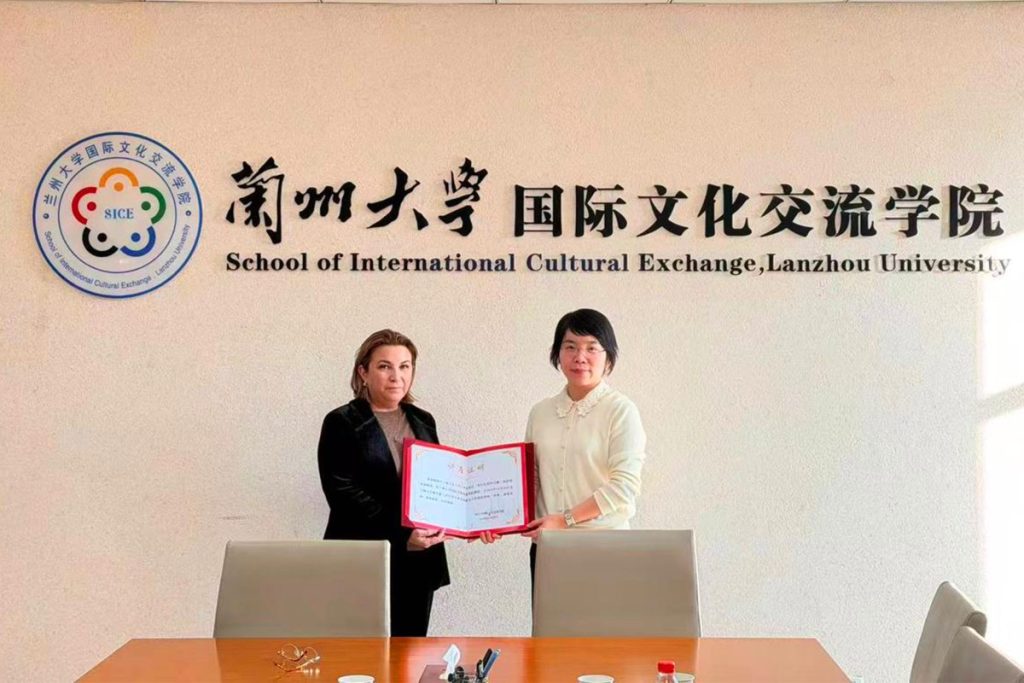
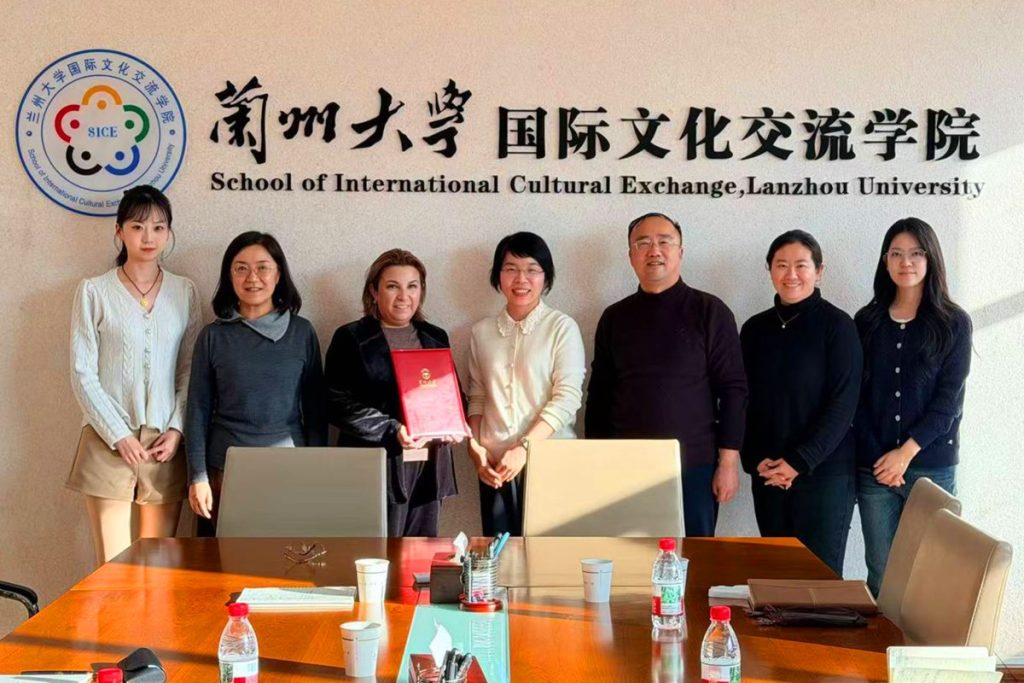
In the afternoon of 20 November 2026, Feruza Khasanova, Associate Professor at the Higher School of Chinese Studies of Tashkent State University of Oriental Studies, Doctor of Philosophy (PhD) in Philological Sciences, and Head of the TSUOS–Gansu UNESCO Centre, delivered an academic lecture at the Institute of International Cultural Exchange of Lanzhou University, People’s Republic of China.
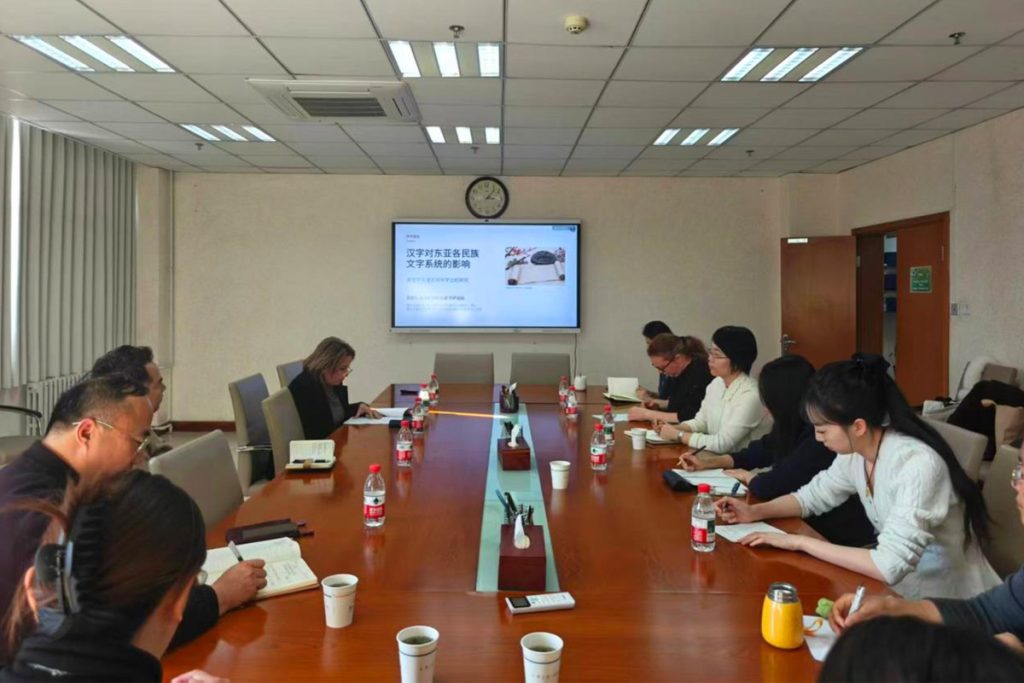
The lecture was entitled “The Influence of Chinese Characters on the Writing Systems of East Asian Peoples” (汉字对东亚各民族文字系统的影响).
During the lecture, the historical spread of Chinese character-based writing across East Asia and its influence on the formation and development of the Japanese, Korean and Vietnamese writing systems were examined from linguistic, typological and linguosemiotic perspectives.
In particular, drawing on scholarly examples, the lecture explored the processes through which Chinese characters were adapted to different linguistic systems, the relationship between graphic form, phonetic features and semantic content, as well as the distinctive linguistic mechanisms underlying the formation of national writing systems.

A comparative analysis was also presented of the development and distinctive features of kanji (漢字) in Japanese writing, hanja (漢字) in Korean writing, and chữ Nôm (喃字), a writing system historically used for the Vietnamese language. Particular attention was given to the interaction between Chinese writing traditions and the phonetic and grammatical features of local languages in the development of these writing systems.
The lecture highlighted Chinese characters not merely as a means of written communication, but also as an important factor in the historical and cultural ties, exchange of knowledge, and interaction of civilisations among the peoples of East Asia.
This academic lecture contributes to the further development of academic cooperation between Tashkent State University of Oriental Studies and leading higher education institutions in China, the wider international promotion of research in Chinese studies, and the strengthening of academic ties in comparative linguistics and the study of writing systems.
Social networks:
