








Malaysia’s Most Prestigious Universities — TSUOS Partners
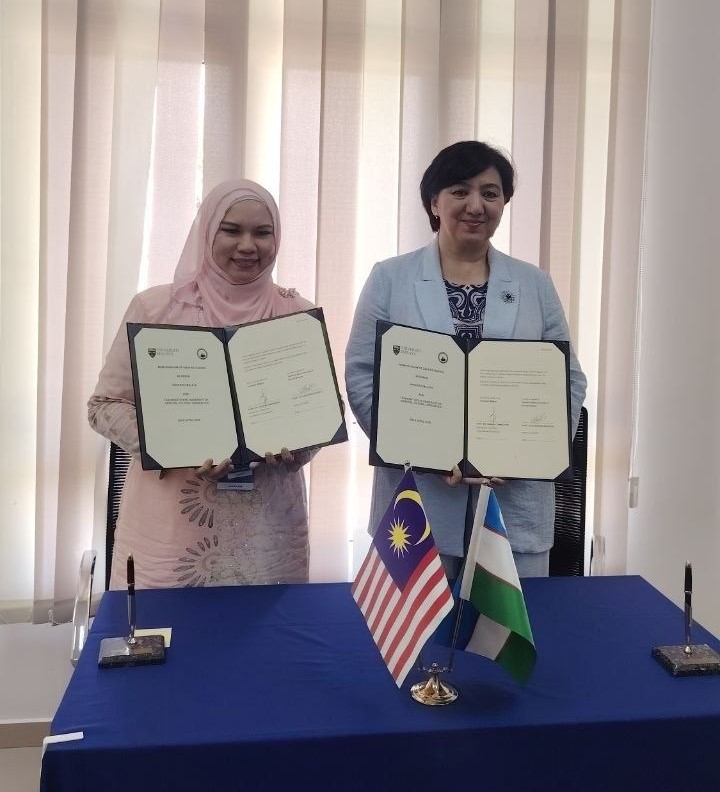
TSUOS has officially launched cooperation with University of Malaya, one of Malaysia’s leading higher education institutions. The university is highly ranked for educational quality, academic reputation, international cooperation, and employer reputation, placing 54th in the QS World University Rankings.
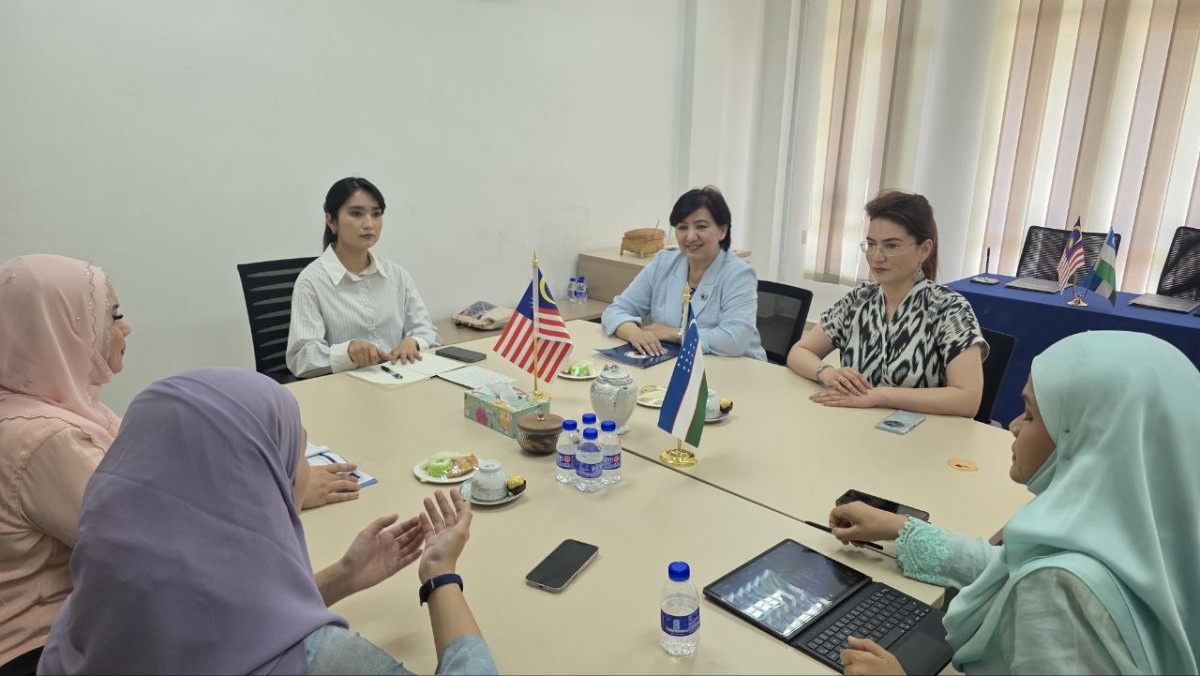
TSUOS Rector G. Rikhsiyeva discussed areas of cooperation with University of Malaya Vice Rector Hasniya Zaman Nuri.
Negotiations were also held with Universiti Teknologi Malaysia President Mohd Shafry Rahim. This university ranks 153rd in the QS World University Rankings. The parties discussed prospects for joint master’s programs, student mobility, faculty exchange, joint doctoral programs, and the organization of international scientific and cultural events.
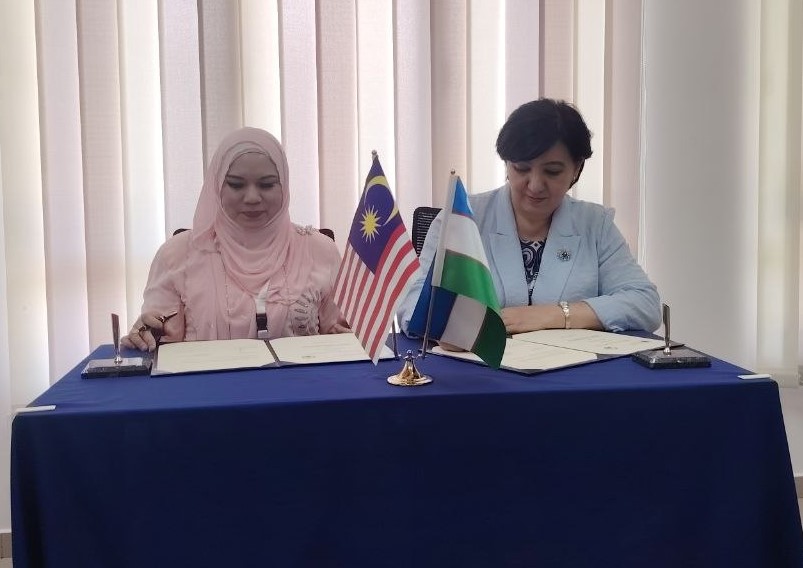
Another TSUOS partner is Universiti Kebangsaan Malaysia, which ranks second nationally and 126th in the QS World University Rankings.
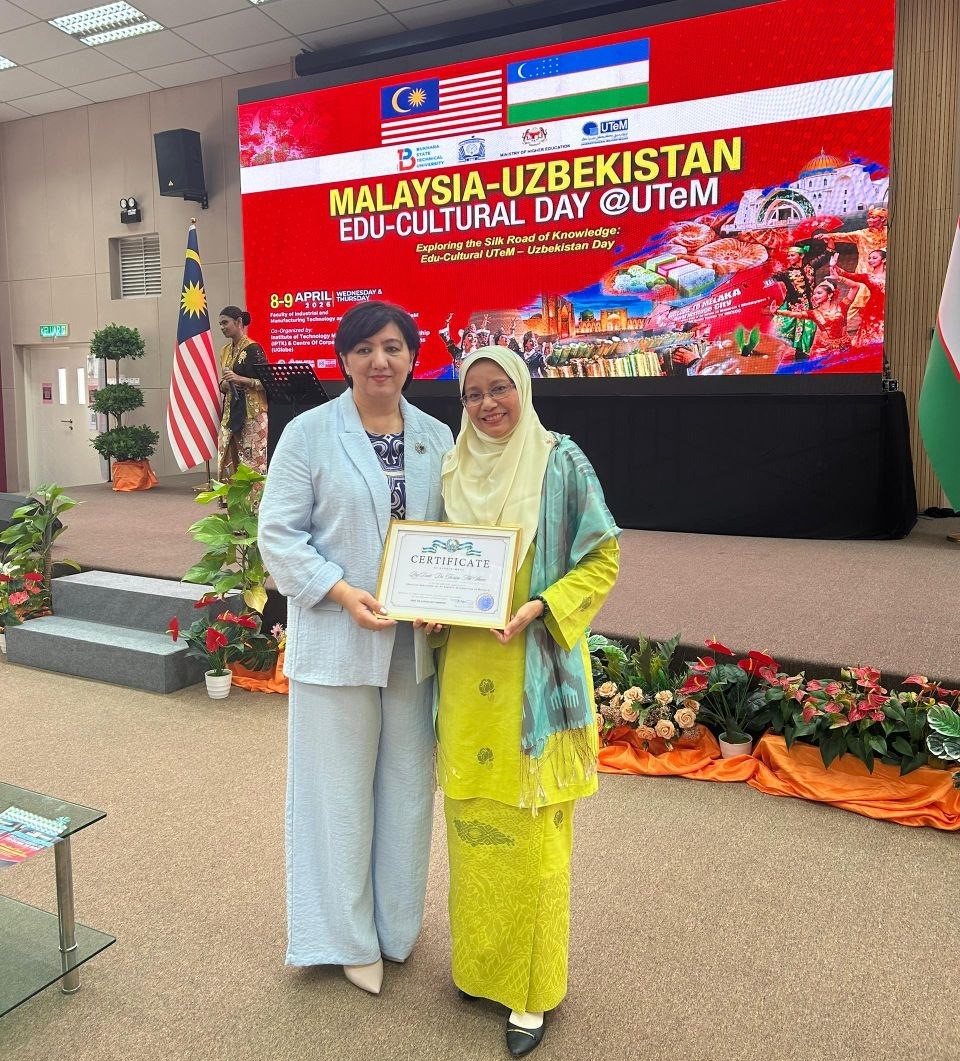
Universiti Kebangsaan Malaysia Institute of Islamic Civilization Director Fariza Sham was appointed as the “Educational Ambassador of Uzbekistan in Malaysia.” The parties also discussed the implementation of joint scientific cooperation projects with the institute.

Within the framework of cooperation with Universiti Kebangsaan Malaysia, the parties reviewed issues related to organizing international scientific conferences, ensuring the participation of TSUOS faculty and researchers in the ICGLOBDE conference, involving students in short-term academic courses, launching joint doctoral programs, and establishing faculty exchange programs.
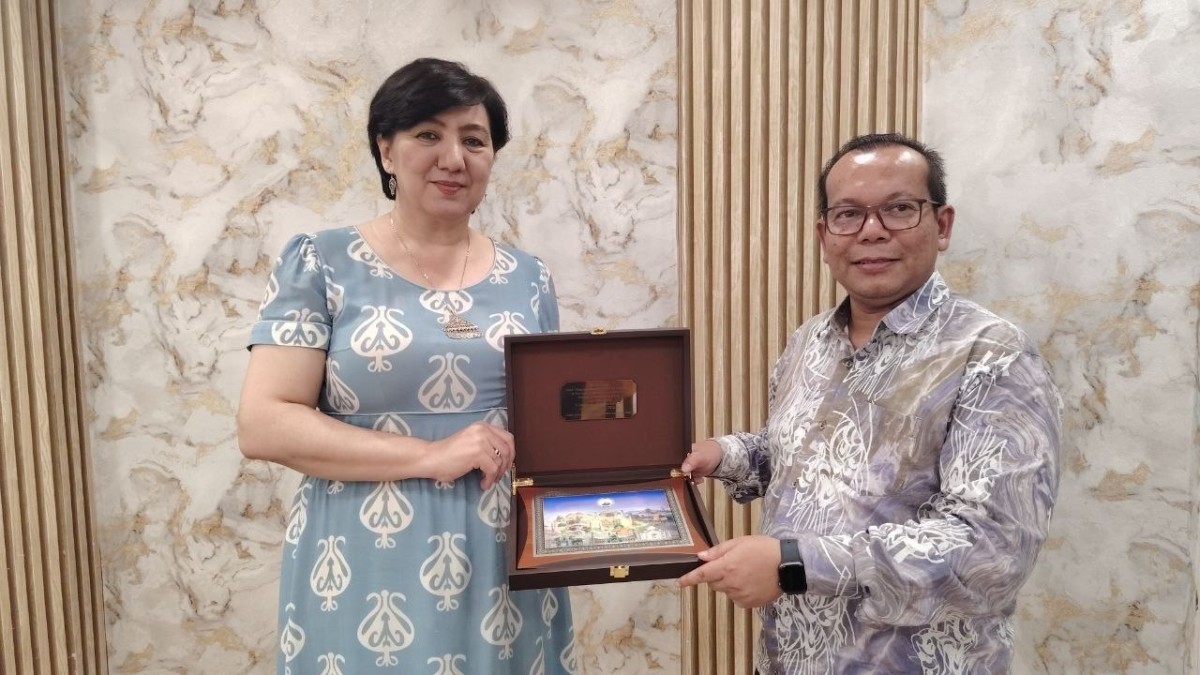
During negotiations with INTI International University, the parties discussed the participation of 15 TSUOS students in a summer school program, accommodation arrangements, a professional development program for 20 faculty members, expanding research fellowships, opportunities for free master’s education, and faculty exchange programs.
With Universiti Pendidikan Sultan Idris, the parties exchanged views on publishing articles in Scopus-indexed journals, expanding student mobility, organizing summer school programs, and strengthening cooperation in improving the quality of Malay language teaching.
Social networks:
