







Scientific lectures were organized at TSUOS with the participation of scientists and professors from Russia, China, Poland, Turkey, and Iran.
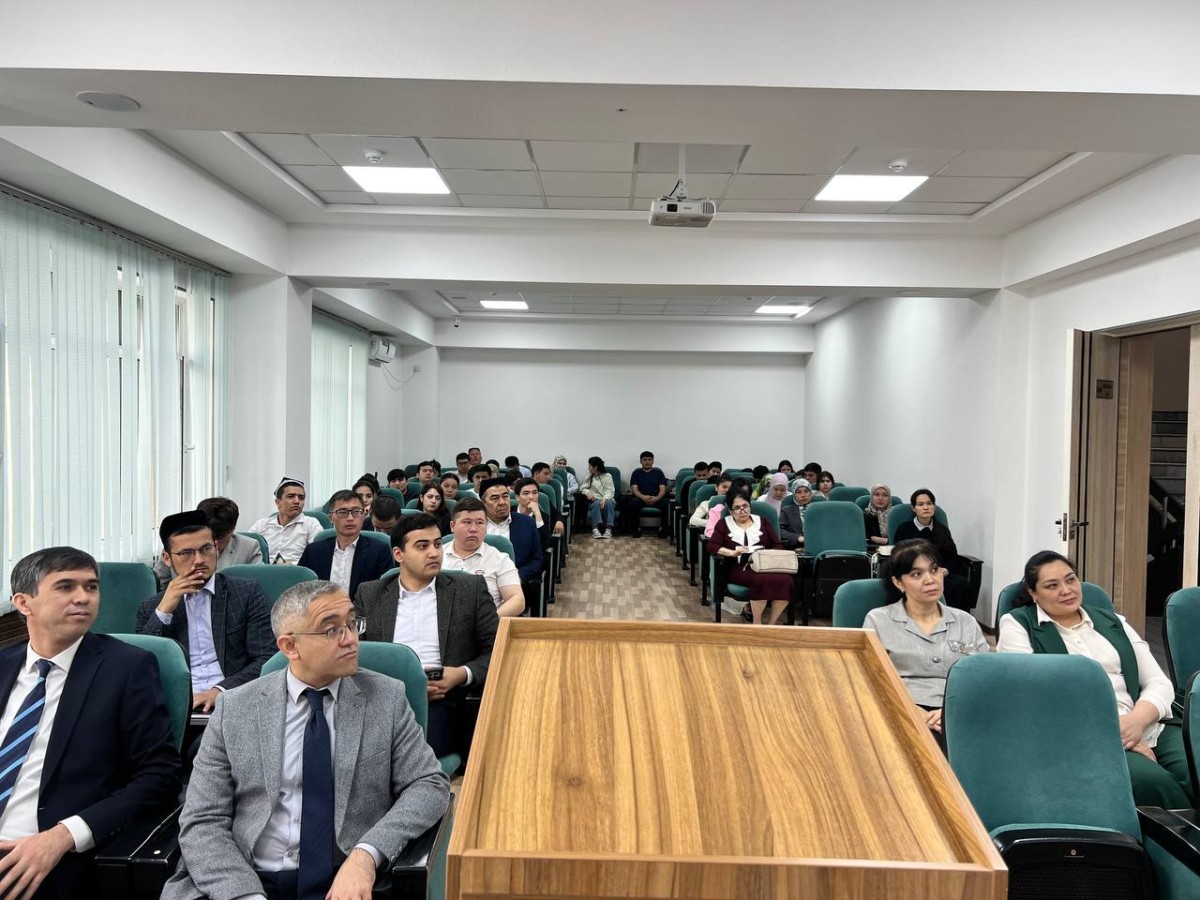
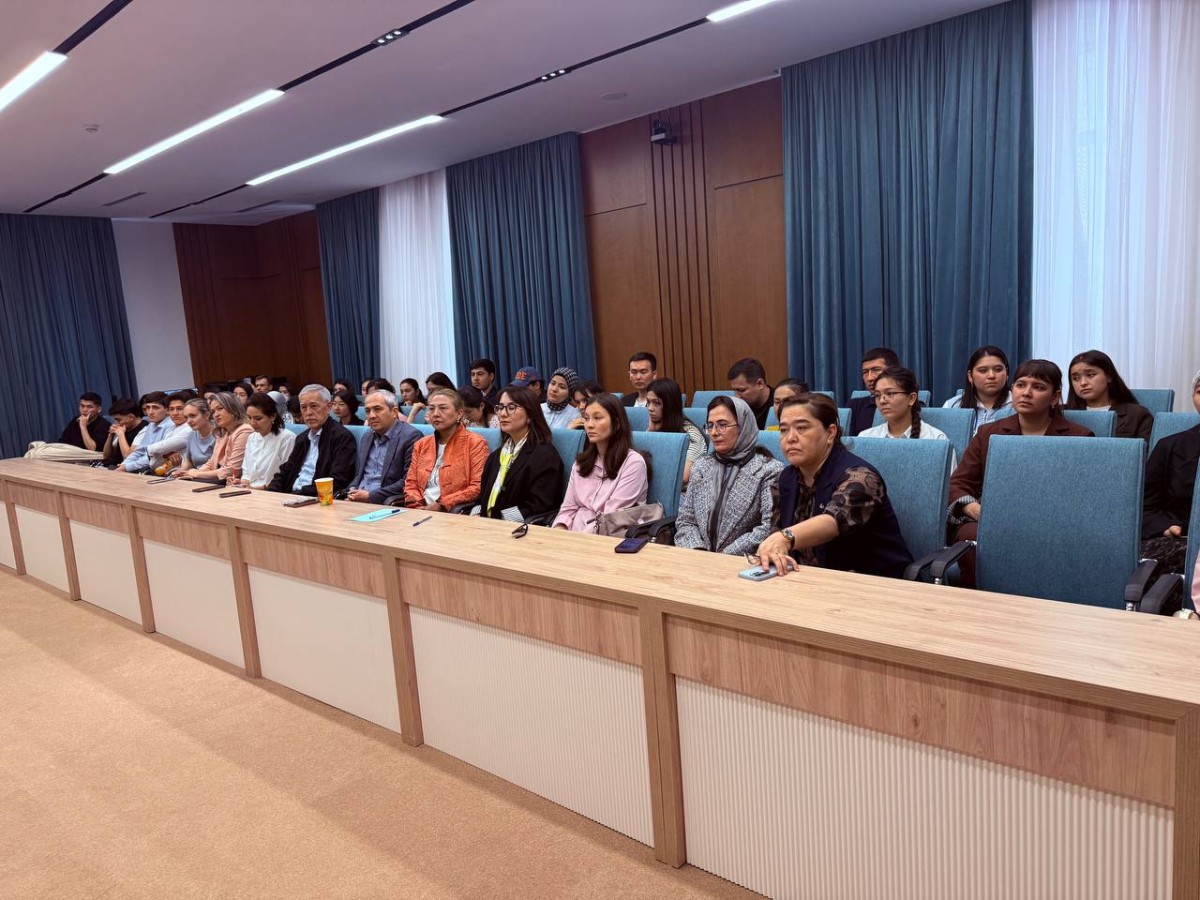
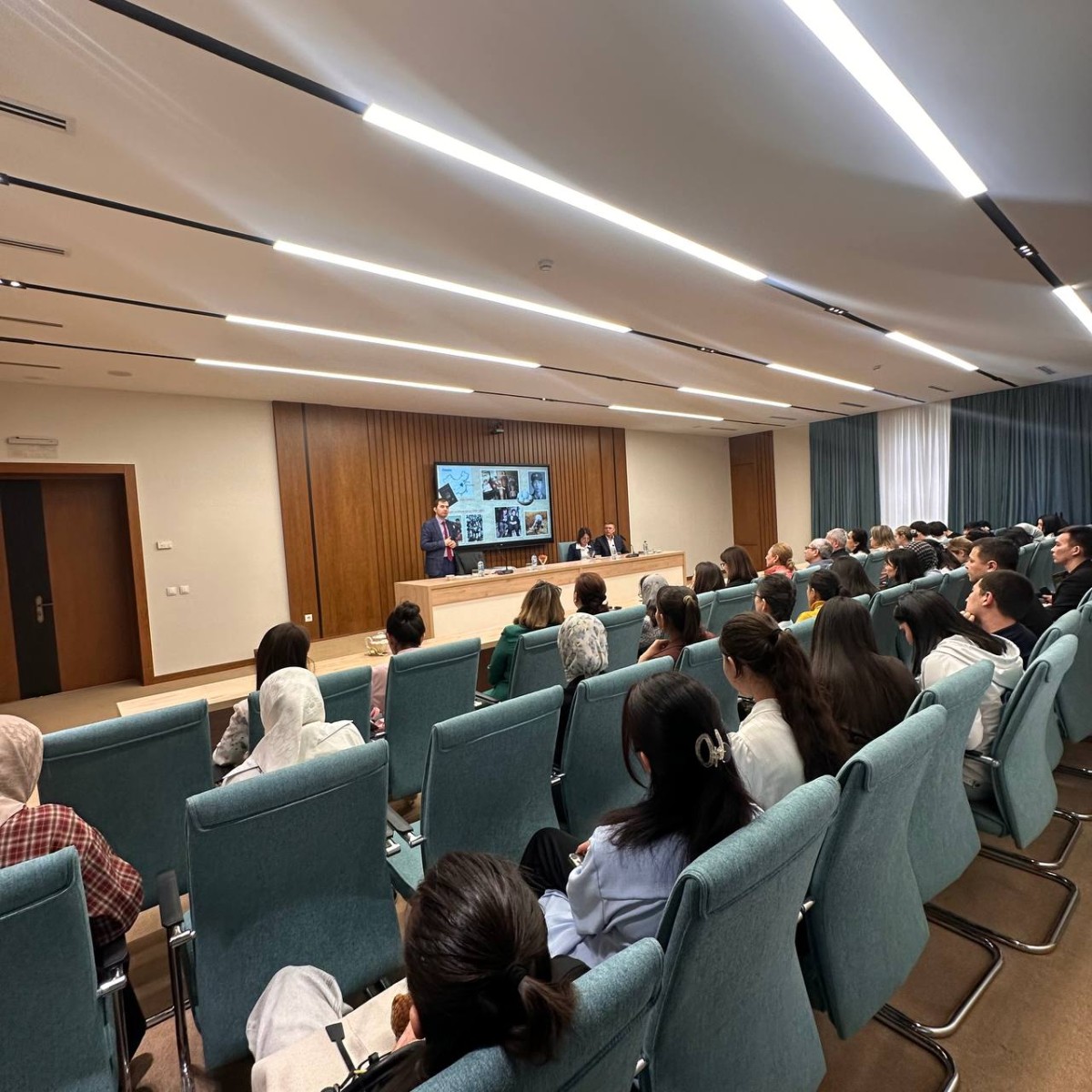
On April 20, 2026, a series of scientific events were organized to enhance the scientific potential of the faculty, doctoral students, master’s students, and young researchers at Tashkent State University of Oriental Studies.
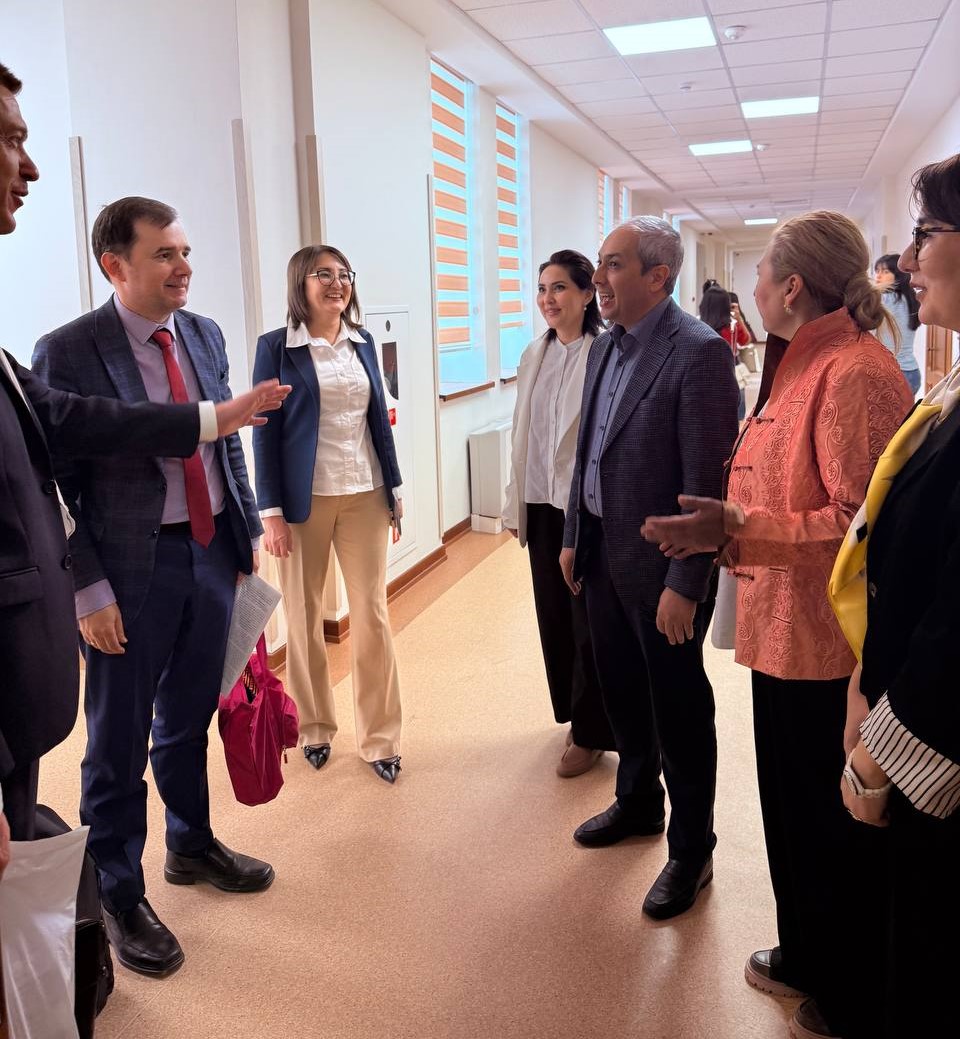
As part of the visit of the delegation from Shaanxi Normal University of the People’s Republic of China, issues of academic cooperation were discussed, and scientific meetings were organized with the participation of the delegation members. In particular, Professor Guo Xianghong delivered a lecture entitled “Chinese History: the Wisdom of Harmony and Unity and the Civilization of the Silk Road.” Students, graduate students, and researchers specializing in Chinese history actively participated in the event.
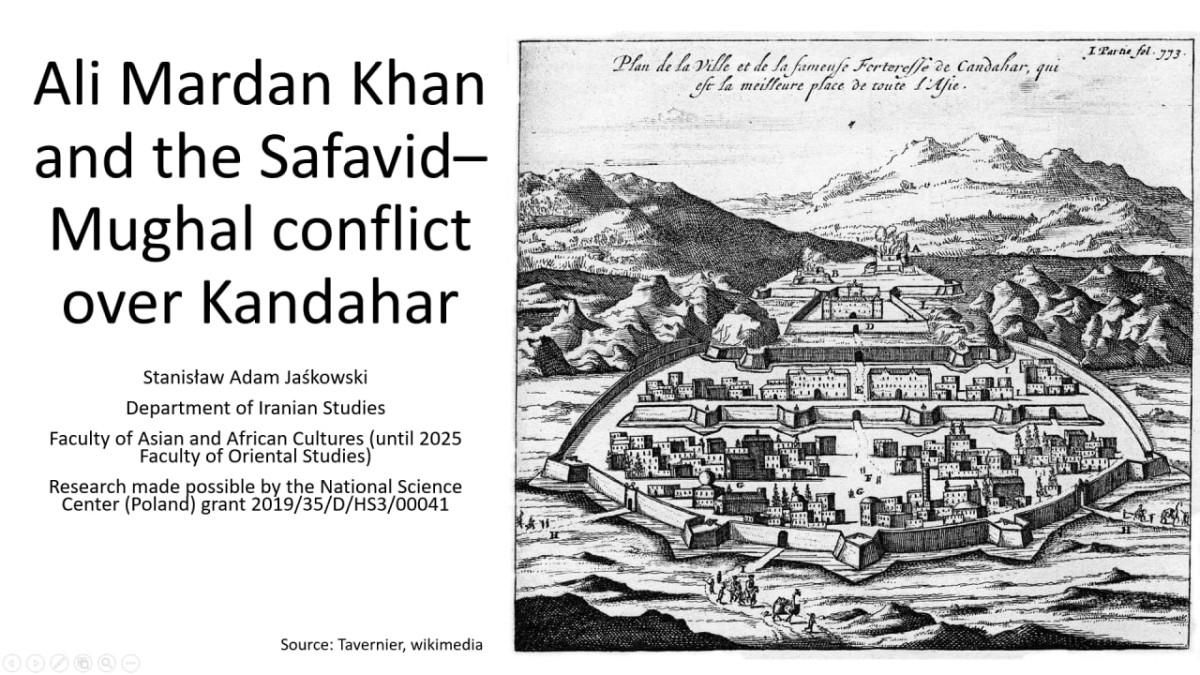
On the same day, an international scientific-theoretical seminar was organized in cooperation with the University of Warsaw (Poland). Within the framework of the seminar, PhD Stanislav Adam Jaskowski presented a lecture titled “Ali Mardan Khan and the Safavid–Mughal Conflict over Kandahar.” The seminar focused on analyzing historical processes through modern scientific approaches and attracted significant interest from both students and faculty members.
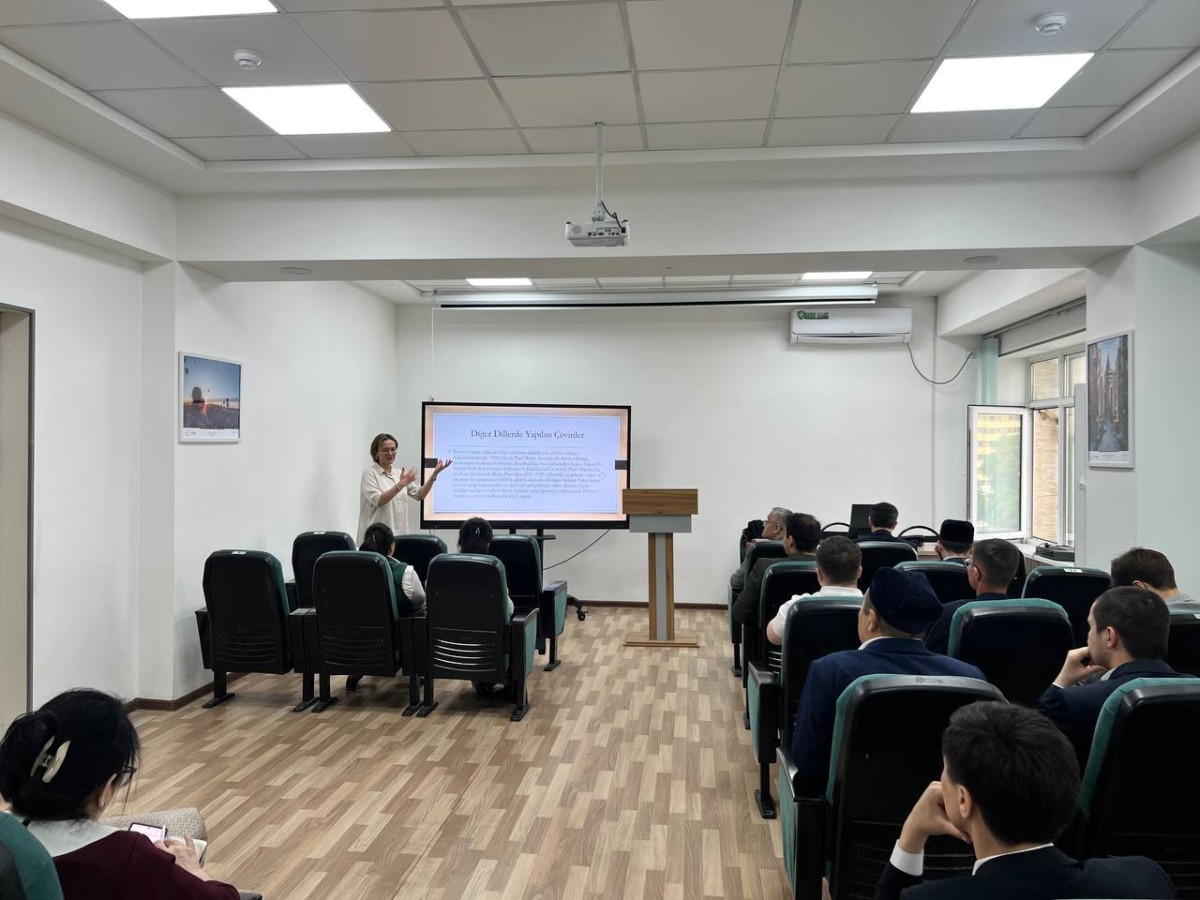
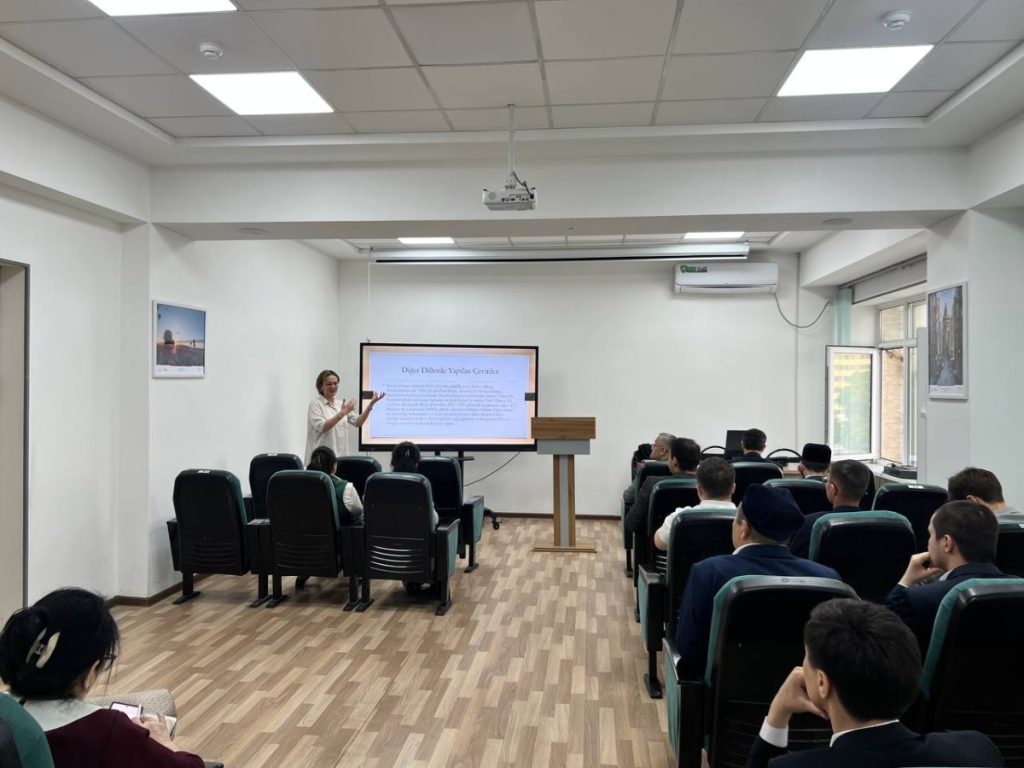
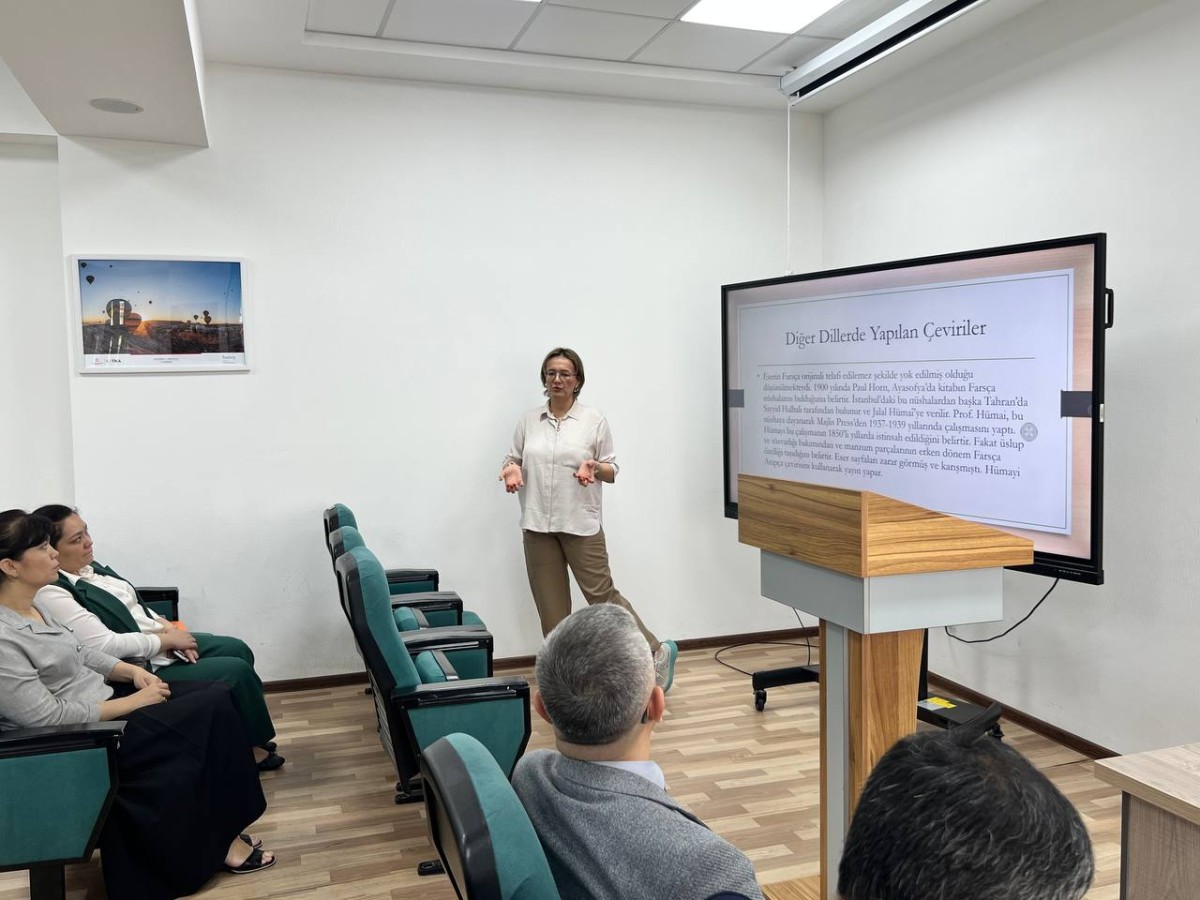
Additionally, PhD Mamura Mamatkulova Özkan, a lecturer from Istanbul University (Turkey), delivered a lecture on “A Hermeneutic Analysis of Imam Ghazali’s ‘Nasihat al-Muluk’ Written in Chagatai Turkic (from a Textual Studies Perspective).” This lecture was devoted to studying Eastern philosophical heritage using modern hermeneutic approaches.
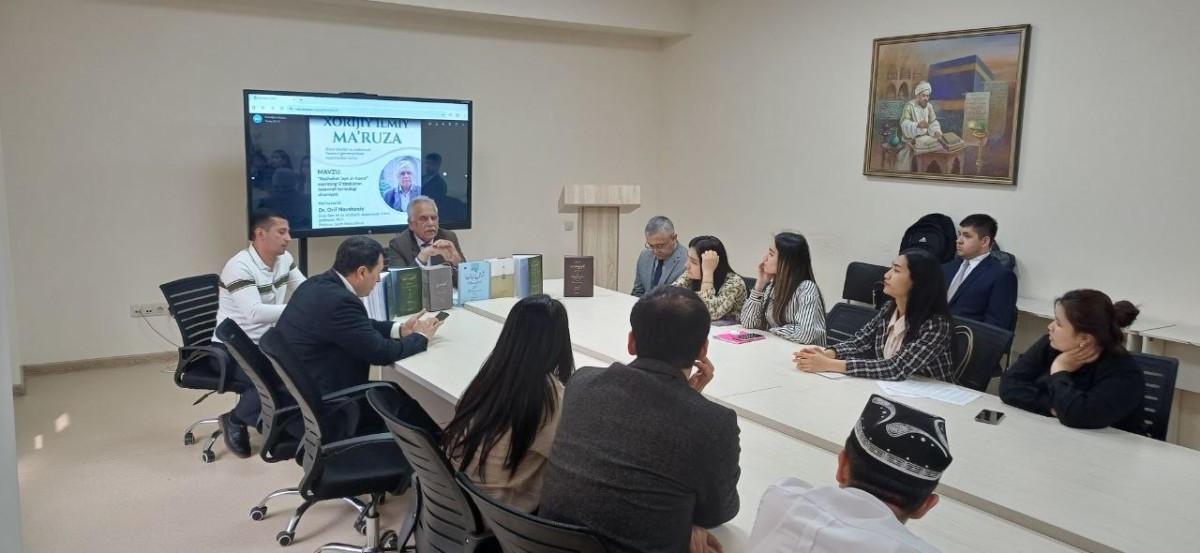
Furthermore, Iranian scholar Professor Dr. Orif Navshahi presented a lecture titled “The Significance of ‘Rashahat Ayn al-Hayat’ in the History of Sufism in Uzbekistan.” The lecture focused on the scientific analysis of Sufi sources and their historical importance.
On April 21, A.A. Rodionov, Professor of the Department of Chinese Philology at Saint Petersburg State University, delivered a scientific lecture for students, masters, and doctoral students of the Higher School of Chinese Studies at Tashkent State University of Oriental Studies on the topic “Liu Zhen’yun — A Brilliant Representative of Modern Chinese Literature.”
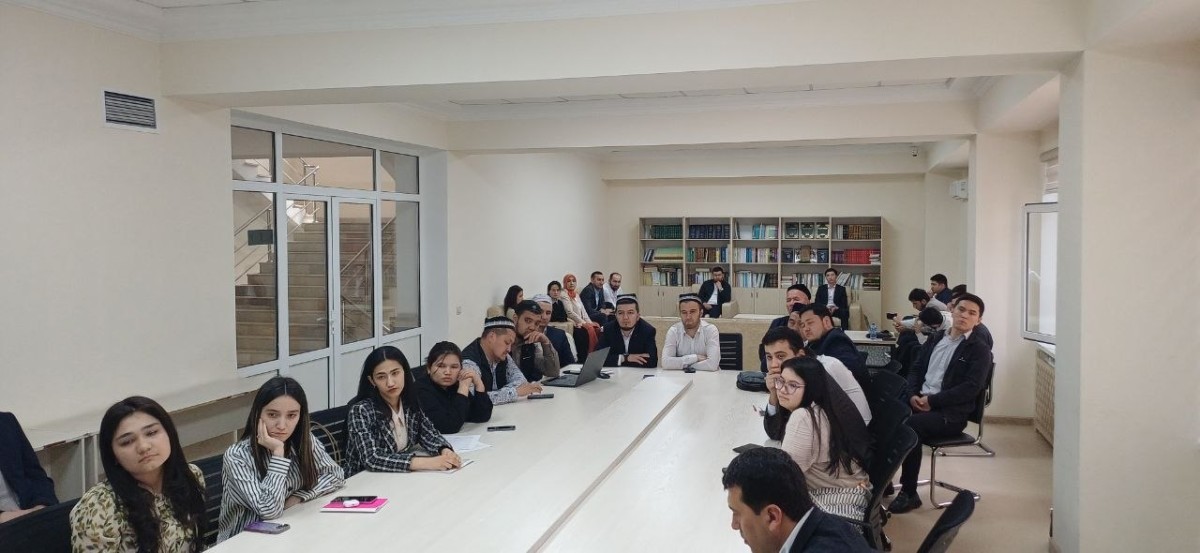
As a result of these events, the integration of students and young researchers into the international academic environment was strengthened, and their opportunities to acquire knowledge and skills based on modern scientific approaches were expanded. At the same time, the university’s international academic cooperation ties were further reinforced, and the quality of education and research activities reached a new level.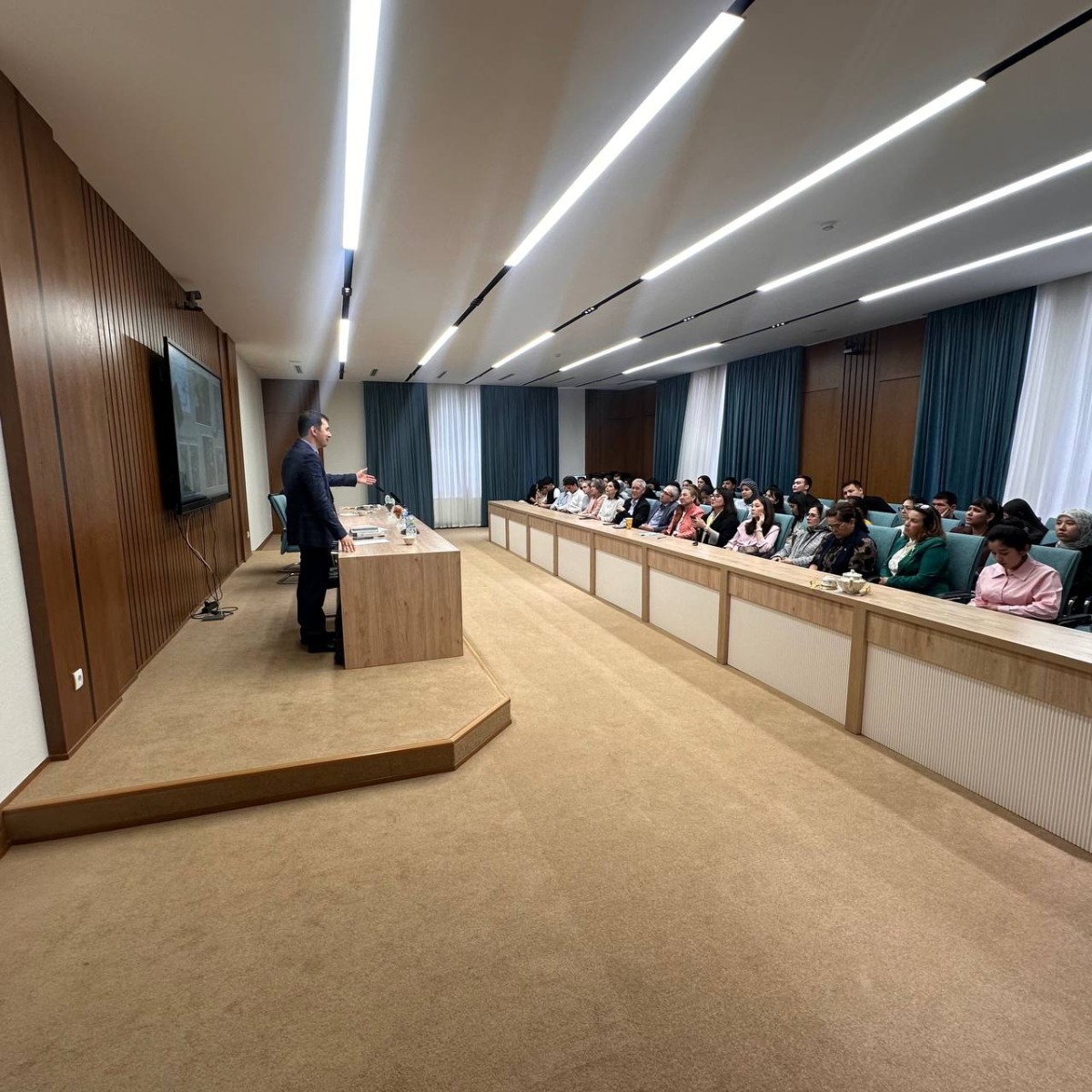
Social networks:
